10 Best Yamaha Studio Monitors Of 2026
Yamaha Studio Monitors — Reviews, Recommendations & Updated Buying Guide November 2026


Yamaha HS4 Studio Monitors
Why We Love It


Yamaha HS4 Powered Studio Monitor in White
Why We Love It

Yamaha Reference Studio Monitor Speakers for Producers
Why We Love It

YAMAHA Hs5 Powered Studio Monitor
Why We Love It
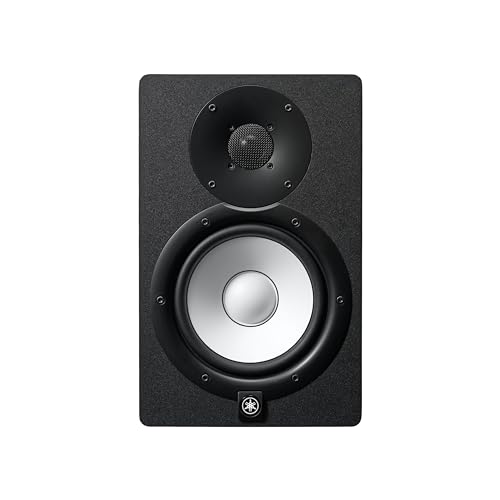
Yamaha HS 7 - Reference Studio Monitor Speaker for Producers
Why We Love It

Yamaha HS3W Powered Studio Monitor Speaker Pair Compact
Why We Love It
Yamaha Active Monitor Speaker HS3 Black
Why We Love It

Yamaha Powered Monitor Speaker Hs5I
Why We Love It

Yamaha HS3 Powered Studio Monitor in White
Why We Love It
Yamaha HS5 Pair 2-Way bass-Reflex bi-Amplified nearfield
Why We Love It
Quick Pick
10 Best Yamaha Studio Monitors Of 2026
Quick Pick
Yamaha HS4 Studio Monitors, Black
Yamaha HS4 Powered Studio Monitor in White, Pair (HS4 W)
Yamaha Reference Studio Monitor Speakers for Producers, DJs and Musicians
YAMAHA Hs5 Powered Studio Monitor, Pair
Yamaha HS 7 - Reference Studio Monitor Speaker for Producers, DJs and Musicians - Black
Yamaha HS3W Powered Studio Monitor Speaker Pair Compact White
Yamaha Active Monitor Speaker HS3 Black
Yamaha Powered Monitor Speaker Hs5I
Yamaha HS3 Powered Studio Monitor in White, Pair (HS3 W)
Yamaha HS5 Pair 2-Way bass-Reflex bi-Amplified nearfield Studio Monitors
Buying Guide: Yamaha Studio Monitors
📋 Table of Contents
1What frequency response range should I look for in studio monitors?
Aim for 40-20,000Hz for accurate bass and clear highs, especially for mixing and mastering. Wider ranges (like 20-40kHz) add detail but may not be necessary for casual use or small rooms.
2Do I need active or passive studio monitors?
Active monitors have built-in amps and are ideal for most users due to consistent sound and ease of setup. Passive models require external amps and are better for advanced setups with custom signal chains.
3How important is speaker size for my studio space?
Smaller 5-6.5” monitors suit home studios and nearfield use, while 8”+ models deliver fuller bass for larger rooms or tracking. Avoid oversized speakers in small spaces to prevent muddiness.
4What is the benefit of a dedicated subwoofer?
A subwoofer extends low-frequency response for accurate bass monitoring, especially in small rooms. It’s ideal for mixing low-end-heavy genres but adds cost and complexity to your setup.
5Are acoustic treatments necessary for studio monitors to work well?
Yes — even the best monitors sound off in untreated rooms. Use bass traps, diffusers, and absorption panels to control reflections and ensure your mixes translate well to other playback systems.
How we choose
Our editors are people who genuinely love testing and writing about products. We compare each product's real-world usability and strengths, then distill what matters most into our own "Why We Love It" points — so you get an honest, at-a-glance sense of what counts before you buy.