10 Best Xlr Speakers Of 2026
Xlr Speakers — Reviews, Recommendations & Updated Buying Guide November 2026


M-AUDIO BX5 Single 5-inch Studio Monitor Speaker for Music
Why We Love It


PreSonus Eris 3.5 Gen 2
Why We Love It

Behringer PK110A Active 320 Watt 10" PA Speaker System with
Why We Love It

M-AUDIO BX3 3.5" Wired Studio Monitors Pair
Why We Love It

UGREEN XLR Cable Male to Female Microphone Extension Cable
Why We Love It

Herdio 6.5 Inches Outdoor Speakers Waterproof Wired 400 Watt
Why We Love It
UGREEN XLR Cable Male to Female Microphone Extension Cable
Why We Love It

Yamaha Powered Speaker DBR12
Why We Love It
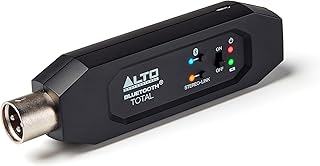
ALTO BTTOTALMK2 Bluetooth Receiver with XLR
Why We Love It

UGREEN XLR Cable, XLR Speaker Cable
Why We Love It
Quick Pick
10 Best Xlr Speakers Of 2026
Quick Pick
M-AUDIO BX5 Single 5-inch Studio Monitor Speaker for Music Production and Mixing with Acoustic Space Control, 2 Way Active Speaker
PreSonus Eris 3.5 Gen 2, Studio Monitor Pair, 3.5 Inch, 2-Way, Powered Desktop Speakers for Multimedia, Gaming, Studio-Quality Music Production, 50W Power | Near-field studio monitors, home recording, gaming, multimedia, 3.5-inch woofers, balanced sound, beginner-friendly
Behringer PK110A Active 320 Watt 10" PA Speaker System with Integrated Media Player, Bluetooth* Receiver and Integrated Mixer
M-AUDIO BX3 3.5" Wired Studio Monitors Pair | Compact Wired Desktop Speakers for Recording, Mixing and Multimedia, Music Production Software Suite Included
UGREEN XLR Cable Male to Female Microphone Extension Cable for PA System 3M
Herdio 6.5 Inches Outdoor Speakers Waterproof Wired 400 Watt with Powerful Bass,Wall Mount Speakers for Patio Garage Covered Deck (Pair,Black)
UGREEN XLR Cable Male to Female Microphone Extension Cable for PA System 2M
Yamaha Powered Speaker DBR12
ALTO BTTOTALMK2 Bluetooth Receiver with XLR | Rechargeable XLR Receiver for Mixing Desks, Audio Mixer Setups, and Active PA Systems
UGREEN XLR Cable, XLR Speaker Cable, 3-Pin Stereo Microphone Cable (5 m)
Buying Guide: Xlr Speakers
📋 Table of Contents
1What impedance range is best for XLR speakers in a live setting?
Look for 4-8 ohms for most live sound systems, as this range works well with standard mixing consoles and power amplifiers. Lower impedance (4 ohms) delivers more volume but requires a stronger amp, while 8 ohms is safer for general use and easier to match with most gear.
2Do I need active or passive XLR speakers for my setup?
Passive XLR speakers need an external power amp and are ideal for larger setups with dedicated sound equipment. Active XLR speakers have built-in amplifiers and are better for small venues or portability, as they simplify setup and reduce the need for extra gear.
3How does frequency response affect sound quality in XLR speakers?
A wider frequency range, like 40Hz–20kHz, ensures clear bass and crisp highs, making the sound more balanced. For vocal-heavy use, look for a flatter response around 200–5kHz for clarity, while music setups benefit from extended low-end for richer tones.
4What’s the difference between cardioid and omnidirectional XLR speaker patterns?
Cardioid speakers project sound mainly forward, reducing feedback and off-axis noise, which is great for live vocals or tight monitoring. Omnidirectional models spread sound evenly in all directions, better for small spaces or ambient listening where coverage matters more than directionality.
5Are XLR speaker cables balanced or unbalanced, and why does it matter?
XLR cables are typically balanced, which cancels out interference over long distances, making them ideal for live sound and studio use. Unbalanced cables are more prone to noise and should be avoided for runs longer than 3 meters to maintain clean, distortion-free audio.
How we choose
Our editors are people who genuinely love testing and writing about products. We compare each product's real-world usability and strengths, then distill what matters most into our own "Why We Love It" points — so you get an honest, at-a-glance sense of what counts before you buy.