10 Best Xlr Ground Loop Isolators Of 2026
Xlr Ground Loop Isolators — Reviews, Recommendations & Updated Buying Guide November 2026


2 Packs Ground Loop Noise Isolator for Car Audio/Home Stereo
Why We Love It


BESIGN Ground Loop Noise Isolator for Car Audio/Home Stereo
Why We Love It
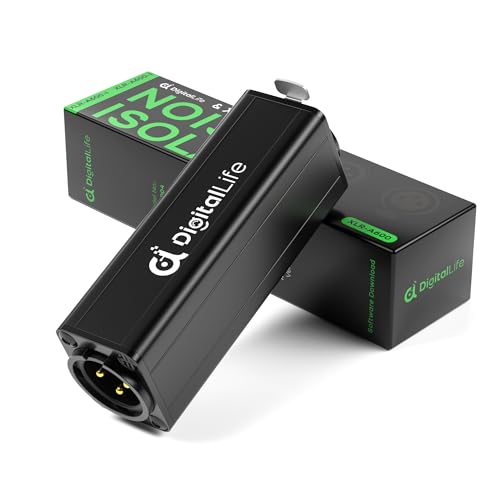
HumBlock XLR
Why We Love It

Ground Loop Noise Isolator for Car Audio/Home Audio System
Why We Love It

3.5mm Noise Isolator, Azonee Ground Loop Isolator
Why We Love It

HumBlock XLR
Why We Love It
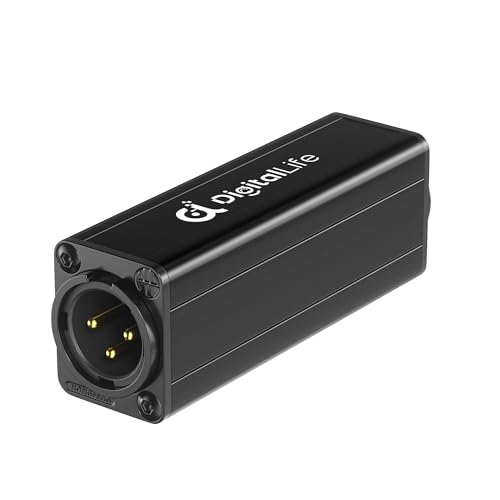
DigitalLife Single-Channel XLR Ground Loop Noise Isolator
Why We Love It

Geroosaty PRO XLR-3 Professional Stereo Ground Loop Isolator
Why We Love It

Ground Loop Hum Isolator Stereo Interface with Two XLR
Why We Love It

Earthquake Sound ISO-200 Hum and Buzz Kleaner 600 Ohm Ground
Why We Love It
Quick Pick
10 Best Xlr Ground Loop Isolators Of 2026
Quick Pick
2 Packs Ground Loop Noise Isolator for Car Audio/Home Stereo System, Eliminate Buzzing Noise, Eliminating Audio Noise Effectively, Portable and Easy to Use, Ground Loop Isolator with 3.5mm Audio Cable
BESIGN Ground Loop Noise Isolator for Car Audio/Home Stereo System with 3.5mm Audio Cable
HumBlock XLR, Single-Channel XLR Audio Ground Loop Noise Isolator
Ground Loop Noise Isolator for Car Audio/Home Audio System with 3.5mm Audio Cable, Current Sound Filter Anti-interference Filter, Eliminates Hum
3.5mm Noise Isolator, Azonee Ground Loop Isolator, Automotive Amplifier Noise Filter, Hum Eliminator for Car Stereos and Home Audio Systems
HumBlock XLR, Single-Channel XLR Audio Ground Loop Noise Isolator
DigitalLife Single-Channel XLR Ground Loop Noise Isolator – Hum Reduction – Passive, Model XLR-A600-I, M/F (Not Compatible with P24/P48 Phantom-Powered Microphones)
Geroosaty PRO XLR-3 Professional Stereo Ground Loop Isolator 3.5 6.35 XLR Audio Noise Filter Noise Suppressor Isolator for PC
Ground Loop Hum Isolator Stereo Interface with Two XLR
Earthquake Sound ISO-200 Hum and Buzz Kleaner 600 Ohm Ground Loop Isolator with RCA to XLR Signal Conversion
Buying Guide: Xlr Ground Loop Isolators
📋 Table of Contents
1What frequency range should I look for in an XLR ground loop isolator?
Aim for isolators that handle 20Hz to 200kHz to cover most audio and low-level signal applications. This range ensures compatibility with microphones, mixers, and other pro audio gear without signal loss or distortion.
2Does the type of isolation matter for my setup?
Yes — transformers are the most common and effective for true isolation, while opto-isolators are better for high-impedance or digital signals. Transformer-based models are preferred in analog audio setups for their low noise and high fidelity.
3How many channels do I need for my system?
Single-channel isolators work for most basic setups, but if you're running multiple microphones or instruments, a 2- or 4-channel model can save space and cost. Match the number to your simultaneous signal sources for clean, isolated performance.
4What are the key signs of a good build quality?
Look for metal enclosures, gold-plated XLR connectors, and shielded cables to reduce interference. A sturdy build with proper grounding and isolation ensures long-term reliability and minimal noise in professional or home studio environments.
5Can I use a ground loop isolator with digital audio equipment?
Yes, but check if the isolator is designed for digital signals. Some models are optimized for analog audio only, while others handle AES/EBU or S/PDIF. Using the wrong type may introduce latency or signal degradation in digital setups.
How we choose
Our editors are people who genuinely love testing and writing about products. We compare each product's real-world usability and strengths, then distill what matters most into our own "Why We Love It" points — so you get an honest, at-a-glance sense of what counts before you buy.