10 Best Xlr Condenser Microphones For Podcasting Of 2026
Xlr Condenser Microphones For Podcasting — Reviews, Recommendations & Updated Buying Guide November 2026


RØDE NT1 Signature Series Large-Diaphragm Condenser
Why We Love It


RØDE NT1 5th Generation Large-diaphragm Studio Condenser
Why We Love It
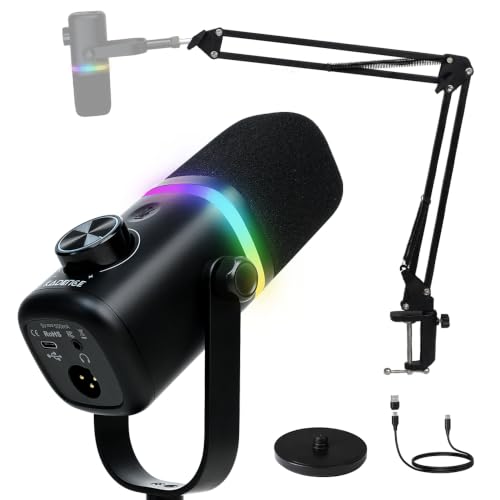
Kadence K777 Home Series Type-C Condenser Mic with Boom Arm
Why We Love It

Behringer C-3 Studio Condenser Microphones
Why We Love It

Marantz Professional MPM-1000
Why We Love It

RØDE NT1 Signature Series Large-diaphragm Condenser
Why We Love It

RØDE NT1 Signature Series Large-diaphragm Condenser
Why We Love It

RØDE PodMic Versatile Dynamic Broadcast Microphone with XLR
Why We Love It

Shure MV7+ Podcast Microphone
Why We Love It

Blue Ember XLR Condenser Microphone for Recording
Why We Love It
Quick Pick
10 Best Xlr Condenser Microphones For Podcasting Of 2026
Quick Pick
RØDE NT1 Signature Series Large-Diaphragm Condenser Microphone, Shock Mount, Pop Filter, XLR Cable, for Music Production, Vocal Recording, Streaming & Podcasting | Shock Mount, Pop Filter and XLR Cable for Music Production, Vocal Recording, Streaming and Podcasting (Black)
RØDE NT1 5th Generation Large-diaphragm Studio Condenser Microphone with XLR and USB Outputs, Shock Mount and Pop Filter for Music Production, Vocal Recording and Podcasting (Black)
Kadence K777 Home Series Type-C Condenser Mic with Boom Arm Stand | Cardioid Microphone with Volume Control & RGB Light | Desktop Stand & Boom Arm Clamp Included | Plug & Play | Black
Behringer C-3 Studio Condenser Microphones, XLR
Marantz Professional MPM-1000 - Studio Recording XLR Condenser Microphone with Desktop Stand and Cable – for Podcast and Streaming Projects, Black
RØDE NT1 Signature Series Large-diaphragm Condenser Microphone with Shock Mount, Pop Filter and XLR Cable for Music Production, Vocal Recording, Streaming and Podcasting (Cobalt)
RØDE NT1 Signature Series Large-diaphragm Condenser Microphone with Shock Mount, Pop Filter and XLR Cable for Music Production, Vocal Recording, Streaming and Podcasting (Purple)
RØDE PodMic Versatile Dynamic Broadcast Microphone with XLR and USB Connectivity for Podcasting, Streaming, Gaming, Music and Content Creation
Shure MV7+ Podcast Microphone, Enhanced Audio, LED Touch Panel, USB-C & XLR Outputs, Auto Level Mode, Digital Pop Filter, Reverb Effects, Podcasting, Streaming, Recording - White
Blue Ember XLR Condenser Microphone for Recording, Podcasting, Streaming, Custom Cardioid Capsule and Mic Stand Mount - Grey
Buying Guide: Xlr Condenser Microphones For Podcasting
📋 Table of Contents
1What polar pattern is best for podcasting?
A cardioid pattern is ideal for podcasting as it captures sound primarily from the front, reducing background noise and off-axis interference. This helps keep your voice clear and focused, especially in untreated rooms.
2How important is a built-in pop filter?
A built-in pop filter is highly beneficial as it reduces plosive sounds like 'p' and 'b' without needing extra accessories. While not all mics include one, an external foam or metal pop filter can be just as effective if added separately.
3What preamp or interface do I need with an XLR mic?
XLR condenser mics require a preamp or audio interface to boost the signal and power the mic via phantom power (48V). Look for an interface with at least one XLR input and a clean, flat frequency response to preserve your voice's natural tone.
4What frequency response range should I look for?
A frequency response of 20Hz–20kHz is standard, but for podcasting, a range of 80Hz–16kHz with a slight boost in the 2–5kHz range enhances vocal clarity and presence. Avoid mics with overly wide or rolled-off responses that muddy your voice.
5Are USB or XLR-only mics better for long-term use?
XLR mics offer superior sound quality and flexibility with professional gear, while USB mics are more convenient for beginners. If you plan to upgrade your setup later, an XLR mic paired with an interface is a better long-term investment.
How we choose
Our editors are people who genuinely love testing and writing about products. We compare each product's real-world usability and strengths, then distill what matters most into our own "Why We Love It" points — so you get an honest, at-a-glance sense of what counts before you buy.