10 Best Xlr Cables For Recording Of 2026
Xlr Cables For Recording — Reviews, Recommendations & Updated Buying Guide November 2026


UGREEN XLR Cable Male to Female Microphone Extension Cable
Why We Love It


Stagg 10m/33ft XLR to XLR Microphone Cable
Why We Love It
UGREEN XLR Cable Male to Female Microphone Extension Cable
Why We Love It

GearIT XLR to XLR Microphone Cable (6 Feet
Why We Love It
UGREEN XLR Cable Male to Female Microphone Extension Cable
Why We Love It
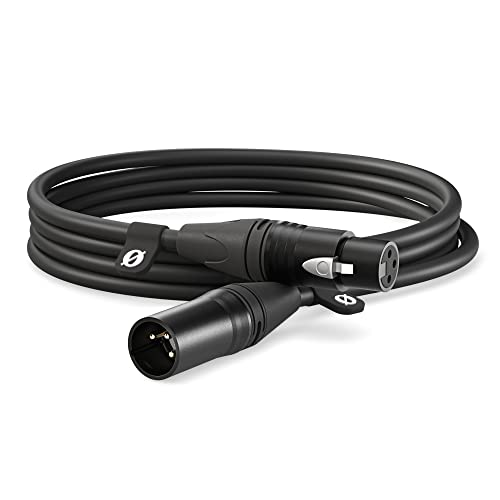
RØDE XLR-3 Premium XLR Cable (3m
Why We Love It

FIFINE L9 9.8ft XLR Microphone Audio Cable for Podcast
Why We Love It

MOSWAG XLR to XLR Cable
Why We Love It

XLR Microphone Cables
Why We Love It

MOSWAG XLR Cable
Why We Love It
Quick Pick
10 Best Xlr Cables For Recording Of 2026
Quick Pick
UGREEN XLR Cable Male to Female Microphone Extension Cable for PA System 3M
Stagg 10m/33ft XLR to XLR Microphone Cable - Red
UGREEN XLR Cable Male to Female Microphone Extension Cable for PA System 2M
GearIT XLR to XLR Microphone Cable (6 Feet, 6 Pack) XLR Male to Female Mic Cable 3-Pin Balanced Shielded XLR Cable for Mic Mixer, Recording Studio, Podcast - Multi Colored, 6Ft, 6 Pack
UGREEN XLR Cable Male to Female Microphone Extension Cable for PA System 1M
RØDE XLR-3 Premium XLR Cable (3m, Black)
FIFINE L9 9.8ft XLR Microphone Audio Cable for Podcast Recording
MOSWAG XLR to XLR Cable, XLR male to XLR female Cable, Mic Cord, XLR Speaker cable Compatible with Microphone, Mic Mixer, Recording Studio, Behringer, Speaker Systems
XLR Microphone Cables, 1 Pack 3 Feet Oxygen-Free Copper 3-Pin Male to Female Microphone Cable for Speaker, PA System, Podcast Audio Mixer, Studio Monitors, Audio Recording and More
MOSWAG XLR Cable, XLR Cable Male to Female Balanced 3 Pin Microphone Cable for Speaker Wire, DJ Equipment, Audio Sound Consoles,Recording Studio,Recording Microphones
Buying Guide: Xlr Cables For Recording
📋 Table of Contents
1What length should I choose for my XLR cable?
For studio setups, 3-5 meters is common for connecting microphones to mixers or interfaces. Shorter cables (1-2 meters) reduce signal loss and are ideal for tight spaces, while longer cables (10+ meters) suit live performances or large rooms but may introduce noise if not shielded well.
2Does the type of connector matter for recording quality?
Yes — look for XLR cables with gold-plated connectors to prevent corrosion and ensure a stable, noise-free connection. Neutrik or Switchcraft connectors are durable and reliable, while cheaper plastic connectors may degrade over time and affect signal integrity.
3What’s the difference between balanced and unbalanced XLR cables?
Balanced XLR cables use three conductors to cancel out interference, making them ideal for long runs and professional recording. Unbalanced cables (often with 2 pins) are less common in XLR form and more prone to noise, so stick to balanced for studio or live sound use.
4How does cable thickness affect performance?
Thicker cables (20-22 AWG) carry stronger signals with less resistance, making them better for long distances or high-impedance mics. Thinner cables (24 AWG) are more flexible and easier to manage but may lose signal strength over longer runs, so match thickness to your setup needs.
5Are shielded cables worth the extra cost?
Absolutely — high-quality XLR cables with braided or foil shielding block electromagnetic interference, especially in environments with lighting, computers, or other electronics. Poor shielding can cause hums or buzzes, so prioritize cables with at least 85% braid coverage for clean recordings.
How we choose
Our editors are people who genuinely love testing and writing about products. We compare each product's real-world usability and strengths, then distill what matters most into our own "Why We Love It" points — so you get an honest, at-a-glance sense of what counts before you buy.