10 Best Wireless Smoke Detectors Of 2026
Wireless Smoke Detectors — Reviews, Recommendations & Updated Buying Guide November 2026


X-Sense Smart Smoke Detector XS01-M with SBS50 Base Station
Why We Love It


X-Sense WiFi Smoke Detector
Why We Love It

X-Sense Wi-Fi Smoke Alarm
Why We Love It

X-Sense Smart Wi-Fi Smoke Detector Fire Alarm with 10-Year
Why We Love It
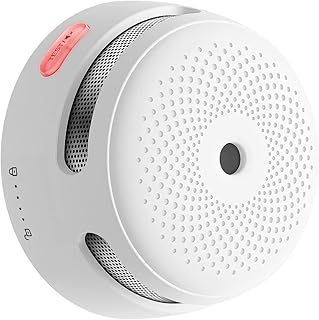
X-Sense Smart Smoke Detector XS01-M without SBS50 Base
Why We Love It

X-Sense Smoke Detector with WiFi
Why We Love It

Bosch Smart Home smoke detector II
Why We Love It

ELRO FS1801, 10-Piece Smoke Detector Set
Why We Love It

X-Sense Wireless Interconnected Smoke Alarm Detector with
Why We Love It
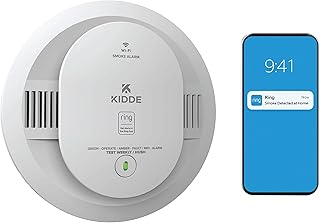
Kidde Smart Smoke Detector with Ring
Why We Love It
Quick Pick
10 Best Wireless Smoke Detectors Of 2026
Quick Pick
X-Sense Smart Smoke Detector XS01-M with SBS50 Base Station, Certified according to EN 14604, Wireless Smoke Detector with WiFi, Networkable Fire Detector, Compatible with X-Sense Home Security App
X-Sense WiFi Smoke Detector, Home Security Kit with Base Station SBS50, Wireless Fire Alarm TÜV and EN14604 Certified, Compatible with X-Sense Home Security App, FS121 | EN 14604 certified; wireless connected; WiFi and app control via the X-Sense Home Security app
X-Sense Wi-Fi Smoke Alarm, Requires Base Station SBS50, XS01-M, 1-Pack | Compatible with the X-Sense Home Security App, Compliant with EN 14604 Standard
X-Sense Smart Wi-Fi Smoke Detector Fire Alarm with 10-Year Battery and SBS50 Base Station, TÜV Rheinland Certified, Photoelectric Connectable Wireless Fire Detector, SD19-MN61, 6 Pieces
X-Sense Smart Smoke Detector XS01-M without SBS50 Base Station, Certified according to EN 14604, Wireless Smoke Detector with WiFi, Networkable Fire Detector, Compatible with X-Sense Home Security App
X-Sense Smoke Detector with WiFi, Home Security Kit with SBS50 Base Station Compatible with X-Sense Home Security App, FS61 | Fire detector, base station SBS50 included, control via app. X-Sense
Bosch Smart Home smoke detector II, with app function, compatible with Apple HomeKit
ELRO FS1801 | 10-Piece Smoke Detector Set | 10-Year Sensor | Complies with European Standard EN14604 | White | Set of 10
X-Sense Wireless Interconnected Smoke Alarm Detector with Over 820 ft Transmission Range, Replaceable Battery-Operated Mini Fire Alarm, Conforms to EN 14604 Standard, XS01-WR, 6 Pack
Kidde Smart Smoke Detector with Ring, AA Battery, RGSDR-RW
Buying Guide: Wireless Smoke Detectors
📋 Table of Contents
1What battery life should I look for in a wireless smoke detector?
Opt for models with at least 5-10 years of battery life, as frequent replacements can be inconvenient. Some use long-life lithium batteries that last up to a decade, reducing maintenance and ensuring reliable operation over time.
2How does wireless connectivity affect performance?
Wireless detectors typically use radio frequency (RF) or Wi-Fi to alert your smartphone or home system. RF is more reliable for short-range alerts, while Wi-Fi allows remote monitoring but may require a stable internet connection for full functionality.
3What is the difference between photoelectric and ionization smoke detectors?
Photoelectric detectors are better at sensing smoldering fires and are less prone to false alarms from steam or cooking smoke. Ionization detectors are more responsive to flaming fires but may be more sensitive to airborne particles, leading to more false triggers.
4How many detectors do I need for my home?
Install one in each bedroom, on every level of your home, and near cooking areas. For larger homes, place detectors 15-20 feet apart in hallways and common areas to ensure full coverage and early warning in case of a fire.
5Are there any common mistakes to avoid when installing wireless smoke detectors?
Avoid placing detectors near vents, fans, or high-traffic areas where airflow might interfere with their sensors. Also, ensure they are mounted on the ceiling or high on walls, as smoke rises and early detection is critical for safety.
How we choose
Our editors are people who genuinely love testing and writing about products. We compare each product's real-world usability and strengths, then distill what matters most into our own "Why We Love It" points — so you get an honest, at-a-glance sense of what counts before you buy.