10 Best Weather Radio Scanner Of 2026
Weather Radio Scanner — Reviews, Recommendations & Updated Buying Guide November 2026

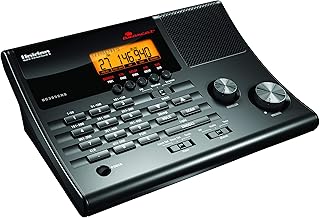
UNIDEN UNNBC365CRS, 500-Channel Scanner with Weather Alert
Why We Love It


TFA Dostmann Xena Wireless Weather Station
Why We Love It

Ambient Weather WS-3000-X3 Thermo-Hygrometer Wireless
Why We Love It

Weather Station Outdoor Indoor
Why We Love It

AcuRite 00634A3 Wireless Weather Station with Wind Sensor
Why We Love It

TFA Dostmann Modern Wireless Weather Station
Why We Love It

Ambient Weather WS-3000-X8 Thermo-Hygrometer Wireless
Why We Love It

KASTWAVE Weather Station Wireless Indoor Outdoor Thermometer
Why We Love It

Midland - WR120B/WR120EZ
Why We Love It

Tram 1411 Scanner 25MHz–1
Why We Love It
Quick Pick
10 Best Weather Radio Scanner Of 2026
Quick Pick
UNIDEN UNNBC365CRS, 500-Channel Scanner with Weather Alert
TFA Dostmann Xena Wireless Weather Station, 35.1162.54, with Outdoor Sensor, Measure Indoor and Outdoor Temperature, with Weather Forecast, Includes Radio-Controlled Clock, Humidity, Battery Operated
Ambient Weather WS-3000-X3 Thermo-Hygrometer Wireless Monitor w/ 3 Remote Sensors - Logging, Graphing, Alarming, Radio Controlled Clock
Weather Station Outdoor Indoor, WiFi Weather Stations Wireless Stations with Sensor Thermometer Hygrometer with Alarm Clock, Digital Weather Stations with Forecast/Date Time/Moon Phase/Comfort
AcuRite 00634A3 Wireless Weather Station with Wind Sensor, Black
TFA Dostmann Modern Wireless Weather Station, 35.1162.10, Indoor and Outdoor Climate, with Transmitter, Weather Forecast, Includes Radio-Controlled Clock, Temperature/Humidity, Grey
Ambient Weather WS-3000-X8 Thermo-Hygrometer Wireless Monitor w/ 8 Remote Sensors - Logging, Graphing, Alarming, Radio Controlled Clock
KASTWAVE Weather Station Wireless Indoor Outdoor Thermometer, Color Display Digital Weather Thermometer with Atomic Clock, Barometric Pressure, Forecast Station with Adjustable Backlight
Midland - WR120B/WR120EZ - NOAA Emergency Weather Alert Radio - S.A.M.E. Localized Programming, Trilingual Display, 60+ Emergency Alerts, & Alarm Clock (WR120B - Box Packaging)
Tram 1411 Scanner 25MHz–1,300MHz VHF/UHF Super Discone Base Antenna Plus CB Transmit Bands, 33.75in. x 4.75in. x 2.20in.
Buying Guide: Weather Radio Scanner
📋 Table of Contents
1What frequency range should I look for in a weather radio scanner?
Opt for models that cover the full NOAA Weather Radio (NWR) spectrum, typically 162.400–162.550 MHz, and include additional bands like AM/FM for broader coverage. Some scanners also support shortwave or aviation bands, which can be useful for monitoring distant or specialized broadcasts.
2How many NOAA channels should a good weather radio scanner support?
A quality scanner should support all seven NOAA Weather Radio channels (1–7), each dedicated to a specific region. Some advanced models also include backup channels or allow for custom programming, which is helpful in areas with overlapping or weak signals.
3Is a digital display or voice alert more important for a weather radio scanner?
Voice alerts are critical for quickly identifying severe weather warnings, especially during sleep or in low-light conditions. However, a clear digital display is also useful for reading specific details like storm locations and times. Look for models that combine both features for maximum alert clarity.
4What battery life should I expect from a portable weather radio scanner?
Most portable models offer 8–12 hours of continuous use on a full charge, though this varies with features like LCD backlighting or voice alerts. For emergency preparedness, choose a model with a rechargeable battery and a backup power option like a USB port or AA batteries.
5Are there any common mistakes people make when buying a weather radio scanner?
Many buyers overlook the importance of signal strength and range, assuming all models perform equally. Look for scanners with a strong antenna and the ability to adjust sensitivity. Also, avoid models that only support a limited number of channels or lack a built-in alert system for severe weather events.
How we choose
Our editors are people who genuinely love testing and writing about products. We compare each product's real-world usability and strengths, then distill what matters most into our own "Why We Love It" points — so you get an honest, at-a-glance sense of what counts before you buy.