10 Best Usb Stereo Preamps Of 2026
Usb Stereo Preamps — Reviews, Recommendations & Updated Buying Guide November 2026


Waterproof Marine Digital Media Receiver
Why We Love It


Behringer STUDIO L High-End Studio Control and Communication
Why We Love It

Fosi Audio GR40 Tube Preamplifier with DAC
Why We Love It

Behringer X AIR XR12 Digital Mixer with 12 Inputs for
Why We Love It

MOSWAG USB to 3.5mm Jack Audio Adapter
Why We Love It

Fosi Audio MC331 Tube Integrated Amplifier with DAC
Why We Love It
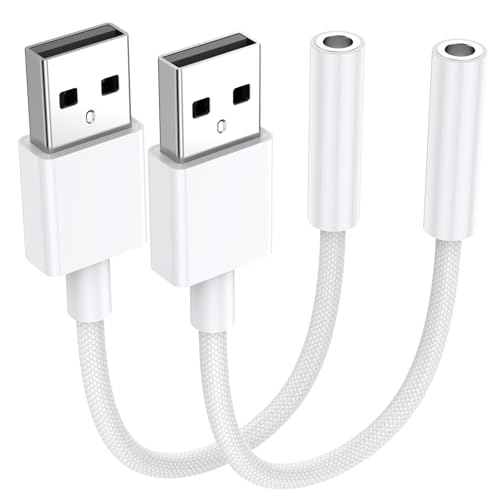
KAYQINHO 2 Pack USB to 3.5mm Audio Jack Adapter
Why We Love It

Fosi Audio ZD3 Desktop DAC Preamp
Why We Love It

Behringer U-Phoria Um2 Audiophile 2X2 Usb Audio Interface
Why We Love It

Jiawu Microphone Preamp, Microphone Preamp Booster
Why We Love It
Quick Pick
10 Best Usb Stereo Preamps Of 2026
Quick Pick
Waterproof Marine Digital Media Receiver - Bluetooth Marine Stereo with 2.8 Inch LCD Display - AUX USB Input AM FM Subwoofer Pre-Amp UTV Boat Radio for ATV RZR Golf Cart Spa Hot
Behringer STUDIO L High-End Studio Control and Communication Center with Mic Preamps, 2x2 USB Audio Interface, and Stereo VCA
Fosi Audio GR40 Tube Preamplifier with DAC, 3.5mm Bluetooth Headphone Amp
Behringer X AIR XR12 Digital Mixer with 12 Inputs for iPad/Android Tablets with 4 Programmable Midas Preamps, 8 Line Inputs, Integrated WiFi Module and USB Stereo Recorder
MOSWAG USB to 3.5mm Jack Audio Adapter, DAC USB External Sound Card | TRRS Nylon Braided Headphone Jack to USB Adapter, Aluminum USB to Aux Adapter for PC Laptop PS5 PS4 Switch MacBook Linux etc
Fosi Audio MC331 Tube Integrated Amplifier with DAC, 2 Channel Home Audio Stereo Power Amp for HiFi Bookshelf Speakers/3.5mm Headphones, Vintage VU Meter Preamp with Bluetooth and USB/Opt/Coax/RCA
KAYQINHO 2 Pack USB to 3.5mm Audio Jack Adapter, Audio Aux Cable External Stereo Sound Card, USB to 3.5mm TRRS Female Headset for PS5 PS4 Headphone PC Laptop Linux Desktops and More Device
Fosi Audio ZD3 Desktop DAC Preamp, Fully Balanced Digital to Analog Audio Converter with ES9039Q2M for Home Stereo Amplifier, Bluetooth/USB/Optical/Coax/TV HDMI ARC Input, XLR/RCA Output with Remote
Behringer U-Phoria Um2 Audiophile 2X2 Usb Audio Interface With Xenyx Mic Preamplifier
Jiawu Microphone Preamp, Microphone Preamp Booster, Independent 2 Channel, Audio Booster, Clean Gain Mic Preamplifier, Stereo Sound Amplifier for Recording, Stage, Podcasts, Broadcast
Buying Guide: Usb Stereo Preamps
📋 Table of Contents
1What input impedance should I look for in a USB stereo preamp?
Aim for an input impedance of 10kΩ to 20kΩ for most dynamic or condenser microphones. Higher impedance (50kΩ or more) is better for passive instruments like electric guitars, ensuring a clean, undistorted signal without loading the source.
2Does a preamp with phantom power matter for my setup?
Yes — if you use condenser microphones, look for a preamp with 48V phantom power. Dynamic mics and passive instruments don’t need it, but including it future-proofs your gear for a wider range of recording scenarios.
3How many channels do I actually need for a USB stereo preamp?
Two channels are ideal for stereo recording (e.g., two mics or a mic and line input), while a single channel is enough for solo vocal or instrument tracking. More channels add cost and complexity, so match it to your typical workflow.
4What’s the difference between a preamp with a built-in mixer and one without?
A built-in mixer lets you blend multiple inputs (like a mic and instrument) in real time before sending to your computer. If you prefer to mix in your DAW, a simple preamp with line outputs is sufficient and more affordable.
5Are USB 2.0 or USB 3.0 connections important for performance?
USB 2.0 is standard and works well for most stereo preamps, offering enough bandwidth for high-quality audio. USB 3.0 is faster but rarely necessary unless you plan to use the preamp with high-resolution audio or multiple devices simultaneously.
How we choose
Our editors are people who genuinely love testing and writing about products. We compare each product's real-world usability and strengths, then distill what matters most into our own "Why We Love It" points — so you get an honest, at-a-glance sense of what counts before you buy.