10 Best Usb Dynamic Microphones For Podcasting Of 2026
Usb Dynamic Microphones For Podcasting — Reviews, Recommendations & Updated Buying Guide November 2026


RØDE PodMic Versatile Dynamic Broadcast Microphone with XLR
Why We Love It

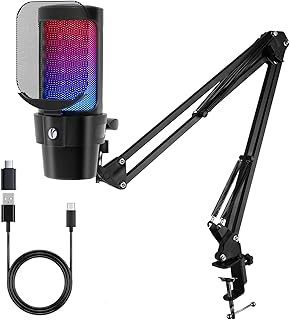
VCOM Gaming USB Microphone
Why We Love It

Samson Q2U Handheld Dynamic USB Microphone Recording and
Why We Love It

FIFINE K688 Podcast Microphone Kit
Why We Love It

FIFINE AmpliGame A6T Gaming PC USB Microphone Kit for
Why We Love It

FIFINE Studio XLR Dynamic Microphone
Why We Love It

FIFINE AmpliTank K688 Dynamic Microphone
Why We Love It

Rode NT-USB Mini Versatile Studio-Quality Condenser
Why We Love It

Shure MV6 Gaming Microphone
Why We Love It
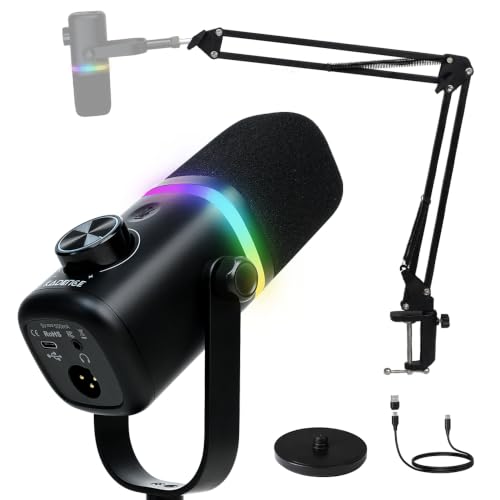
Kadence K777 Home Series Type-C Condenser Mic with Boom Arm
Why We Love It
Quick Pick
10 Best Usb Dynamic Microphones For Podcasting Of 2026
Quick Pick
RØDE PodMic Versatile Dynamic Broadcast Microphone with XLR and USB Connectivity for Podcasting, Streaming, Gaming, Music and Content Creation
VCOM Gaming USB Microphone,Condenser Dynamic Boom Arm Mic for Podcasting,Streaming, with Boom Arm Stand,Quick Mute,Pop Filter,RGB Indicator,Shock Mount,Rotate gain Button, Compatible with PS4/5/PC
Samson Q2U Handheld Dynamic USB Microphone Recording and Podcasting Pack
FIFINE K688 Podcast Microphone Kit, USB/XLR Dynamic Microphone with Boom Arm for PC/XLR Mixer, Gaming Mic with Mute Button, Headphone Jack for Vocal, Voice-Over, Streaming, Music Recording -K688CT
FIFINE AmpliGame A6T Gaming PC USB Microphone Kit for Streaming,Podcasting | Condenser Mic with Boom Arm, Pop Filter, Mute Button for Twitch, Online Chat, RGB Computer Mic for PS4/5 PC Gamer Youtuber
FIFINE Studio XLR Dynamic Microphone, USB PC Podcast Microphone for Streaming Recording, XLR/USB Vocal Mic with Tap-to-Mute, Gain Knob, Headphones Monitoring-Amplitank K688 White
FIFINE AmpliTank K688 Dynamic Microphone, XLR/USB Podcast Recording PC Mic | Streaming Studio Metal Mic with Mute, Headphone Jack, Monitoring Volume Control, Windscreen, for Vocal Voice-Over Gaming
Rode NT-USB Mini Versatile Studio-Quality Condenser Microphone with Free Software for Podcasting, Streaming, Gaming, Music Production, Vocal and Instrument Recording
Shure MV6 Gaming Microphone, Dynamic USB PC Mic for Gaming & Streaming, Desktop Stand, Background Noise Cancellation, Tap-to-Mute & 3.5mm Output for Real-Time Headphone Monitoring | XLR Studio Dynamic Mic for Broadcast, Podcast, Recording, Gaming & Streaming; Smooth Warm Vocals, Rugged Build
Kadence K777 Home Series Type-C Condenser Mic with Boom Arm Stand | Cardioid Microphone with Volume Control & RGB Light | Desktop Stand & Boom Arm Clamp Included | Plug & Play | Black
Buying Guide: Usb Dynamic Microphones For Podcasting
📋 Table of Contents
1What frequency response range is best for clear podcasting?
Look for a range of 50-15,000Hz to capture natural speech and reduce muffled or tinny tones. A flatter response curve ensures accurate sound without artificial boosts in highs or lows.
2How important is polar pattern for home studio use?
A cardioid pattern is ideal for podcasting as it focuses on your voice and minimizes background noise. Avoid omnidirectional mics unless you're in a very quiet, acoustically treated space.
3What sample rate and bit depth should I prioritize?
A minimum of 44.1kHz sample rate and 16-bit depth is standard for most podcasting, but 48kHz and 24-bit offer higher fidelity for post-production flexibility and clearer audio in professional settings.
4Are pop filters or shock mounts worth buying separately?
A pop filter is essential to reduce plosive sounds like 'p' and 'b', while a shock mount minimizes vibrations and handling noise. Many USB mics don’t include them, so budget for these accessories if not bundled.
5Can I use a USB dynamic mic with both PC and Mac?
Most USB dynamic mics are plug-and-play and work with both Windows and macOS without drivers. Always check compatibility with your system and software to avoid setup issues later.
How we choose
Our editors are people who genuinely love testing and writing about products. We compare each product's real-world usability and strengths, then distill what matters most into our own "Why We Love It" points — so you get an honest, at-a-glance sense of what counts before you buy.