10 Best Usb-c Studio Microphones Of 2026
Usb-c Studio Microphones — Reviews, Recommendations & Updated Buying Guide November 2026


Rode NT-USB Mini Versatile Studio-Quality Condenser
Why We Love It


Sennheiser XS Lav USB-C Omnidirectional Clip-On Lavalier
Why We Love It

FIFINE USB Microphone for PC
Why We Love It

Hollyland Lark M2 Wireless Microphone for
Why We Love It

UGREEN USB Condenser Gaming Microphone for Streaming and
Why We Love It

FIFINE T669 Studio Condenser USB Microphone for Recording
Why We Love It

PreSonus Studio 2 Mic Pres
Why We Love It

Hollyland LARK A1 DUO Type-C Version Wireless Microphone for
Why We Love It
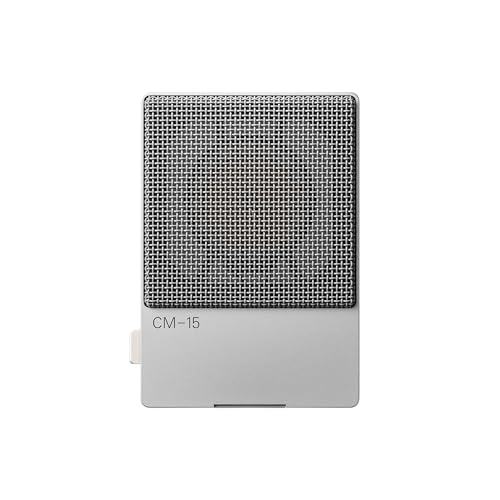
Teenage engineering CM-15 Portable Studio Condenser
Why We Love It

FIFINE AmpliTank K688 Dynamic Microphone
Why We Love It
Quick Pick
10 Best Usb-c Studio Microphones Of 2026
Quick Pick
Rode NT-USB Mini Versatile Studio-Quality Condenser Microphone with Free Software for Podcasting, Streaming, Gaming, Music Production, Vocal and Instrument Recording
Sennheiser XS Lav USB-C Omnidirectional Clip-On Lavalier Microphone | with USB-C Connector & 2M Cable | for Mobile Devices & Computers | Black (509261)
FIFINE USB Microphone for PC, Gaming for Streaming Podcast Studio, USBC for PS4 PS5 MAC with RGB Control, Mute Switch, Headphone Jack, Pop Filter
Hollyland Lark M2 Wireless Microphone for iPhone15/16/17&Android, USB C Mini Lapel Microphone Wireless, 1000ft Range, Hi-Fi Audio, Noise Cancellation, 30H Battery for Video Recording, Streaming
UGREEN USB Condenser Gaming Microphone for Streaming and Voice Chat | 24-bit/96kHz Audio, Quick Mute and Zero-Latency Monitoring; Includes Pop Filter, Shock Mount and 7 RGB Modes for PC and PS5
FIFINE T669 Studio Condenser USB Microphone for Recording Podcasting | Computer Microphone Kit for Voice Overs, Adjustable Boom Arm Stand, Shock Mount for Vocal, Instruments, Gaming, Streaming
PreSonus Studio 2 Mic Pres - Line Outs 24C
Hollyland LARK A1 DUO Type-C Version Wireless Microphone for iPhone 15/16 & Android, Pure Sound, 3-Level Intelligent Noise Cancellation, Magnetic Mini Microphone for Vlogging, YouTube, Podcast, TikTok | Detail Rich Audio Studio, 3 LV Noise Cancelling, Equalizer & Reverb, Mini Micro Tie for iPhone
teenage engineering CM-15 Portable Studio Condenser Microphone, Audio and Charging via USB-C, 3.5mm Mini Line Output, 48V Phantom Power (Mini XLR), 10H Working Time/Battery Charge, Gain Switch
FIFINE AmpliTank K688 Dynamic Microphone, XLR/USB Podcast Recording PC Mic | Streaming Studio Metal Mic with Mute, Headphone Jack, Monitoring Volume Control, Windscreen, for Vocal Voice-Over Gaming
Buying Guide: Usb-c Studio Microphones
📋 Table of Contents
1What sample rate and bit depth should I look for in a USB-C studio microphone?
Aim for at least 44.1kHz sample rate and 24-bit depth for professional-grade audio. Higher rates like 48kHz or 96kHz offer more detail, but ensure your recording software can handle them to avoid unnecessary file bloat.
2Does a USB-C connection offer real advantages over USB-A for studio use?
Yes — USB-C provides faster data transfer and more stable power delivery, which is especially useful for high-resolution audio. It also supports future-proofing as more devices adopt the standard, but ensure your interface or computer has a compatible port.
3What’s the difference between condenser and dynamic USB-C mics for studio work?
Condenser mics capture more detail and are ideal for vocals and acoustic instruments in quiet environments, while dynamic mics are more durable and better at handling loud sources like electric guitars or drums. Choose based on your typical recording setup and noise levels.
4How important is a built-in pop filter and shock mount in a USB-C mic?
A built-in pop filter reduces plosive sounds like 'p' and 'b' for cleaner vocals, while a shock mount minimizes handling noise. While you can add these separately, having them included saves time and space, especially for home studio setups.
5What should I consider when choosing between a cardioid and omnidirectional polar pattern?
Cardioid mics pick up sound mainly from the front, reducing background noise — perfect for focused recordings. Omnidirectional mics capture sound from all directions, which is better for ambient or group recordings but can pick up more room noise if not used carefully.
How we choose
Our editors are people who genuinely love testing and writing about products. We compare each product's real-world usability and strengths, then distill what matters most into our own "Why We Love It" points — so you get an honest, at-a-glance sense of what counts before you buy.