10 Best Usb-c Studio Audio Interfaces Of 2026
Usb-c Studio Audio Interfaces — Reviews, Recommendations & Updated Buying Guide November 2026

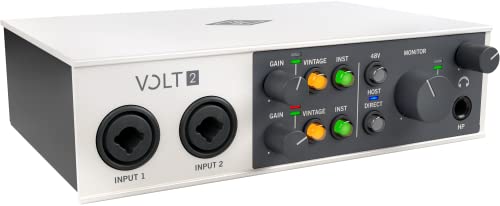
Universal Audio Volt 2 USB Audio Interface
Why We Love It

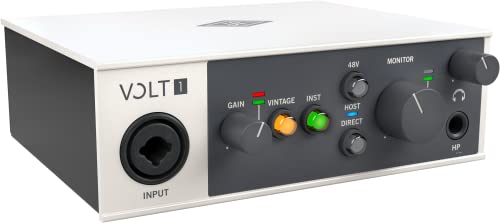
Universal Audio Volt 1 USB Audio Interface
Why We Love It

Universal Audio Volt 176 USB Audio Interface
Why We Love It
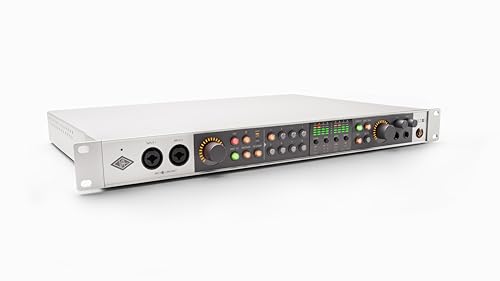
Universal Audio Volt 876 USB Recording Studio 24×28 USB-C
Why We Love It

Audient Audio Interface iD4 MKII
Why We Love It

MOTU M2 USB-C Audio Interface
Why We Love It

Scarlett 2i2 Studio 4th Gen
Why We Love It

M-AUDIO M-Track Duo HD USB-C Audio Interface
Why We Love It

Audient Audio Interface iD14 MKII
Why We Love It

Antelope Audio Zenith 2 USB-C Audio Interface for Streaming
Why We Love It
Quick Pick
10 Best Usb-c Studio Audio Interfaces Of 2026
Quick Pick
Universal Audio Volt 2 USB Audio Interface
Universal Audio Volt 1 USB Audio Interface
Universal Audio Volt 176 USB Audio Interface
Universal Audio Volt 876 USB Recording Studio 24×28 USB-C Audio Interface
Audient Audio Interface iD4 MKII, Class A Console Microphone Preamp (High Speed USB-C, Monitor Mix and Monitor Panning Function, 2 Headphone Outputs, Mac/PC/iOS Compatible), Black
MOTU M2 USB-C Audio Interface
Scarlett 2i2 Studio 4th Gen
M-AUDIO M-Track Duo HD USB-C Audio Interface
Audient Audio Interface iD14 MKII, 2 Class-A Microphone Preamps (High Performance USB Audio Interface, USB-C Connector, Monitor Mix and Monitor Panning Function, 2 Headphone Outputs), Black
Antelope Audio Zenith 2 USB-C Audio Interface for Streaming & Podcasting
Buying Guide: Usb-c Studio Audio Interfaces
📋 Table of Contents
1What sample rate and bit depth should I look for in a USB-C studio audio interface?
Aim for at least 24-bit depth and 44.1–48 kHz sample rates for standard recording, but 96 kHz or higher is better for high-resolution audio. Higher specs capture more detail, but ensure your DAW and monitors can handle them for the best results.
2How many inputs do I actually need for my setup?
For solo recording, one XLR input for a mic and one instrument input may suffice. If you plan to record bands or multiple sources at once, look for at least 2–4 inputs with phantom power for condenser mics and direct instrument connections.
3Does the preamp quality really affect my sound?
Yes — high-quality preamps reduce noise and preserve the dynamic range of your recordings. Look for models with low noise floors and a clean, transparent sound, especially if you're recording vocals or acoustic instruments where detail matters most.
4Is a built-in mixer or monitor control worth it?
If you want to adjust levels and monitor your mix without a DAW, a built-in mixer or monitor section is handy. It’s especially useful for live tracking or when you need quick adjustments during a session without switching software.
5What connectivity features should I prioritize besides USB-C?
Check for MIDI in/out if you use external controllers, and consider headphone outputs with volume control for monitoring. Some models also offer SPDIF or ADAT ports for expanding input/output options with additional hardware.
How we choose
Our editors are people who genuinely love testing and writing about products. We compare each product's real-world usability and strengths, then distill what matters most into our own "Why We Love It" points — so you get an honest, at-a-glance sense of what counts before you buy.