10 Best Usb Audio Interfaces For Podcasting Of 2026
Usb Audio Interfaces For Podcasting — Reviews, Recommendations & Updated Buying Guide November 2026


Universal Audio Volt 276 USB Audio Interface
Why We Love It


Universal Audio Volt 2 Gen 2 2-in / 4-out USB Audio
Why We Love It
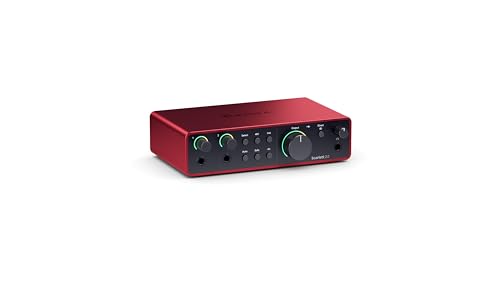
Focusrite Scarlett 2i2 4th Gen USB-C Audio Interface
Why We Love It
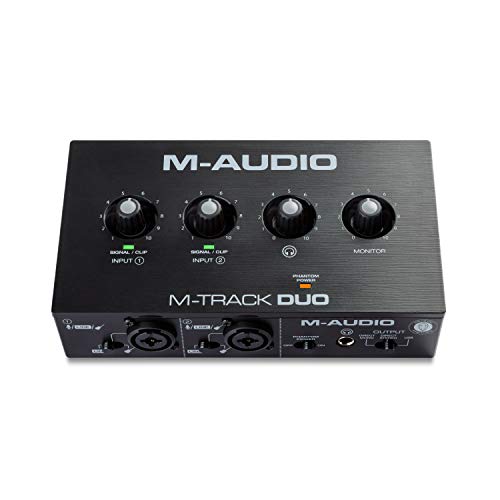
M-AUDIO M-Track Duo USB Audio Interface
Why We Love It

M-AUDIO M-Track Solo USB Audio Interface | XLR
Why We Love It

Universal Audio Volt 4 Gen 2 12-in / 6-out USB Audio
Why We Love It

Focusrite Scarlett Solo 4th Gen USB-C Audio Interface
Why We Love It

Tascam US-2x2HR 2 Mic 2IN/2OUT High Resolution Versatile USB
Why We Love It

Behringer UMC202HD Audiophile 2x2
Why We Love It
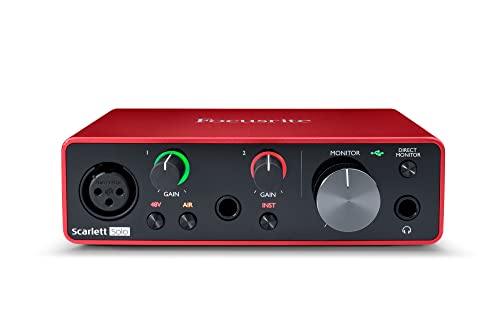
Focusrite Scarlett 3rd Gen Audio Interface
Why We Love It
Quick Pick
10 Best Usb Audio Interfaces For Podcasting Of 2026
Quick Pick
Universal Audio Volt 276 USB Audio Interface
Universal Audio Volt 2 Gen 2 2-in / 4-out USB Audio Interface with Onboard Tone Shaping
Focusrite Scarlett 2i2 4th Gen USB-C Audio Interface
M-AUDIO M-Track Duo USB Audio Interface
M-AUDIO M-Track Solo USB Audio Interface | XLR, Line and DI Inputs, Professional Software Suite for Recording, Streaming, and Podcasting
Universal Audio Volt 4 Gen 2 12-in / 6-out USB Audio Interface with Onboard Tone Shaping
Focusrite Scarlett Solo 4th Gen USB-C Audio Interface
Tascam US-2x2HR 2 Mic 2IN/2OUT High Resolution Versatile USB Audio Interface for Recording, Streaming, Podcasting, Songwriting
Behringer UMC202HD Audiophile 2x2, 24-Bit/192 kHz USB Audio Interface with Midas Mic Preamplifiers | For Recording Microphones and Instruments
Focusrite Scarlett 3rd Gen Audio Interface
Buying Guide: Usb Audio Interfaces For Podcasting
📋 Table of Contents
1How many inputs do I actually need for podcasting?
For solo podcasting, a single XLR input is usually enough. If you plan to record multiple guests or add a backup mic, look for at least two XLR inputs and a line input for connecting a computer or other audio sources.
2Is phantom power necessary for my microphone?
Yes, if you're using a condenser mic — it requires 48V phantom power to operate. Dynamic mics don’t need it, but many interfaces include it anyway for flexibility. Always check your mic’s specs before buying.
3What sample rate and bit depth should I look for?
A minimum of 44.1kHz sample rate and 24-bit depth is standard for high-quality podcasting. Higher rates like 48kHz or 96kHz can offer more detail, but ensure your editing software and hosting platform support them to avoid unnecessary file bloat.
4Should I prioritize USB 2.0 or USB 3.0 connectivity?
USB 2.0 is sufficient for most podcasting needs and widely compatible. USB 3.0 offers faster data transfer, which is only necessary if you plan to use multiple high-sample-rate inputs or advanced monitoring features. Compatibility with your computer is key.
5What monitoring features are essential for clear audio?
Look for a dedicated headphone output with volume control and a direct monitoring option to reduce latency. Some interfaces also offer zero-latency monitoring, which is ideal for real-time recording and vocal adjustments without audio delay.
How we choose
Our editors are people who genuinely love testing and writing about products. We compare each product's real-world usability and strengths, then distill what matters most into our own "Why We Love It" points — so you get an honest, at-a-glance sense of what counts before you buy.