10 Best Ultra Wide Aps C Camera Lens Of 2026
Ultra Wide Aps C Camera Lens — Reviews, Recommendations & Updated Buying Guide November 2026


Sony 11mm f/1.8 Ultra-Wide E-Mount Prime Lens for APS-C
Why We Love It


Viltrox AF 9mm F2.8 E Air APS-C Lens for Sony E-Mount
Why We Love It

TAMRON 11-20MM F/2.8 DI III-A RXD for Sony E APS-C
Why We Love It
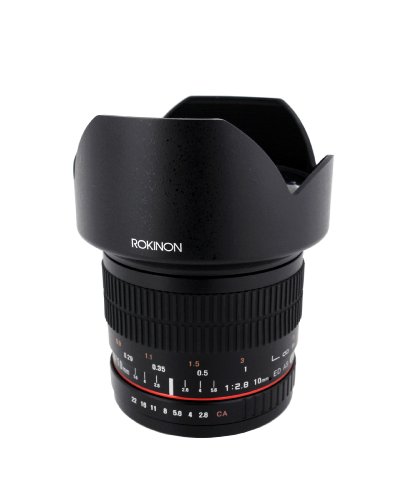
Rokinon 10mm F2.8 ED AS NCS CS Ultra Wide Angle Lens Canon
Why We Love It

7artisans 7.5mm f2.8 Mark II APS-C Fisheye Wide Angle Manual
Why We Love It

7artisans 12mm F2.8 Mark Ⅱ Ultra Wide Angle APS-C Manual
Why We Love It

VILTROX AF 9mm F2.8 Camera Lens APS-C Auto Focus Ultra Wide
Why We Love It

Meike 7.5mm f2.8 Ultra Wide Angle Manual Focus Diagonal
Why We Love It

Viltrox 9 mm f2.8 XF
Why We Love It

Meike 12mm f2.0 Ultra Wide Angle Manual Focus Lens
Why We Love It
Quick Pick
10 Best Ultra Wide Aps C Camera Lens Of 2026
Quick Pick
Sony 11mm f/1.8 Ultra-Wide E-Mount Prime Lens for APS-C Mirrorless Cameras – Ideal for Vlogging, Architecture, and Landscape
Viltrox AF 9mm F2.8 E Air APS-C Lens for Sony E-Mount | Ultra-Wide 113.8° Angle, Lightweight 175g, Fast Autofocus, Compact Prime Lens for Sony a6000 ZV-E10 a6600 a6400 a6700 a6300
TAMRON 11-20MM F/2.8 DI III-A RXD for Sony E APS-C Mirrorless Cameras (6 Year Limited Canadian Warranty for New Lenses Only)
Rokinon 10mm F2.8 ED AS NCS CS Ultra Wide Angle Lens Canon EF-S Type for Canon Digital SLR Cameras (10M-C), one size
7artisans 7.5mm f2.8 Mark II APS-C Fisheye Wide Angle Manual Fixed Lens for Sony E Mirrorless Camera A6300 A6400 A6500 NEX-3 NEX-3N NEX-5T NEX-5R
7artisans 12mm F2.8 Mark Ⅱ Ultra Wide Angle APS-C Manual Focus Prime Lens Compatible for Sony E-Mount Mirrorless Cameras A6500 A6300
VILTROX AF 9mm F2.8 Camera Lens APS-C Auto Focus Ultra Wide Angle Prime Lens (for Sony E)
Meike 7.5mm f2.8 Ultra Wide Angle Manual Focus Diagonal Fisheye Lens Compatible with Nikon Z Mount Cameras Z50 Z50II Z5 Z6 Z7 Z6II Z7II Z30 Zfc Under APS-C Mode
Viltrox 9 mm f2.8 XF, AF 9 mm F2.8 Air X Mount Lens for Fuji, Autofocus APS-C Ultra Wide Angle Lens for Fuji | Autofocus 9/2.8 X Prime Lens for Fujifilm X Mount X-T5 X-S20 X-E5 X-T30 II X-T4 X-H2S X-S10 X-E4 X-Pro3 X-T3 X-T50 X-M5
Meike 12mm f2.0 Ultra Wide Angle Manual Focus Lens Compatible with Sony E Mount APS-C Mirrorless Cameras A6400 A5000 A5100 A6000 A6100 A6300 A6500 A6600
Buying Guide: Ultra Wide Aps C Camera Lens
📋 Table of Contents
1What focal length range defines an ultra wide APS-C camera lens?
Ultra wide APS-C lenses typically have focal lengths between 10mm to 16mm, offering a wide field of view. These lenses are ideal for landscape, architecture, and interior photography, but may introduce distortion if not corrected in post-processing.
2How does the crop factor of APS-C affect the effective focal length?
APS-C sensors have a 1.5x crop factor, so a 14mm lens on APS-C behaves like a 21mm lens on full-frame. This makes ultra wide APS-C lenses more practical for everyday use without extreme distortion, while still providing a wide perspective.
3What aperture range should I look for in an ultra wide APS-C lens?
Look for lenses with a maximum aperture of f/2.8 or wider for better low-light performance and shallow depth of field. f/4 lenses are more common and affordable, but may struggle in dim lighting or when using higher ISO settings.
4Are ultra wide APS-C lenses prone to distortion, and how can I fix it?
Yes, ultra wide APS-C lenses often exhibit barrel distortion and vignetting. Many modern lenses include optical corrections, and software like Lightroom or Capture One can help reduce distortion during post-processing for more professional results.
5What are the key differences between prime and zoom ultra wide APS-C lenses?
Prime lenses offer sharper images, better low-light performance, and wider maximum apertures, but are fixed focal lengths. Zoom lenses provide flexibility with variable focal lengths, but may sacrifice image quality and maximum aperture, especially at the extreme ends of the zoom range.
How we choose
Our editors are people who genuinely love testing and writing about products. We compare each product's real-world usability and strengths, then distill what matters most into our own "Why We Love It" points — so you get an honest, at-a-glance sense of what counts before you buy.