10 Best Uhf Wireless Transmitter Receivers Of 2026
Uhf Wireless Transmitter Receivers — Reviews, Recommendations & Updated Buying Guide November 2026


AROMA UHF Wireless Guitar System Rechargeable Audio Wireless
Why We Love It


NUX C-5RC 5.8GHz Wireless Guitar System
Why We Love It

TAVOSOP Wireless Microphone Transmitter Receiver 2.4Ghz
Why We Love It

AROMA Wireless XLR Microphone Transmitter Receiver
Why We Love It

ALTO Stealth 1 Mono UHF XLR Wireless Audio System
Why We Love It

LEKATO Wireless Guitar System - UHF Transmitter and Receiver
Why We Love It

FIFINE Wireless Microphone System
Why We Love It
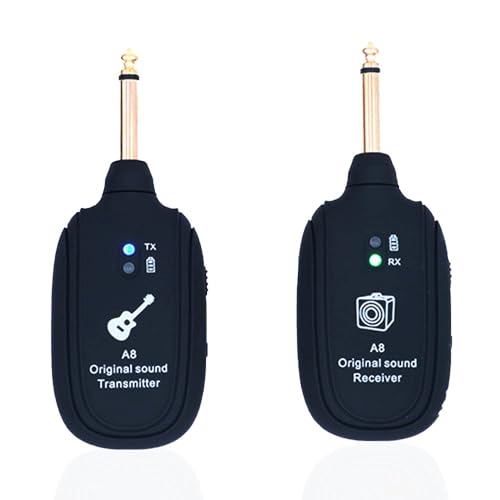
WANGCL Wireless Guitar System 20Hz-20kHz UHF Wireless Guitar
Why We Love It

Wireless XLR Transmitter and Receiver
Why We Love It
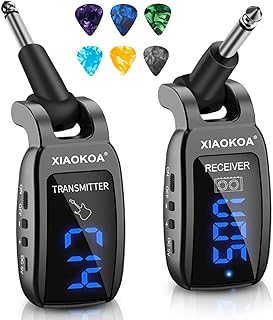
Wireless Guitar System
Why We Love It
Quick Pick
10 Best Uhf Wireless Transmitter Receivers Of 2026
Quick Pick
AROMA UHF Wireless Guitar System Rechargeable Audio Wireless Guitar Transmitter Receiver with 7 Channels for Guitar Bass and Electric Musical Instruments
NUX C-5RC 5.8GHz Wireless Guitar System, Active or Passive Pickup, Charging Case Included, UHF Transmitter Receiver, Low Interference, Auto Match
TAVOSOP Wireless Microphone Transmitter Receiver 2.4Ghz, XLR Microphone Wireless System, Rechargeable Wireless Mic Adapter for Audio Mixer, Dynamic Mic, Electric Guitar Bass(1 receive + 1 transmit)
AROMA Wireless XLR Microphone Transmitter Receiver, UHF Wireless Microphone Audio System for Dynamic Mics PA Mixer
ALTO Stealth 1 Mono UHF XLR Wireless Audio System | Wireless Transmitter and Receiver Set for Powered Speakers, Mixers, and Dynamic Microphones
LEKATO Wireless Guitar System - UHF Transmitter and Receiver, Rechargeable Audio, 70 Channels for Bass and Electric Instruments (Pink)
FIFINE Wireless Microphone System,Fifine Wireless Microphone set with Headset/Lavalier Lapel Mics, Beltpack Transmitter/Receiver,Ideal for Teaching, Preaching and Public Speaking Applications.(K037B)
WANGCL Wireless Guitar System 20Hz-20kHz UHF Wireless Guitar Transmitter Receiver for Electric Guitar Bass Violin A8 upgraded version
Wireless XLR Transmitter and Receiver, UHF Wireless Microphone System, Plug and Play Transmitter with 100m Range & 10 Hours Battery Life, Ideal for Live Performance (1 for 1)
Wireless Guitar System, UHF Wireless Guitar Transmitter Receiver 164Feet Range with HD LED Screen for Electric Guitar Bass Musical Instruments (Black) | 164ft Range, with LED Screen, Audio Transmission Systems for Bass, Ideal for Musical Instruments Instruction and Performance
Buying Guide: Uhf Wireless Transmitter Receivers
📋 Table of Contents
1What frequency range should I look for in a UHF wireless transmitter and receiver?
UHF systems typically operate between 470-960 MHz, with 863-960 MHz being the most common for professional use. A wider range allows for more channel options and better interference avoidance in crowded environments like live events or studios.
2How important is transmission range for my setup?
Look for at least 100 meters (328 feet) of open-range performance for most indoor applications. For outdoor or large venues, 300 meters (984 feet) or more is ideal, but signal strength can be affected by obstacles, walls, and other RF devices.
3Should I prioritize diversity reception or single-antenna systems?
Diversity receivers use two antennas to switch between signals and reduce dropouts, making them better for dynamic or high-movement environments. Single-antenna systems are simpler and cheaper but more prone to signal loss in complex RF conditions.
4What battery life should I expect from a wireless transmitter?
Most UHF transmitters offer 6-12 hours of continuous use on a full charge, depending on power settings and usage. Rechargeable lithium-ion batteries are standard, and some models support quick-swap battery packs for uninterrupted operation during long sessions.
5Are XLR or 1/4-inch outputs necessary for my UHF system?
XLR is preferred for balanced, low-noise connections to mixers or audio interfaces, while 1/4-inch jacks are common for direct instrument or guitar inputs. Choose based on your audio gear — some systems offer both for maximum compatibility.
How we choose
Our editors are people who genuinely love testing and writing about products. We compare each product's real-world usability and strengths, then distill what matters most into our own "Why We Love It" points — so you get an honest, at-a-glance sense of what counts before you buy.