10 Best True Bypass Chorus Pedals Of 2026
True Bypass Chorus Pedals — Reviews, Recommendations & Updated Buying Guide November 2026


Donner Chorus Pedal
Why We Love It

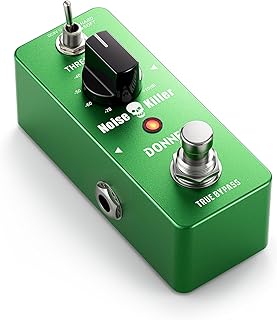
Donner Noise Gate Pedal
Why We Love It

Sondery Mini Analogue Chorus Effect Pedal for Electric
Why We Love It
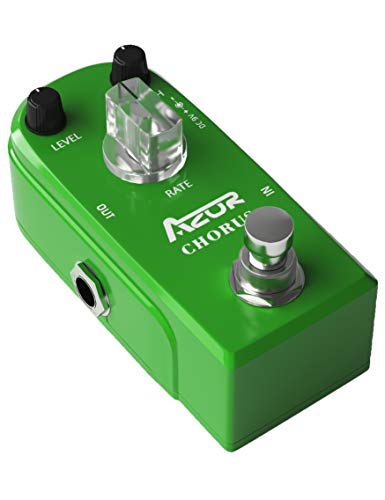
AZOR Chorus Guitar Effect Pedal Pure Analog Mini Pedal for
Why We Love It

MOOER Ensemble King Analogue Chorus Pedal
Why We Love It

SHAEVLE Chorus Effect Pedal
Why We Love It

SONICAKE Analog Delay & Modulation Guitar Pedal with Tap
Why We Love It

Klowra Sprout Modulation Guitar Effects Pedal with 9 modes
Why We Love It

JOYO Classic Flanger Guitar Pedal
Why We Love It

OUNA True Bypass Chorus Pedal for Electric Guitar and Bass
Why We Love It
Quick Pick
10 Best True Bypass Chorus Pedals Of 2026
Quick Pick
Donner Chorus Pedal, Tutti Love Analog Chorus Effect Classic Warm Chorus for Electric Guitar True Bypass
Donner Noise Gate Pedal, Noise Killer Guitar Pedal Noise Suppressor Effect 2 Modes for Electric Guitar and Bass True Bypass
Sondery Mini Analogue Chorus Effect Pedal for Electric Guitars
AZOR Chorus Guitar Effect Pedal Pure Analog Mini Pedal for Electric Guitar True Bypass
MOOER Ensemble King Analogue Chorus Pedal, Sky Blue - Pure analog chorus sound, Compact, True Bypass, 9mA, 9V
SHAEVLE Chorus Effect Pedal, Crystal Bucket-Brigade Style True Bypass
SONICAKE Analog Delay & Modulation Guitar Pedal with Tap Tempo - BBD Wonder
Klowra Sprout Modulation Guitar Effects Pedal with 9 modes
JOYO Classic Flanger Guitar Pedal, BBD Circuit with Metallic Flange & Chorus-Vibrato Tones for Electric Guitar, True Bypass (JF-07)
OUNA True Bypass Chorus Pedal for Electric Guitar and Bass
Buying Guide: True Bypass Chorus Pedals
📋 Table of Contents
1What is the difference between true bypass and buffered bypass in chorus pedals?
True bypass routes the signal directly from input to output when the effect is off, preserving tone and avoiding coloration. Buffered bypass uses a preamp to drive the signal, which can help with long cable runs but may slightly alter the tone. True bypass is preferred by tone purists, especially in short pedal chains.
2How many modulation speed and depth settings should I look for?
At least 3-5 speed and 2-4 depth settings give you enough flexibility to dial in subtle shimmers or deep, swirling choruses. More settings allow for greater creative control, but some pedals use continuous knobs for even more nuance and personalization.
3Does the pedal's input impedance matter for my guitar?
Yes — look for a high input impedance (typically 1MΩ or higher) to prevent tone loss and ensure compatibility with passive pickups. Low impedance can dull your guitar's highs and reduce dynamics, especially with single-coil pickups or high-output humbuckers.
4What are the advantages of an analog chorus over a digital one?
Analog chorus pedals use bucket-brigade devices (BBDs) to create warm, organic modulation with subtle imperfections. Digital chorus offers more precise control, longer modulation times, and often includes stereo or multi-mode options. Analog is ideal for vintage tones, while digital suits modern or experimental styles.
5Are expression pedal inputs worth including in a chorus pedal?
Yes — an expression pedal input lets you control modulation speed or depth in real time, adding dynamic control to your sound. It's especially useful for live performances or when blending chorus with other effects. Not all chorus pedals include this feature, so check if it's essential for your playing style.
How we choose
Our editors are people who genuinely love testing and writing about products. We compare each product's real-world usability and strengths, then distill what matters most into our own "Why We Love It" points — so you get an honest, at-a-glance sense of what counts before you buy.