10 Best Tritonaudio Preamps Of 2026
Tritonaudio Preamps — Reviews, Recommendations & Updated Buying Guide November 2026

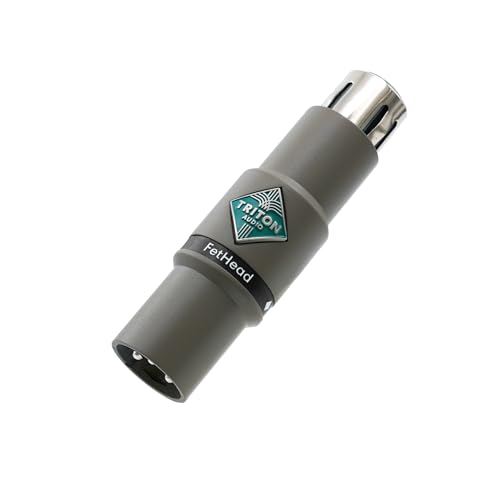
Triton Audio FetHead in-Line Microphone Preamp
Why We Love It


TRITON AUDIO FetHead Filter In-Line Microphone Preamp
Why We Love It

TritonAudio FetHead Germanium
Why We Love It

TRITON AUDIO Phantom Power Blocker Connector
Why We Love It

Universal Audio Max Preamp and Dual Compressor Pedal
Why We Love It
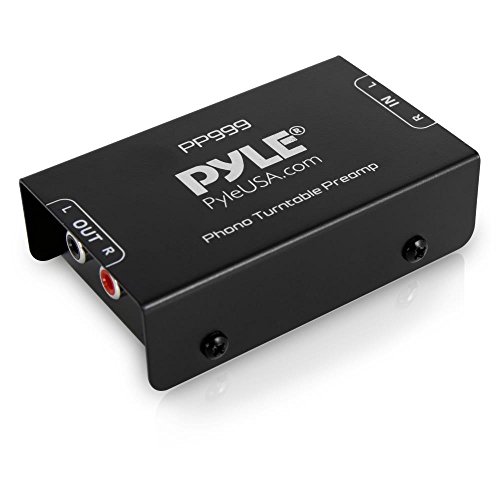
Pyle Phono Preamp for Turntable - Amplifier
Why We Love It

BOSS BP-1W BOOSTER PREAMP
Why We Love It

Skar Audio SKA7EQ 7 Band 1/2 DIN Pre-Amp Car Audio Graphic
Why We Love It
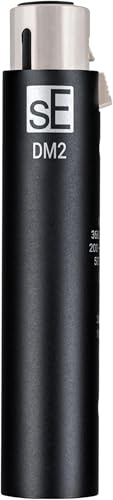
SE Electronics DM2 TNT 1-channel Active In-line Preamp
Why We Love It

TC Electronic JIMS 800 PREAMP Guitar Pedal
Why We Love It
Quick Pick
10 Best Tritonaudio Preamps Of 2026
Quick Pick
Triton Audio FetHead in-Line Microphone Preamp
TRITON AUDIO FetHead Filter In-Line Microphone Preamp
TritonAudio FetHead Germanium
TRITON AUDIO Phantom Power Blocker Connector
Universal Audio Max Preamp and Dual Compressor Pedal
Pyle Phono Preamp for Turntable - Amplifier, Pre Amp Hi-Fi Mini Stereo Box, Pre-amplifier Phono Stage for Record Player Audio Box with RCA Input & Output, Low Noise Operation, w/DC 12V Power Supply
BOSS BP-1W BOOSTER PREAMP
Skar Audio SKA7EQ 7 Band 1/2 DIN Pre-Amp Car Audio Graphic Equalizer with Aux Input and High Voltage RCA Outputs
sE Electronics DM2 TNT 1-channel Active In-line Preamp - Black Active In-line Preamp for Passive Dynamic and Ribbon Mics with 15dB - 30dB of Gain and 8 Load Impedance Settings - Black
TC Electronic JIMS 800 PREAMP Guitar Pedal | Twin-Channel Guitar Preamp with Independent Channel Controls, Pre/Post Boost & Dedicated Outputs for DI and Headphones
Buying Guide: Tritonaudio Preamps
📋 Table of Contents
1What input impedance should I look for in a preamp?
Aim for at least 10kΩ for passive microphones and 1MΩ for active ones. Higher impedance ensures cleaner signal transfer and reduces noise, especially when using long cables or high-output sources.
2Does a preamp with phantom power matter for my setup?
Yes — phantom power (48V) is essential for condenser microphones and some active DI boxes. If you plan to use these, always choose a preamp that offers switchable or fixed 48V phantom power.
3What's the difference between a discrete and op-amp based preamp?
Discrete preamps use individual transistors for a warmer, more transparent sound, while op-amp designs are more compact and cost-effective. Discrete is preferred in professional studios for its clarity and dynamic range.
4How much gain do I actually need from a preamp?
Look for at least 60dB of clean gain to handle low-output sources like ribbon mics or passive instruments. More than 70dB is ideal for capturing quiet signals without adding noise or distortion.
5Are balanced XLR outputs essential in a preamp?
Yes — balanced XLR outputs reduce interference and allow for longer cable runs, making them a must for studio and live use. Avoid preamps with only unbalanced outputs if you're connecting to professional gear or mixing consoles.
How we choose
Our editors are people who genuinely love testing and writing about products. We compare each product's real-world usability and strengths, then distill what matters most into our own "Why We Love It" points — so you get an honest, at-a-glance sense of what counts before you buy.