10 Best Trail Running Shoes Of 2026
Trail Running Shoes — Reviews, Recommendations & Updated Buying Guide November 2026


ASICS Gel-Venture 11 mens Sneaker
Why We Love It


Adidas Tracefinder Trail Running Shoes mens Shoes
Why We Love It

PAKMEZ Bronoir Barefoot Shoes
Why We Love It
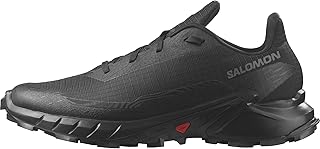
Salomon Men's Alphacross 5 Trail Running Shoes
Why We Love It

Adidas Tracefinder Trail Running Shoes mens Shoes
Why We Love It

PUMA Unisex Skyrocket Lite Trail Road Running Shoe
Why We Love It

SALOMON Alphacross 5 mens Hiking Shoe
Why We Love It

Columbia Konos Trs mens Hiking Shoe
Why We Love It

SALOMON Speedcross Gore-Tex mens Hiking shoe
Why We Love It

SALOMON Alphaglide mens Hiking shoe
Why We Love It
Quick Pick
10 Best Trail Running Shoes Of 2026
Quick Pick
ASICS Gel-Venture 11 mens Sneaker
adidas Tracefinder Trail Running Shoes mens Shoes
PAKMEZ Bronoir Barefoot Shoes, Bronoir Air Barefoot Shoes, Minimalist Trail Runner Men Women Trail Running Shoes
Salomon Men's Alphacross 5 Trail Running Shoes
adidas Tracefinder Trail Running Shoes mens Shoes
PUMA Unisex Skyrocket Lite Trail Road Running Shoe, Puma Black Cool Dark Gray, 43 EU
SALOMON Alphacross 5 mens Hiking Shoe
Columbia Konos Trs mens Hiking Shoe
SALOMON Speedcross Gore-Tex mens Hiking shoe
SALOMON Alphaglide mens Hiking shoe
Buying Guide: Trail Running Shoes
📋 Table of Contents
1What's the difference between trail running shoes and regular running shoes?
Trail shoes have thicker, more aggressive treads for grip on uneven terrain, reinforced uppers to protect against rocks and branches, and stiffer midsoles for stability. Road shoes are lighter and more cushioned for smooth surfaces, so they'll wear out quickly on rocky trails and offer less ankle support.
2How much cushioning do I need in trail running shoes?
It depends on your trail conditions and impact tolerance—softer terrain like forest paths need less cushioning, while rocky or technical trails benefit from moderate padding to absorb shock. Most runners prefer a balance: enough cushioning to protect joints but enough ground feel to navigate roots and rocks safely.
3Should I buy shoes with Gore-Tex or waterproofing?
It's worth it if you run in wet climates or muddy trails, as waterproof membranes keep feet dry longer. However, they can feel hot in dry conditions and make your shoes heavier, so only add this feature if you'll actually use it regularly.
4How do I know if a trail shoe fits properly?
You need about a thumb's width of space between your longest toe and the shoe end, since your foot swells during runs and needs room for cushioning. The heel should be snug without slipping, and the midfoot shouldn't pinch—wear the socks you'll actually run in when trying them on.
5When should I spend more on premium trail shoes instead of budget options?
Upgrade if you run 3+ times weekly on technical terrain, as better shoes reduce injury risk and last longer, making them more economical over time. Budget shoes work fine for casual weekend runners on moderate trails, but serious trail runners benefit from improved grip, protection, and durability.
How we choose
Our editors are people who genuinely love testing and writing about products. We compare each product's real-world usability and strengths, then distill what matters most into our own "Why We Love It" points — so you get an honest, at-a-glance sense of what counts before you buy.