10 Best Trail Runners Of 2026
Trail Runners — Reviews, Recommendations & Updated Buying Guide November 2026


PAKMEZ Bronoir Barefoot Shoes
Why We Love It

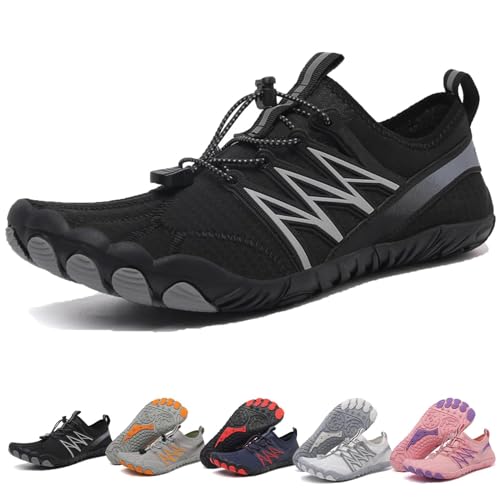
Bronoir Barefoot Shoes Bronoir Air Barefoot Shoes Minimalist
Why We Love It

ASICS Gel-Venture 11 mens Sneaker
Why We Love It

Allbirds Men's Trail Runner
Why We Love It

Salomon Men's XA PRO 3D Trail Running and Hiking Shoe
Why We Love It

Merrell Morphlite Mens Trail Running Shoes
Why We Love It

SALOMON Speedcross 6 mens Sneaker
Why We Love It

Salomon mens Classic, Black/Black/Phantom
Why We Love It
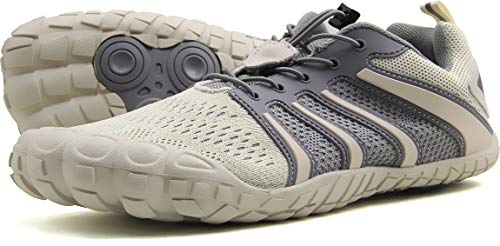
Oranginer Men's Trail Running Shoes Comfortable Wide Toe Box
Why We Love It

Joomra Women's Trail Running Shoes 6.5-7 Minimus Camping
Why We Love It
Quick Pick
10 Best Trail Runners Of 2026
Quick Pick
PAKMEZ Bronoir Barefoot Shoes, Bronoir Air Barefoot Shoes, Minimalist Trail Runner Men Women Trail Running Shoes
Bronoir Barefoot Shoes Bronoir Air Barefoot Shoes Minimalist Trail Runner Men Women Trail Running Shoes black, 43 EU
ASICS Gel-Venture 11 mens Sneaker
Allbirds Men's Trail Runner, Breathable All Traction Hiking Shoes, True Navy, Hazy Indigo (Natural Black Sole), 9.5
Salomon Men's XA PRO 3D Trail Running and Hiking Shoe
Merrell Morphlite Mens Trail Running Shoes – Comfortable & lightweight Designed For Trail & Road Runs - Durable Traction For Trail Running - White/Flare
SALOMON Speedcross 6 mens Sneaker
Salomon mens Classic, Black/Black/Phantom, 38 EU
Oranginer Men's Trail Running Shoes Comfortable Wide Toe Box Shoes for Men Beige Size 6.5
Joomra Women's Trail Running Shoes 6.5-7 Minimus Camping Workout Female Trainer Barefoot Runner Walking Tennis Sneakers Black Grey, 37 EU
Buying Guide: Trail Runners
📋 Table of Contents
1What tread depth is best for different trail conditions?
Look for 4-5mm for mixed terrain and light trails, while 6-8mm treads offer better grip on loose, muddy, or rocky surfaces. Deeper lugs can slow you on hard-packed trails, so match the depth to your usual running environment.
2How much cushioning do I need in trail runners?
Cushioning levels vary from minimal (8-12mm stack) for agile, technical trails to maximal (25-35mm) for long-distance or high-impact runs. Mid-stack (15-20mm) is a good all-rounder for most trail runners who want comfort and responsiveness.
3Are waterproof trail runners always better?
Waterproof membranes like Gore-Tex keep feet dry in wet conditions but can feel stuffy in warm weather. For cooler, wetter climates, they’re ideal; in hot or dry areas, breathable, water-resistant uppers often offer better ventilation and comfort.
4What weight range is suitable for trail running?
Lightweight trail runners (200-250g per shoe) are great for speed and agility on shorter runs, while midweight (250-300g) offers a balance of protection and support. Heavier models (300g+) are better for long-distance or rugged terrain where durability is key.
5What types of lacing systems are most secure?
Boa lacing systems offer precise, one-handed adjustability and stay tight on the move, while traditional laces give a customizable fit. Hybrid systems combine both for a secure, adaptive fit, especially useful on technical trails where foot stability is crucial.
How we choose
Our editors are people who genuinely love testing and writing about products. We compare each product's real-world usability and strengths, then distill what matters most into our own "Why We Love It" points — so you get an honest, at-a-glance sense of what counts before you buy.