10 Best Tonor Microphones Of 2026
Tonor Microphones — Reviews, Recommendations & Updated Buying Guide November 2026


TONOR Microphone Boom Arm
Why We Love It

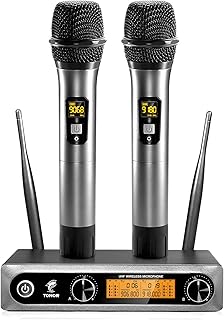
TONOR Wireless Microphone,Metal Dual Professional UHF
Why We Love It

TONOR Mic Stand, Microphone Stand with Tablet Holder
Why We Love It

TONOR Dynamic Microphone, XLR/USB Microphone for Podcast
Why We Love It

TONOR Gaming Microphone Set with Boom Arm
Why We Love It

TONOR Dynamic Gaming Microphone XLR/USB Mic with AI Noise
Why We Love It

TONOR Dynamic Karaoke Microphone for Singing with 16.4ft/ 5M
Why We Love It

TONOR Conference USB Microphone
Why We Love It

TONOR Wireless Microphone
Why We Love It

TONOR USB Gaming Microphone for PC PS4/5
Why We Love It
Quick Pick
10 Best Tonor Microphones Of 2026
Quick Pick
TONOR Microphone Boom Arm, Premium Low Profile Mic Arm Mic Stand for Gaming Podcasting Streaming Recording, Fully Adjustable 360° Rotatable 90° Foldable T20LP
TONOR Wireless Microphone,Metal Dual Professional UHF Cordless Dynamic Mic Handheld Microphone System for Home Karaoke, Meeting, Party, Church, DJ, Wedding, Home KTV Set, TW-820
TONOR Mic Stand, Microphone Stand with Tablet Holder, Tripod Boom Arm for Floor, Adjustable Height and Angle, Heavy Duty DJ Stand with Carrying Bag, Phone and iPad Clamp
TONOR Dynamic Microphone, XLR/USB Microphone for Podcast, Recording, Streaming, Gaming, XLR Cardioid Studio Mic with Quick Mute, 3.5mm Headphone Jack, Volume Control, Mic with Boom Arm, Black, TD510+
TONOR Gaming Microphone Set with Boom Arm, Vocal Condenser Microphone for Content Creators, USB Mic for PC with Stand, RGB, Tap Mute, Gain Control, Gaming Equipemnt, Twitch, Streaming, TC310+
TONOR Dynamic Gaming Microphone XLR/USB Mic with AI Noise Cancellation | Boom Arm Set, RGB, Tap Mute, 3.5mm Jack, Gain Control, Microfono for Content Creators, Black, TD510 AIR S H+
TONOR Dynamic Karaoke Microphone for Singing with 16.4ft/ 5M XLR Cable, Metal Handheld Mic Compatible with Karaoke Machine/Speaker/Amp/Mixer for Karaoke Singing, Speech, Wedding and Outdoor Activity | Dynamic Handheld Mic for Karaoke, Cardioid Studio Microfono with 500 cm XLR to 1/4" Cable, for Speakers/Mixer/Amp/Speech, K1
TONOR Conference USB Microphone, Omnidirectional Condenser PC Mic G11 | Condenser Mic, Compatible with 190 cm/74inch Cable, Windows and Mac, Desktop PC & Laptop for Teleconference, Court Reporter
TONOR Wireless Microphone, UHF Metal Handheld Microphone System with Rechargeable Receiver, 1/4" Output for Amplifier, PA System, Karaoke Machine, 60m (TW620), Silver
TONOR USB Gaming Microphone for PC PS4/5, Cardioid Condenser Microphone | with Tripod for Podcast, Streaming, Studio, Computer, Mic RGB with Adjustable Modes and Brightness, Quick Silence, TC310
Buying Guide: Tonor Microphones
📋 Table of Contents
1What microphone type is best for my use?
Dynamic mics are durable and ideal for loud sources like vocals or instruments; condenser mics offer higher sensitivity and clarity, perfect for studio vocals or acoustic instruments. Ribbon mics are warm but fragile, best for controlled environments like studios.
2How important is polar pattern selection?
Cardioid mics pick up sound from the front and reject side and rear noise, great for vocals. Omnidirectional mics capture sound from all directions, useful for interviews or ambient recording. Choose based on your recording environment and noise control needs.
3What sample rate and bit depth should I look for?
For high-quality audio, aim for at least 44.1kHz sample rate and 24-bit depth. These settings ensure detailed, studio-grade recordings and are compatible with most professional editing software and playback systems.
4Do I need a pop filter or shock mount?
A pop filter reduces plosive sounds like 'p' and 'b' in vocal recordings, while a shock mount isolates the mic from vibrations and handling noise. Both are essential for clean, professional-sounding audio, especially in home setups.
5Is USB or XLR connection better for me?
USB mics are plug-and-play and great for podcasting or streaming without extra gear. XLR mics require an audio interface but offer higher quality and flexibility for studio or live sound applications. Choose based on your setup and audio goals.
How we choose
Our editors are people who genuinely love testing and writing about products. We compare each product's real-world usability and strengths, then distill what matters most into our own "Why We Love It" points — so you get an honest, at-a-glance sense of what counts before you buy.