10 Best Tonor Gaming Microphones Of 2026
Tonor Gaming Microphones — Reviews, Recommendations & Updated Buying Guide November 2026

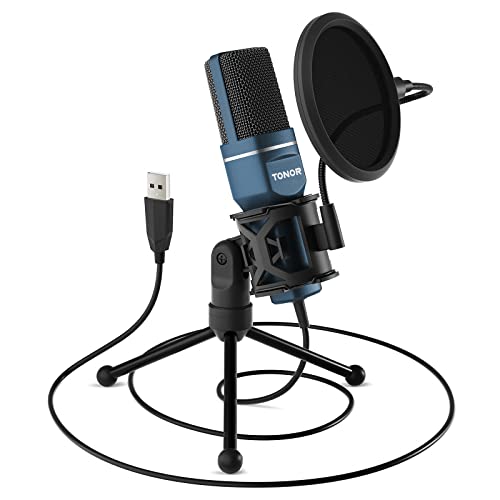
TONOR USB Cardioid Condenser Microphone for PC Microphone
Why We Love It


TONOR Gaming Microphone Set with Boom Arm
Why We Love It

TONOR Dynamic Gaming Microphone XLR/USB Mic with AI Noise
Why We Love It

TONOR USB Gaming Microphone for PC PS4/5
Why We Love It

TONOR Gaming Microphone Compatible with Xbox
Why We Love It

TONOR USB/XLR Dynamic Microphone for PC Gaming
Why We Love It

TONOR Dynamic Microphone, XLR/USB Microphone for Podcast
Why We Love It

TONOR TC-777 Podcast Microphone
Why We Love It

TONOR RGB USB Microphone
Why We Love It

TONOR TD510 Dynamic Microphone with XLR/USB Cable
Why We Love It
Quick Pick
10 Best Tonor Gaming Microphones Of 2026
Quick Pick
TONOR USB Cardioid Condenser Microphone for PC Microphone with Tripod and Anti-Pop Filter for Voice Recording and Musical, Podcasting, Streaming, Gaming for Windows Laptop
TONOR Gaming Microphone Set with Boom Arm, Vocal Condenser Microphone for Content Creators, USB Mic for PC with Stand, RGB, Tap Mute, Gain Control, Gaming Equipemnt, Twitch, Streaming, TC310+
TONOR Dynamic Gaming Microphone XLR/USB Mic with AI Noise Cancellation | Boom Arm Set, RGB, Tap Mute, 3.5mm Jack, Gain Control, Microfono for Content Creators, Black, TD510 AIR S H+
TONOR USB Gaming Microphone for PC PS4/5, Cardioid Condenser Microphone | with Tripod for Podcast, Streaming, Studio, Computer, Mic RGB with Adjustable Modes and Brightness, Quick Silence, TC310
TONOR Gaming Microphone Compatible with Xbox, RGB Condenser Streaming Mic, Low Noise, Gain Control, One Tap Mute, Compatible with Capture Card, 200 cm Cable, Desktop Stand, Black TCX3
TONOR USB/XLR Dynamic Microphone for PC Gaming, Streaming, TD510 AIR H+ | Podcast Mic With Boom Arm Stand, Headphone Jack, AI Noise Reduction, Mute Button for Vocal Recording&Singing&Discord&YouTube
TONOR Dynamic Microphone, XLR/USB Microphone for Podcast, Recording, Streaming, Gaming, XLR Cardioid Studio Mic with Quick Mute, 3.5mm Headphone Jack, Volume Control, Mic with Boom Arm, Black, TD510+
TONOR TC-777 Podcast Microphone, USB Computer Microphone, Cardioid Condenser PC Mic with Tripod Stand and Pop Filter for Podcasting, Streaming, Vocal Recording, Compatible with PC & Laptop, PS4/5
TONOR RGB USB Microphone, Cardioid Condenser Computer Mic, for Conference, Gaming, Streaming, Podcast, Chatting, Compatible with Laptop, PC, 200 cm Cable, with Boom Arm, RGB, TC30S+
TONOR TD510 Dynamic Microphone with XLR/USB Cable, Micro PC with Mute Button, Vocal Mic Vocal Microphone for Podcast, Streaming, Gaming, Studio and Recording, 200 cm Cable, Black
Buying Guide: Tonor Gaming Microphones
📋 Table of Contents
1What microphone type is best for gaming — USB or XLR?
USB mics are plug-and-play and ideal for casual or solo gaming, while XLR mics offer better sound quality and flexibility for streamers or voice actors. Choose XLR if you plan to upgrade your setup or use a mixer.
2How important is a noise-canceling feature for gaming?
Noise-canceling mics reduce background noise like fans or room echoes, making your voice clearer for teammates and viewers. Look for models with a unidirectional pickup pattern and built-in filters for optimal performance.
3What sensitivity level should I look for in a gaming mic?
A sensitivity range of -30dB to -45dB is ideal for most gaming mics, capturing clear voice input without overloading. Higher sensitivity can pick up more detail, but may also capture unwanted ambient noise if not paired with noise cancellation.
4Are pop filters or shock mounts worth buying separately?
A pop filter softens harsh plosive sounds like 'p' and 'b,' while a shock mount isolates the mic from vibrations. Both are worth it if you want cleaner audio, especially for streaming or voice chat with a dedicated mic stand.
5What should I prioritize — frequency response or sample rate?
Frequency response (100-20,000Hz) ensures natural-sounding voice capture, while a sample rate of 48kHz or higher is standard for high-quality audio. For gaming, prioritize a balanced frequency range over ultra-high sample rates unless you plan to record voiceovers.
How we choose
Our editors are people who genuinely love testing and writing about products. We compare each product's real-world usability and strengths, then distill what matters most into our own "Why We Love It" points — so you get an honest, at-a-glance sense of what counts before you buy.