10 Best Thermocouple Safety Pilot Kits Of 2026
Thermocouple Safety Pilot Kits — Reviews, Recommendations & Updated Buying Guide November 2026

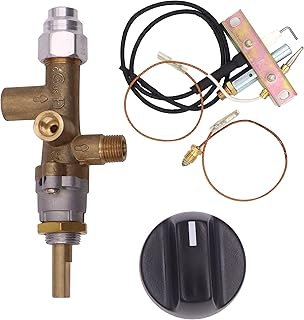
METER STAR Propane Fire Pit Main Control Brass Safety Valve
Why We Love It


Propane Gas Patio Heater Repair
Why We Love It

LP Gas Range Oven Safety Valve with Pilot Burner DIY Kit
Why We Love It

Cryfokt Outdoor Heater Repair Kit with Thermocouple
Why We Love It

Gas Patio Heater Control Valve Thermocouple Sensor Dump
Why We Love It
Cryfokt Patio Heater Repair Kit with Thermocouple
Why We Love It

14D0477 ODS Pilot Assembly
Why We Love It

1980-036 Thermocouple Kit
Why We Love It

MCAMPAS Safety Pilot Thermocouple Replacment for 34820 Henny
Why We Love It

Cryfokt Gas Fryer Pilot Burner with Thermocouple
Why We Love It
Quick Pick
10 Best Thermocouple Safety Pilot Kits Of 2026
Quick Pick
METER STAR Propane Fire Pit Main Control Brass Safety Valve,Gas Room Heater Pilot Burner Assembly Parts Thermocouple Safety Device Ignition Component Pilot Assembly Kit
Propane Gas Patio Heater Repair, Replacement Parts for Thermocouple Sensor & Dump Switch Controls Safety Kit,Main Control Valve with Pilot Port Kit
LP Gas Range Oven Safety Valve with Pilot Burner DIY Kit Assembly | Pilot Light, Thermocouple flame failure, Igniter Compatible with Pizza Oven, Fireplace
Cryfokt Outdoor Heater Repair Kit with Thermocouple
Gas Patio Heater Control Valve Thermocouple Sensor Dump Switch Knob Propane Fire Pit Control Pilot Port Set
Cryfokt Patio Heater Repair Kit with Thermocouple
14D0477 ODS Pilot Assembly, Gas Log Pilot Assembly for Vent Free Gas Fireplace Replacement Parts with Thermocouple Compatible with Empire Comfort Glow Vanguard and More LP Propane ODS Safety
1980-036 Thermocouple Kit, for Robertshaw Majority of Pilot Burners 1980 Series Snap-Fit Thermocouple Replace (36")
MCAMPAS Safety Pilot Thermocouple Replacment for 34820 Henny Penny Fryer Thermocouple,Compatible with Robertshaw 1900 Series Thermocouples for Garland Fryer
Cryfokt Gas Fryer Pilot Burner with Thermocouple
Buying Guide: Thermocouple Safety Pilot Kits
📋 Table of Contents
1What temperature range should a thermocouple safety pilot kit be able to handle?
Look for kits that operate safely between 500°F to 2,000°F (260°C to 1,100°C), as this range covers most gas appliances like furnaces, water heaters, and boilers. Kits with a narrower range may not function properly on high-output or industrial units, risking improper ignition or safety failures.
2What materials are best for the thermocouple and pilot tube in a safety pilot kit?
High-quality kits use stainless steel or nickel alloy thermocouples for durability and resistance to corrosion, while the pilot tube is typically made of brass or copper for heat conductivity. Avoid kits with cheap, galvanized steel parts, which can degrade quickly and compromise safety.
3How does a thermocouple safety pilot kit differ from a standard pilot light system?
A safety pilot kit includes a thermocouple that senses flame presence and cuts off gas if the flame goes out, preventing gas leaks. Standard pilot systems lack this safety feature, making them less reliable for modern, high-efficiency gas appliances that require fail-safe mechanisms.
4What size thermocouple should I look for based on my appliance type?
For residential furnaces and water heaters, a 12-inch thermocouple is standard. Larger appliances like commercial boilers may require 18-inch or longer models. Ensure the length matches your appliance’s design to avoid improper installation or reduced efficiency.
5Are there any common mistakes to avoid when installing a thermocouple safety pilot kit?
Avoid over-tightening the thermocouple nut, as this can crack the porcelain tip and cause failure. Also, ensure the thermocouple is positioned correctly in the flame, with at least 1/2 inch of the tip inside the burner’s blue flame for proper heat detection and safety operation.
How we choose
Our editors are people who genuinely love testing and writing about products. We compare each product's real-world usability and strengths, then distill what matters most into our own "Why We Love It" points — so you get an honest, at-a-glance sense of what counts before you buy.