10 Best Tenon Saw Of 2026
Tenon Saw — Reviews, Recommendations & Updated Buying Guide November 2026

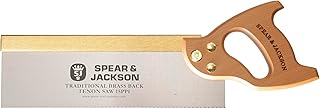
Spear & Jackson 9550B Traditional Brass Back Tenon
Why We Love It


Tenon Saw 250 mm (10 Inches) Plastic Handle
Why We Love It

Irwin 10507424 XP3055-250 12TPI Tenon Saw
Why We Love It

Irwin 10503534 12T/13P XP3055-300 Jack Tenon Saw
Why We Love It

Tolsen - Hand Saw
Why We Love It

SUIZAN Dozuki Dovetail Saw 180mm Rip Cross Cut
Why We Love It

Spear & Jackson 5410Y Professional Tenon Saw
Why We Love It

Spear & Jackson B9810 10 inch (255mm) X 15pts Predator Tenon
Why We Love It

Stanley - FatMax 217202 14-inch 350mm FatMax Tenon/Back Saw
Why We Love It
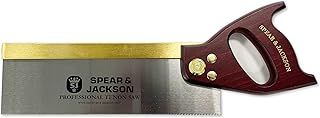
Spear & Jackson Saw Tenon 12 inch x 13 ppi
Why We Love It
Quick Pick
10 Best Tenon Saw Of 2026
Quick Pick
Spear & Jackson 9550B Traditional Brass Back Tenon
Tenon Saw 250 mm (10 Inches) Plastic Handle - Yellow and Black
Irwin 10507424 XP3055-250 12TPI Tenon Saw, 250mm
Irwin 10503534 12T/13P XP3055-300 Jack Tenon Saw, 12, Blue, 12"
Tolsen - Hand Saw,31070,400Mm
SUIZAN Dozuki Dovetail Saw 180mm Rip Cross Cut - Japanese Pullsaw Hand Saws | Professional Pull Saw for Woodworking Joinery Tenon Furniture Making DIY Tools Fine Wood Cut Miter Sharp Replaceable Blade
Spear & Jackson 5410Y Professional Tenon Saw
Spear & Jackson B9810 10 inch (255mm) X 15pts Predator Tenon Saw
Stanley - FatMax 217202 14-inch 350mm FatMax Tenon/Back Saw 13tpi
Spear & Jackson Saw Tenon 12 inch x 13 ppi
Buying Guide: Tenon Saw
📋 Table of Contents
1What's the difference between a tenon saw and a regular handsaw?
A tenon saw has a reinforced steel or brass spine along the top edge that keeps the blade perfectly straight and rigid, while regular handsaws flex more during cutting. This makes tenon saws better for precise joinery work like cutting tenons and dovetails, where accuracy matters.
2What blade length should I choose for general woodworking?
Most woodworkers find a 10-12 inch blade ideal for cutting tenons and general joinery tasks. Go shorter (8-10 inches) if you work mostly with small pieces, or longer (14 inches) if you regularly handle larger stock.
3Does tooth count really matter when buying a tenon saw?
Yes—more teeth per inch (TPI) means finer, slower cuts with cleaner edges, while fewer teeth cut faster but rougher. For fine joinery, look for 12-15 TPI; for faster work on thicker wood, 10-12 TPI works fine.
4When is it worth spending more on a quality tenon saw?
Higher-end saws have better steel that stays sharp longer, straighter spines, and more comfortable handles—worth it if you use the saw regularly for detail work. Budget saws work for occasional use, but quality ones reduce hand fatigue and give noticeably cleaner cuts over time.
5What should I check before buying to make sure the saw will work well?
Hold it in your hand to check if the handle feels comfortable and the blade sits perfectly straight (no twist or curve). Also inspect the teeth for consistent sizing and sharpness, and confirm the spine is firmly attached without wobbling.
How we choose
Our editors are people who genuinely love testing and writing about products. We compare each product's real-world usability and strengths, then distill what matters most into our own "Why We Love It" points — so you get an honest, at-a-glance sense of what counts before you buy.