10 Best Tc Electronic Preamps Of 2026
Tc Electronic Preamps — Reviews, Recommendations & Updated Buying Guide November 2026


TC Electronic Jims 45 Preamp 2-Channel Amp Modeling Guitar
Why We Love It


TC Electronic SCF Gold SE Analog Stereo Chorus/Flanger Pedal
Why We Love It

TC Electronic JIMS 800 PREAMP Guitar Pedal
Why We Love It

TC Electronic DC30 PREAMP Guitar Pedal
Why We Love It

TC Electronic Ampworx Dual Wreck Preamp Pedal
Why We Love It

TC Electronic V550 Preamp Modeling Guitar Pedal
Why We Love It
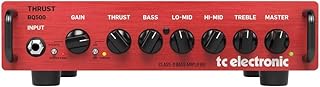
TC Electronic THRUST BQ500 500 Watt Portable Bass Head with
Why We Love It
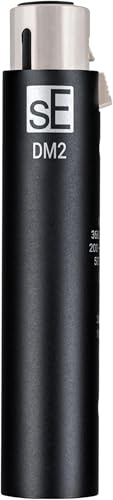
SE Electronics DM2 TNT 1-channel Active In-line Preamp
Why We Love It

TC Helicon GoXLR MINI-WH Online Broadcast Mixer with
Why We Love It

TC Electronic MOJOMOJO OVERDRIVE Exceptional Overdrive Pedal
Why We Love It
Quick Pick
10 Best Tc Electronic Preamps Of 2026
Quick Pick
TC Electronic Jims 45 Preamp 2-Channel Amp Modeling Guitar Pedal
TC Electronic SCF Gold SE Analog Stereo Chorus/Flanger Pedal (Special Edition Gold)
TC Electronic JIMS 800 PREAMP Guitar Pedal | Twin-Channel Guitar Preamp with Independent Channel Controls, Pre/Post Boost & Dedicated Outputs for DI and Headphones
TC Electronic DC30 PREAMP Guitar Pedal | Dual-Channel Guitar Preamp with Independent Channel Controls, Pre/Post Boost & Dedicated Outputs for DI and Headphones
TC Electronic Ampworx Dual Wreck Preamp Pedal
TC Electronic V550 Preamp Modeling Guitar Pedal
TC Electronic THRUST BQ500 500 Watt Portable Bass Head with Mosfet Preamp and Thrust Compressor
sE Electronics DM2 TNT 1-channel Active In-line Preamp - Black Active In-line Preamp for Passive Dynamic and Ribbon Mics with 15dB - 30dB of Gain and 8 Load Impedance Settings - Black
TC Helicon GoXLR MINI-WH Online Broadcast Mixer with USB/Audio Interface and Midas Preamp
TC Electronic MOJOMOJO OVERDRIVE Exceptional Overdrive Pedal with Extra Headroom, Precise Controls and a Voicing Switch
Buying Guide: Tc Electronic Preamps
📋 Table of Contents
1What input impedance should I look for in a preamp?
Aim for at least 10kΩ for passive microphones and 1MΩ for active or high-impedance sources. Higher impedance ensures cleaner signal transfer and avoids loading issues, especially with dynamic or ribbon mics.
2Does a preamp's gain range matter for my setup?
Yes — look for 40-60dB of gain for most studio mics, and up to 70dB if using low-output ribbon or tube mics. Too little gain forces you to boost in later stages, increasing noise.
3What's the difference between solid-state and tube preamps?
Solid-state preamps offer clean, transparent sound and are reliable for most recording. Tube preamps add warmth and harmonic distortion, ideal for vocals or acoustic instruments but require more maintenance and cost.
4Should I prioritize a preamp with phantom power?
Yes if you use condenser mics — look for 48V phantom power with a switch to avoid damaging dynamic or ribbon mics. Some preamps also include -20dB pads for loud sources like guitar amps or drums.
5Are balanced XLR outputs essential in a preamp?
Absolutely — balanced XLR outputs reduce noise over long cable runs and are standard in professional audio setups. Avoid unbalanced outputs unless you're using short cables in a low-noise environment.
How we choose
Our editors are people who genuinely love testing and writing about products. We compare each product's real-world usability and strengths, then distill what matters most into our own "Why We Love It" points — so you get an honest, at-a-glance sense of what counts before you buy.