10 Best Surfing Skimboards Of 2026
Surfing Skimboards — Reviews, Recommendations & Updated Buying Guide November 2026


WaveStorm Foam Skimboard 48"
Why We Love It

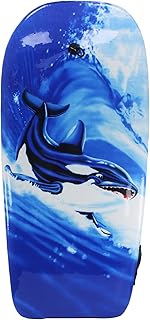
Surfing Board 44x5.5x102cm Durable Lightweight EVA Foam with
Why We Love It
Quick Pick
10 Best Surfing Skimboards Of 2026
Quick Pick
WaveStorm Foam Skimboard 48" | Skimboard for Beginners and All Skimming, Surfing and Bodyboard Levels, Blue Skimboar
Surfing Board 44x5.5x102cm Durable Lightweight EVA Foam with Vibrant Mixed Design Printing Comfortable Grip Stable Safe Perfect for Kids Beginners Adults for Beach Pool and Water Sports
Buying Guide: Surfing Skimboards
📋 Table of Contents
1What size skimboard should I buy for my weight and skill level?
Lighter riders under 65kg typically do better with boards 48-52 inches, while heavier riders need 52-58 inches for proper float and control. Beginners should lean toward the larger end of their weight range to make catching waves easier, then size down as your skills improve.
2What's the difference between wooden and fiberglass skimboards?
Wooden skimboards are lighter and more responsive, making them ideal for tricks and maneuvers, but they're less durable and need regular maintenance. Fiberglass boards are sturdier and forgiving for beginners, though they're heavier and don't have the same speed potential.
3Does board thickness really matter when choosing a skimboard?
Thickness directly affects float and stability—thinner boards (around 3/8 inch) are faster and better for experienced riders, while thicker ones (½ inch or more) provide more forgiveness for beginners. Choose based on your weight and experience rather than personal preference alone.
4When is it worth spending more on a premium skimboard?
Premium boards justify the cost if you're serious about improving or riding regularly, as they offer better durability, speed, and response. Budget options work fine for casual use or learning, but you'll hit performance limits quickly as you progress.
5What should I look for in terms of board shape and rails?
Sharper rails cut through water better and allow tighter turns, while softer rails are more forgiving during wipeouts and better for beginners. The bottom shape matters too—concave bottoms provide better water release and speed, while flat bottoms offer stability.
How we choose
Our editors are people who genuinely love testing and writing about products. We compare each product's real-world usability and strengths, then distill what matters most into our own "Why We Love It" points — so you get an honest, at-a-glance sense of what counts before you buy.