10 Best Supercardioid Instrument Microphones Of 2026
Supercardioid Instrument Microphones — Reviews, Recommendations & Updated Buying Guide November 2026


SE ELECTRONICS V7 Dynamic Microphone for Singing
Why We Love It


SE ELECTRONICS V7 X Dynamic Instrument Microphone for Live
Why We Love It

Shure BETA 57A Supercardioid Dynamic Instrument Microphone
Why We Love It

Superlux PRA628MKII Supercardioid Instrument Microphone for
Why We Love It

SENNHEISER Professional E 945 Dynamic Super-Cardioid Vocal
Why We Love It

Behringer B906 Dynamic Microphone For Instrument And Vocal
Why We Love It

Weymic Wm58 Classic Style Dynamic Vocal Instrument with
Why We Love It

Samson FM1 Flat Mic Supercardioid Dynamic Instrument
Why We Love It

Shure SM57, Dynamic Instrument Microphone
Why We Love It
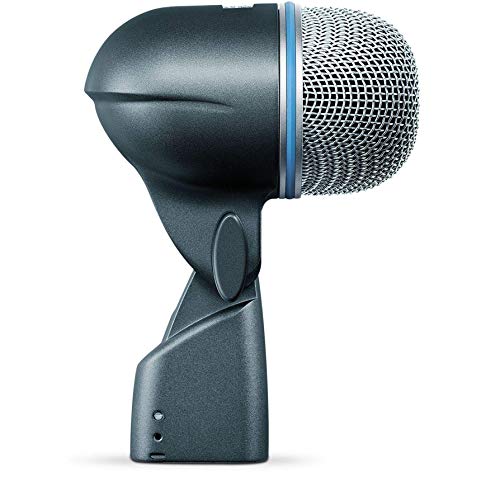
Shure BETA 52A Kick Drum Microphone
Why We Love It
Quick Pick
10 Best Supercardioid Instrument Microphones Of 2026
Quick Pick
SE ELECTRONICS V7 Dynamic Microphone for Singing, Speech & Studio Recording - XLR Handheld Professional Microphone with Supercardioid Aluminum Voice Coil for Huge Gain Before Feedback - Red
SE ELECTRONICS V7 X Dynamic Instrument Microphone for Live Performances & Instrument Recording in the Studio - Dynamic Microphone with Supercardioid Aluminum Voice Coil for Huge Gain Before Feedback
Shure BETA 57A Supercardioid Dynamic Instrument Microphone
Superlux PRA628MKII Supercardioid Instrument Microphone for Guitar Amps
SENNHEISER Professional E 945 Dynamic Super-Cardioid Vocal Microphone,black
Behringer B906 Dynamic Microphone For Instrument And Vocal Applications, B 906
weymic Wm58 Classic Style Dynamic Vocal Instrument with Clean Sound, Metal Body Microphone (not with Cable)
Samson FM1 Flat Mic Supercardioid Dynamic Instrument Microphone
Shure SM57, Dynamic Instrument Microphone, Cardioid, Studio Ready, For Live Instrument Performance & Professional Audio Recording, Black
Shure BETA 52A Kick Drum Microphone - Supercardioid Dynamic Mic with High Output Neodymium Element, Locking Stand Adapter, Durabl Steel Mesh Grille and Shock Mount
Buying Guide: Supercardioid Instrument Microphones
📋 Table of Contents
1What frequency response range is best for accurate instrument capture?
Look for a range of 40Hz to 20kHz to cover most instruments, with extended low-end (down to 20Hz) for bass-heavy sources and a smooth high-end for cymbals or acoustic guitars. A flat response ensures minimal coloration for mixing flexibility.
2How does supercardioid polar pattern affect my recordings?
Supercardioid mics reject sound from the sides and rear, making them ideal for isolating a single instrument in a live or studio setup. However, they can pick up some rear bleed, so avoid placing them near loud sources behind the mic.
3What sensitivity level should I prioritize for dynamic or quiet instruments?
For dynamic instruments like drums or brass, a sensitivity of 10-25mV/Pa is suitable. For quieter sources like acoustic piano or strings, aim for 25-35mV/Pa to capture subtle details without needing excessive preamp gain, which adds noise.
4Is a shockmount or pop filter included, and should I care?
Many supercardioid mics for instruments don’t include pop filters, as they’re less relevant for non-vocal use. A shockmount is more important to reduce handling noise, especially for handheld or close-miked applications like micing a guitar amp or snare drum.
5What’s the difference between dynamic and condenser supercardioid mics for instruments?
Dynamic mics are durable, handle high sound pressure levels, and are great for drums and loud amps. Condenser mics offer higher sensitivity and detail, making them better for acoustic instruments or studio tracking where clarity and nuance are key.
How we choose
Our editors are people who genuinely love testing and writing about products. We compare each product's real-world usability and strengths, then distill what matters most into our own "Why We Love It" points — so you get an honest, at-a-glance sense of what counts before you buy.