10 Best Studio In Ear Monitors Of 2026
Studio In Ear Monitors — Reviews, Recommendations & Updated Buying Guide November 2026


Behringer PM1, Black, xlr
Why We Love It


Audio-Technica ATH-E50 Professional In-Ear Studio Monitor
Why We Love It
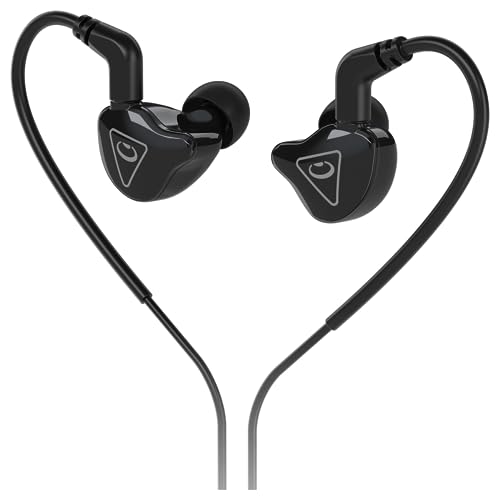
Behringer MO240 Studio Monitoring Earphones with Dual Hybrid
Why We Love It

NUX C-7 5.8GHz Stereo Wireless in-Ear Monitor System
Why We Love It

JOYO Wireless in Ear Monitor System 2.4G Wireless IEM System
Why We Love It

TANGZU Wan'er S.G II Jage Dragon Gaming IEM Earphones
Why We Love It

XVive U45 In-Ear Monitor Wireless System
Why We Love It

Linsoul Kiwi Ears Quartet 2DD+2BA Hybrid In-Ear Monitor
Why We Love It

Linsoul THIEAUDIO HYPE 4 MKII 2DD + 4BA Hybird IEM In Ear
Why We Love It

M-VAVE SWS-12(WP-12) 1T & 4R Wireless in Ear Monitor System
Why We Love It
Quick Pick
10 Best Studio In Ear Monitors Of 2026
Quick Pick
Behringer PM1, Black, xlr
Audio-Technica ATH-E50 Professional In-Ear Studio Monitor Headphones
Behringer MO240 Studio Monitoring Earphones with Dual Hybrid Drivers
NUX C-7 5.8GHz Stereo Wireless in-Ear Monitor System
JOYO Wireless in Ear Monitor System 2.4G Wireless IEM System with Transmitter Clip on Receiver Automatic Pairing in-Ear Monitoring for Studio,Guitar,DJ,Live Performance (JW-07)
TANGZU Wan'er S.G II Jage Dragon Gaming IEM Earphones, 10mm PET Single Dynamic Driver in Ear Monitor Headphones with Mic for Studio Gaming, Flat Detachable 2-Pin Cable (Green Type-C with Mic)
XVive U45 In-Ear Monitor Wireless System, 5.8 GHz, Silver
Linsoul Kiwi Ears Quartet 2DD+2BA Hybrid In-Ear Monitor, HiFi Earphones with Hand-crafted Resin Shell, Detachable OFC Silver-plated IEM Cable for Audiophile Musician DJ Studio Gaming (Purple, Quartet)
Linsoul THIEAUDIO HYPE 4 MKII 2DD + 4BA Hybird IEM In Ear Monitor, 2Pin
M-VAVE SWS-12(WP-12) 1T & 4R Wireless in Ear Monitor System IEM System 2.4GHz Stereo Low Latency One to More Auto Pairing Wireless Monitoring for Guitar Bass Studio Stage Band
Buying Guide: Studio In Ear Monitors
📋 Table of Contents
1What frequency response range is best for accurate studio monitoring?
Look for a flat frequency response between 20Hz and 20kHz to ensure accurate sound reproduction. A range of 20-40kHz with a smooth roll-off is common in high-end models, avoiding exaggerated bass or treble that can mislead mixing decisions.
2Do I need a 4-pole or 3-pole connector for studio use?
A 4-pole (TRRS) connector is essential for in-ear monitors with a built-in microphone and remote control, especially for live or voiceover work. A 3-pole (TRS) connector only supports audio playback and lacks call or control functions.
3How important is driver size in in-ear monitors for studio work?
Larger drivers (10-12mm) typically offer better bass response and dynamic range, while smaller drivers (8-10mm) can provide tighter, more detailed sound. For studio use, a balance between driver size and sound accuracy is more important than sheer size.
4What is the ideal impedance for studio in-ear monitors?
For studio use, look for an impedance of 16-32 ohms to ensure compatibility with most audio interfaces and mixers. Higher impedance models (50 ohms+) require a dedicated headphone amplifier to perform optimally and may not be suitable for all setups.
5Are balanced armature or dynamic drivers better for studio monitoring?
Balanced armature drivers offer precise, detailed sound and are common in multi-driver setups, making them ideal for critical listening. Dynamic drivers deliver a warmer, more natural sound and are often preferred for long mixing sessions. Choose based on your preferred sound signature and use case.
How we choose
Our editors are people who genuinely love testing and writing about products. We compare each product's real-world usability and strengths, then distill what matters most into our own "Why We Love It" points — so you get an honest, at-a-glance sense of what counts before you buy.