10 Best Studio Iem Systems Of 2026
Studio Iem Systems — Reviews, Recommendations & Updated Buying Guide November 2026


XVive U45 In-Ear Monitor Wireless System
Why We Love It


Behringer PM1, Black, xlr
Why We Love It

JOYO Wireless in Ear Monitor System 2.4G Wireless IEM System
Why We Love It

Nalacal Wireless In Ear Monitor System
Why We Love It
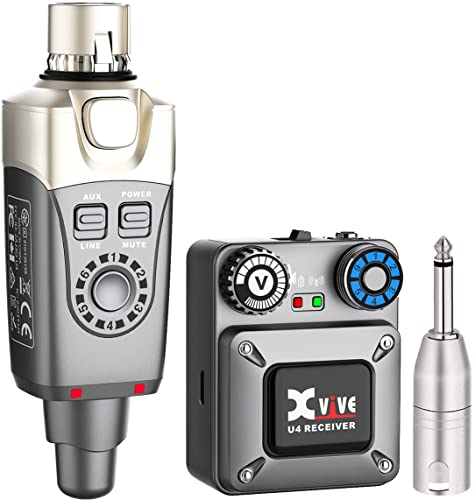
Xvive U4 In Ear Monitor Wireless System Professional
Why We Love It

Linsoul THIEAUDIO HYPE 4 MKII 2DD + 4BA Hybird IEM In Ear
Why We Love It
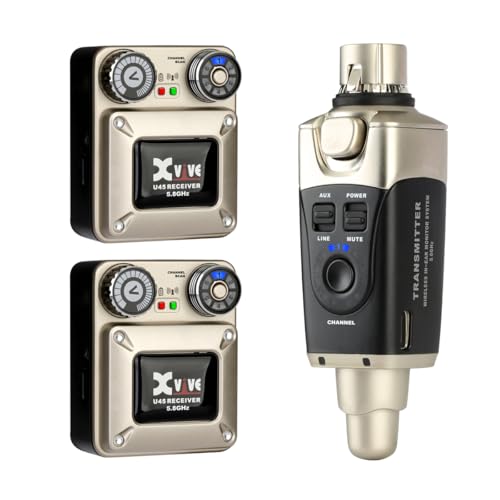
Xvive U45R2 Wireless in Ear Monitor System 5.8ghz IEM System
Why We Love It

M-VAVE SWS-12(WP-12) 1T & 4R Wireless in Ear Monitor System
Why We Love It
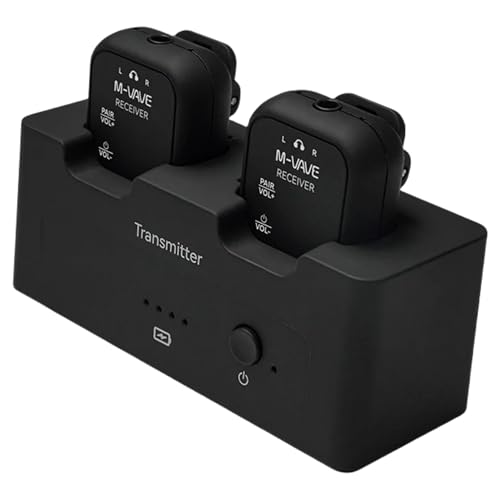
M-VAVE SWS-12(WP-12) Wireless in Ear Monitor System IEM
Why We Love It

LEKATO Wireless in-Ear Monitor MS-20 Charging
Why We Love It
Quick Pick
10 Best Studio Iem Systems Of 2026
Quick Pick
XVive U45 In-Ear Monitor Wireless System, 5.8 GHz, Silver
Behringer PM1, Black, xlr
JOYO Wireless in Ear Monitor System 2.4G Wireless IEM System with Transmitter Clip on Receiver Automatic Pairing in-Ear Monitoring for Studio,Guitar,DJ,Live Performance (JW-07)
Nalacal Wireless In Ear Monitor System, 5.8G Iem System With Transmitter Receiver Earphone Transmission For Computer Phone Sound Card Studio Band Live Performance (Black)
Xvive U4 In Ear Monitor Wireless System Professional Wireless IEM for Studio, Live Performance, and Band Rehearsals
Linsoul THIEAUDIO HYPE 4 MKII 2DD + 4BA Hybird IEM In Ear Monitor, 2Pin
Xvive U45R2 Wireless in Ear Monitor System 5.8ghz IEM System 1 Transmitter and 2 Bodypack Receiver for Studio, Band Rehearsal, Live Performance, Channel Scan Mode
M-VAVE SWS-12(WP-12) 1T & 4R Wireless in Ear Monitor System IEM System 2.4GHz Stereo Low Latency One to More Auto Pairing Wireless Monitoring for Guitar Bass Studio Stage Band
M-VAVE SWS-12(WP-12) Wireless in Ear Monitor System IEM System 2.4GHz Stereo Low Latency One to More Auto Pairing Wireless Monitoring for Guitar Bass Studio Stage Band
LEKATO Wireless in-Ear Monitor MS-20 Charging, 30H Battery Life with Box, 2.4G IEM System 1Transmitter 2 Receivers Auto-Pairing,OTG Support,One to More, in-Ear Monitoring for Studio,Live,Singer,Band
Buying Guide: Studio Iem Systems
📋 Table of Contents
1What driver type offers the best sound for studio monitoring?
Dynamic drivers are common for their balanced sound and durability, while electrostatic or planar magnetic drivers offer superior detail and accuracy. For most studio use, look for models with 10-15mm dynamic drivers for a good mix of clarity and bass response.
2How important is impedance for a studio IEM system?
Impedance affects how much power your IEMs need. Lower impedance (16-32 ohms) works well with phones or laptops, while higher impedance (32 ohms and above) requires a dedicated amplifier for full performance. Match your IEMs to your playback source for optimal sound.
3What isolation level is best for tracking and mixing?
High passive noise isolation (30dB+ NRR) is ideal for studio use, as it blocks external noise and prevents sound leakage. This ensures accurate monitoring and minimizes bleed during recording sessions, especially in untreated spaces.
4Are balanced or unbalanced cables better for studio IEMs?
Balanced cables (4.4mm or XLR) reduce noise and interference over longer distances, making them better for studio setups. Unbalanced cables (3.5mm or 6.35mm) are fine for short runs but may introduce hiss or hum in sensitive environments.
5What accessories are essential for a complete studio IEM system?
A durable carrying case, spare ear tips in multiple sizes, and a 3.5mm to 6.35mm adapter are must-haves. A remote control module for volume and mute adds convenience during live sessions or field recordings.
How we choose
Our editors are people who genuinely love testing and writing about products. We compare each product's real-world usability and strengths, then distill what matters most into our own "Why We Love It" points — so you get an honest, at-a-glance sense of what counts before you buy.