10 Best Studio Compressor Pedals Of 2026
Studio Compressor Pedals — Reviews, Recommendations & Updated Buying Guide November 2026


Universal Audio UAFX 1176 Studio Compressor Pedal
Why We Love It


Universal Audio Teletronix LA-2A Studio Compressor Pedal
Why We Love It

Universal Audio Max Preamp and Dual Compressor Pedal
Why We Love It

Behringer COMPRESSOR/LIMITER CL9 Classic Compressor/Limiter
Why We Love It

Donner Compressor for Electric Guitar
Why We Love It

BOSS BC-1X Next-Generation Intelligent Multi-Band Bass
Why We Love It

Origin Effects Cali76 FET Compressor Pedal
Why We Love It

Boss CP-1X Compressor Pedal
Why We Love It
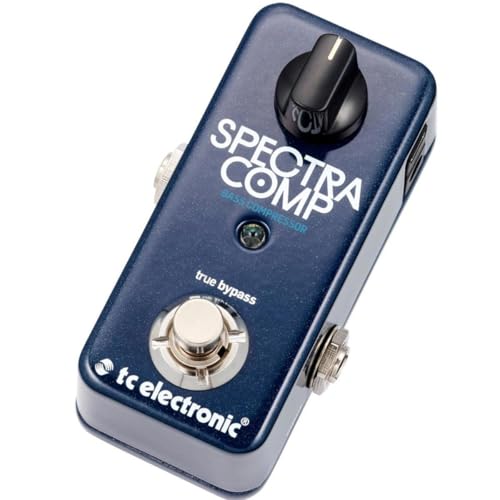
TC Electronic SPECTRACOMP BASS COMPRESSOR Ultra-Compact
Why We Love It

SONICAKE Bass Multi Effects Pedal Preamp Compressor Boost
Why We Love It
Quick Pick
10 Best Studio Compressor Pedals Of 2026
Quick Pick
Universal Audio UAFX 1176 Studio Compressor Pedal
Universal Audio Teletronix LA-2A Studio Compressor Pedal
Universal Audio Max Preamp and Dual Compressor Pedal
Behringer COMPRESSOR/LIMITER CL9 Classic Compressor/Limiter Effects Pedal
Donner Compressor for Electric Guitar, Compression Effect Pedal Ultimate Comp Guitar Effect Pedal
BOSS BC-1X Next-Generation Intelligent Multi-Band Bass Guitar Compressor Pedal
Origin Effects Cali76 FET Compressor Pedal
Boss CP-1X Compressor Pedal
TC Electronic SPECTRACOMP BASS COMPRESSOR Ultra-Compact Multiband Compression Pedal for Bass with Built-In TonePrint Technology
SONICAKE Bass Multi Effects Pedal Preamp Compressor Boost Fuzz Octave Pedal Boom Ave with FX Loop
Buying Guide: Studio Compressor Pedals
📋 Table of Contents
1What compression ratio is best for dynamic control in a studio setting?
A ratio of 4:1 to 6:1 is ideal for most studio tracking and mixing, offering gentle compression for vocals and instruments. Higher ratios (8:1 or more) are better for aggressive limiting or punchy transients, but can squash dynamics if overused.
2Should I prioritize optical or FET compression for my pedal?
Optical compressors deliver smooth, transparent compression with a natural feel, great for vocals and acoustic instruments. FET compressors are faster and more aggressive, adding character and punch, making them ideal for electric guitars and drums. Choose based on the sound you want, not just the price.
3How important is a sidechain filter in a studio compressor pedal?
A high-pass sidechain filter is essential for taming low-end noise and preventing unwanted compression from bass frequencies. It helps maintain clarity in vocal and snare tracks by letting the compressor react only to the desired frequency range.
4What attack and release settings should I look for in a studio pedal?
Look for variable attack (10-1000 microseconds) and release (20-1000 milliseconds) controls to fine-tune how the compressor reacts. Faster attack times are good for taming peaks, while slower release times help maintain a natural, dynamic feel in the mix.
5Are true bypass or buffered outputs more important for a studio setup?
True bypass is preferred for clean signal integrity when the pedal is off, but buffered outputs help maintain signal strength in long pedal chains. For studio use, a buffered output with a high-quality preamp can actually improve tone and reduce noise in complex setups.
How we choose
Our editors are people who genuinely love testing and writing about products. We compare each product's real-world usability and strengths, then distill what matters most into our own "Why We Love It" points — so you get an honest, at-a-glance sense of what counts before you buy.