10 Best Studio Audio Interfaces For Recording Of 2026
Studio Audio Interfaces For Recording — Reviews, Recommendations & Updated Buying Guide November 2026


Focusrite Scarlett Solo 4th Gen USB-C Audio Interface
Why We Love It

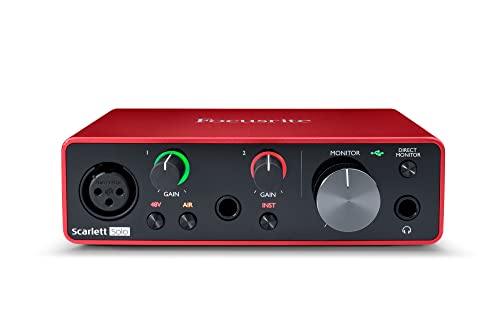
Focusrite Scarlett 3rd Gen Audio Interface
Why We Love It
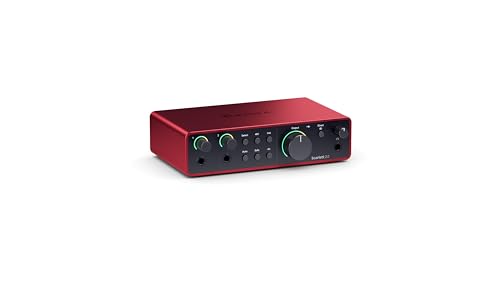
Focusrite Scarlett 2i2 4th Gen USB-C Audio Interface
Why We Love It

PreSonus Studio 2 Mic Pres
Why We Love It

Behringer U-Phoria Studio Pro Complete Recording Bundle With
Why We Love It

Scarlett 2i2 Studio 4th Gen
Why We Love It

Focusrite Scarlett Solo Studio 4th Gen USB-C Audio Interface
Why We Love It
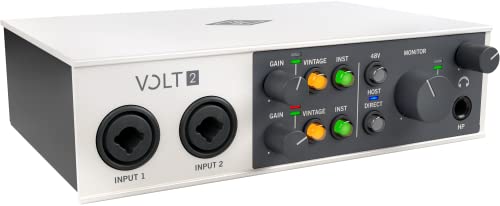
Universal Audio Volt 2 USB Audio Interface
Why We Love It
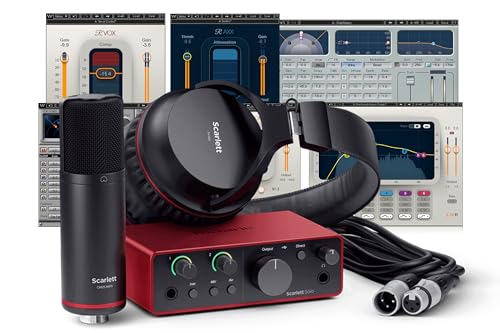
AudioDeluxe Focusrite Scarlett Solo Studio (4th Gen) USB
Why We Love It
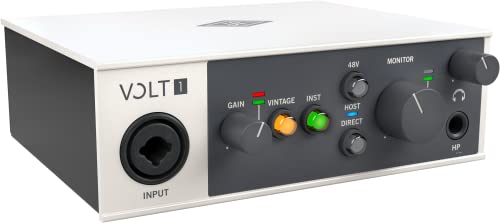
Universal Audio Volt 1 USB Audio Interface
Why We Love It
Quick Pick
10 Best Studio Audio Interfaces For Recording Of 2026
Quick Pick
Focusrite Scarlett Solo 4th Gen USB-C Audio Interface
Focusrite Scarlett 3rd Gen Audio Interface
Focusrite Scarlett 2i2 4th Gen USB-C Audio Interface
PreSonus Studio 2 Mic Pres - Line Outs 24C
Behringer U-Phoria Studio Pro Complete Recording Bundle With High Definition Usb Audio Interface, Condenser Microphone, Headphones And More
Scarlett 2i2 Studio 4th Gen
Focusrite Scarlett Solo Studio 4th Gen USB-C Audio Interface Bundle
Universal Audio Volt 2 USB Audio Interface
AudioDeluxe Focusrite Scarlett Solo Studio (4th Gen) USB Audio Interface and Waves Musicians 2 Bundle
Universal Audio Volt 1 USB Audio Interface
Buying Guide: Studio Audio Interfaces For Recording
📋 Table of Contents
1How many inputs do I actually need for my studio setup?
For solo recording, 2 inputs (1 for mic, 1 for instrument) are usually enough. If you plan to record bands or multiple sources at once, look for 4-8 inputs to avoid overloading your workflow with multiple passes.
2What's the difference between USB and Thunderbolt interfaces?
USB is widely compatible and sufficient for most home studios, while Thunderbolt offers faster data transfer and lower latency, ideal for large sessions with many tracks or high sample rates. Prioritise Thunderbolt if you use a high-end computer and DAW.
3Does preamp quality really affect my recordings?
Yes — high-quality preamps provide cleaner, warmer signal amplification, especially for vocals and acoustic instruments. Look for interfaces with at least 40dB of clean gain and a flat frequency response for accurate sound capture.
4What sample rate and bit depth should I look for?
A minimum of 24-bit depth and 44.1kHz/48kHz sample rate is standard for most recordings. For professional-grade audio, 192kHz and 24-bit support gives you more flexibility in post-production and mastering without quality loss.
5Are phantom power and MIDI support essential for me?
Phantom power (48V) is crucial if you use condenser microphones, while MIDI support is necessary if you work with external synthesizers or controllers. Check if these features are included if your setup includes such gear.
How we choose
Our editors are people who genuinely love testing and writing about products. We compare each product's real-world usability and strengths, then distill what matters most into our own "Why We Love It" points — so you get an honest, at-a-glance sense of what counts before you buy.