10 Best Stewmac Acoustic Guitars Of 2026
Stewmac Acoustic Guitars — Reviews, Recommendations & Updated Buying Guide November 2026

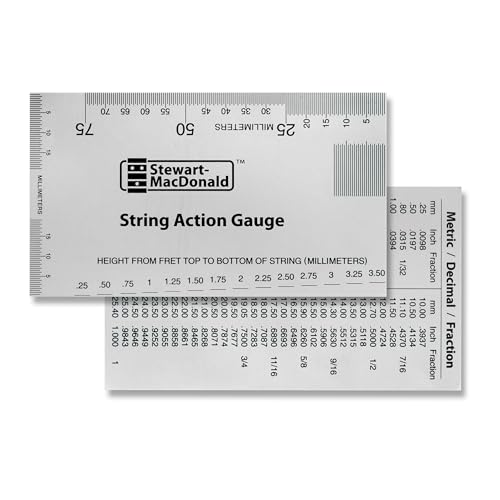
StewMac Metric String Gauge Stainless Steel Pocket Ruler
Why We Love It


StewMac Electric Guitar Neck Shims
Why We Love It

StewMac Gauged Nut Slotting File Set
Why We Love It
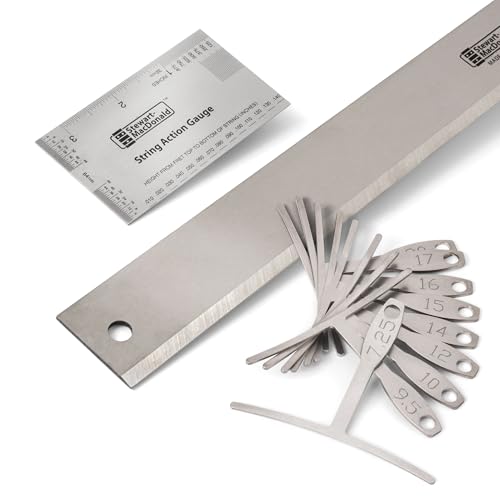
StewMac Basic Guitar Setup Kit
Why We Love It

StewMac Waverly Bone Guitar Bridge Pins with Black Dot Inlay
Why We Love It

StewMac Guitar Soundhole Clamp
Why We Love It

StewMac String Action Gauge and Ruler
Why We Love It
Quick Pick
10 Best Stewmac Acoustic Guitars Of 2026
Quick Pick
StewMac Metric String Gauge Stainless Steel Pocket Ruler
StewMac Electric Guitar Neck Shims, Shaped, Set of 3
StewMac Gauged Nut Slotting File Set, Acoustic Guitar Light/Medium
StewMac Basic Guitar Setup Kit, Inches, 3-Piece Luthier Tools
StewMac Waverly Bone Guitar Bridge Pins with Black Dot Inlay, Slotted, Set of 6
StewMac Guitar Soundhole Clamp, 7" Long with Leveling Screw
StewMac String Action Gauge and Ruler, Inches, Stainless Steel
Buying Guide: Stewmac Acoustic Guitars
📋 Table of Contents
1What body size is best for my playing style?
Full-size dreadnoughts (14-16") offer powerful bass and volume, ideal for strumming and live performance. Smaller 3/4 or 000 models (13" or less) suit travel, fingerpicking, or smaller body types with more comfort and less hand stretch.
2Should I choose a solid or laminated top?
Solid tops (especially spruce or cedar) produce richer, more resonant tones that improve with age, while laminated tops are more durable and stable in humid or dry climates. For casual play, laminated is fine; for tone and investment, go solid.
3What wood combinations affect the sound most?
Spruce tops pair well with rosewood or mahogany backs and sides — rosewood adds warmth and depth, while mahogany delivers a punchier, brighter tone. For a balanced sound, look for spruce-top and mahogany-body guitars; for a vintage feel, go with rosewood.
4How does the neck profile impact playability?
A C-shaped neck is versatile for most players, while a U-shape suits fingerstyle and heavy strumming. Slimmer profiles (like D or V) are easier for smaller hands or fast playing. Test different necks if possible, or look for adjustable truss rods for long-term comfort.
5Are built-in electronics worth the extra cost?
If you plan to amplify your guitar for live or home use, built-in pickups or soundhole systems save you from clunky external mics. Basic piezo systems are affordable and work well for casual gigs, while higher-end systems offer better tone and volume control.
How we choose
Our editors are people who genuinely love testing and writing about products. We compare each product's real-world usability and strengths, then distill what matters most into our own "Why We Love It" points — so you get an honest, at-a-glance sense of what counts before you buy.