10 Best Stereo Audio Interfaces For Streaming Of 2026
Stereo Audio Interfaces For Streaming — Reviews, Recommendations & Updated Buying Guide November 2026


KASTWAVE 4 Channel Mixer for Streaming
Why We Love It


NALACAL Bluetooth 5.2 Receiver
Why We Love It

Kadence KOTG-4 4 Channel Audio Mixer with OTG Recording
Why We Love It

Zoom AMS-22 USB Audio Interface for Recording & Streaming
Why We Love It

Audio Mixer 5 Channel BT Sound DJ Stereo Mixing Console USB
Why We Love It

Universal Audio Volt 276 USB Audio Interface
Why We Love It

M-AUDIO M-Track Solo USB Audio Interface | XLR
Why We Love It
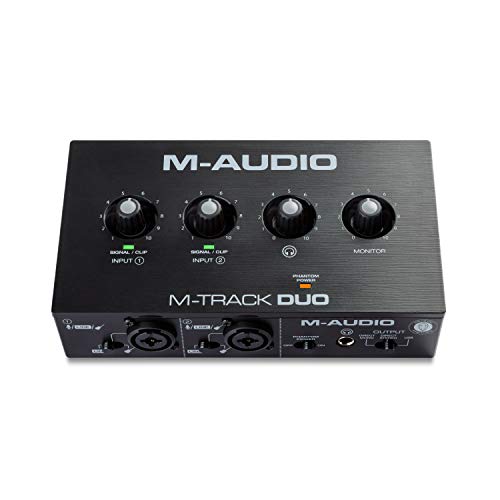
M-AUDIO M-Track Duo USB Audio Interface
Why We Love It

Professional Audio Mixer
Why We Love It
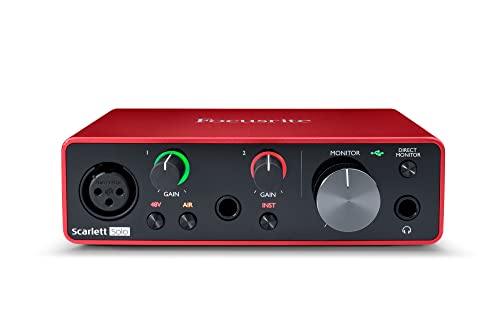
Focusrite Scarlett 3rd Gen Audio Interface
Why We Love It
Quick Pick
10 Best Stereo Audio Interfaces For Streaming Of 2026
Quick Pick
KASTWAVE 4 Channel Mixer for Streaming, Professional Mini 4 Stereo Audio Mixer, Low Noise DJ Mixer, 48V Phantom Power, USB Audio Interface for Podcasting, Live Performance, Recording, DJ, PC
NALACAL Bluetooth 5.2 Receiver, Bluetooth Audio Adapter with NFC, USB, TF Card Slot, 3.5mm AUX/RCA for Home Music Streaming Stereo System
Kadence KOTG-4 4 Channel Audio Mixer with OTG Recording | Podcast, Streaming & Live Sound Mixer | 192kHz/24-Bit USB Audio Interface | USB/BT Playback | 99 DSP Effects with Faders | Black
Zoom AMS-22 USB Audio Interface for Recording & Streaming, 1 In / 2 Out
Audio Mixer 5 Channel BT Sound DJ Stereo Mixing Console USB for Performance Stage Podcasting Recording PC 48V Phantom Power Reverb Effects
Universal Audio Volt 276 USB Audio Interface
M-AUDIO M-Track Solo USB Audio Interface | XLR, Line and DI Inputs, Professional Software Suite for Recording, Streaming, and Podcasting
M-AUDIO M-Track Duo USB Audio Interface
Professional Audio Mixer, Bluetooth Sound Board with XLR interface, Live Sound Card and Stereo Audio Interface, 48V Phantom Power, Voice Changer, for Podcasting, Live sound, recording Studio, Gaming
Focusrite Scarlett 3rd Gen Audio Interface
Buying Guide: Stereo Audio Interfaces For Streaming
📋 Table of Contents
1How many input channels do I actually need for streaming?
For solo streaming, a stereo interface with 2-4 inputs (e.g., 2 mic preamps + line inputs) is usually enough. If you plan to record multiple microphones or instruments simultaneously, look for at least 4-6 inputs to avoid overloading your setup.
2Does preamp quality really affect my stream's sound?
Yes — higher-quality preamps provide cleaner, more detailed audio with less noise, especially important for voice or acoustic instruments. Budget interfaces often use basic preamps that can sound muddy or hissy under close miking.
3What connection type is best for low latency and reliability?
USB 3.0 or Thunderbolt interfaces offer the lowest latency and fastest data transfer, ideal for real-time streaming. USB 2.0 is still acceptable for basic use, but avoid older FireWire or MIDI-only models for modern setups.
4Are phantom power and line inputs necessary for streaming?
Phantom power (48V) is essential if you use condenser microphones, which are popular for streaming due to their clarity. Line inputs are useful for connecting instruments like keyboards or mixers, so check if your interface includes them if you plan to expand your gear later.
5What monitoring features should I look for in a streaming interface?
Direct monitoring (zero-latency playback of your input) is crucial for clear, real-time audio during streams. Also, look for a headphone output with volume control and the ability to route separate monitor mixes for your audience and yourself.
How we choose
Our editors are people who genuinely love testing and writing about products. We compare each product's real-world usability and strengths, then distill what matters most into our own "Why We Love It" points — so you get an honest, at-a-glance sense of what counts before you buy.