10 Best Standard Resin 3d Printer Of 2026
Standard Resin 3d Printer — Reviews, Recommendations & Updated Buying Guide November 2026


ELEGOO 3D Printer Standard UV LCD Resin 1KG
Why We Love It


ELEGOO 3D Printer Standard UV LCD Resin 1KG
Why We Love It

ELEGOO Standard Plant-Based 3D Printer Resin with Low Odor
Why We Love It
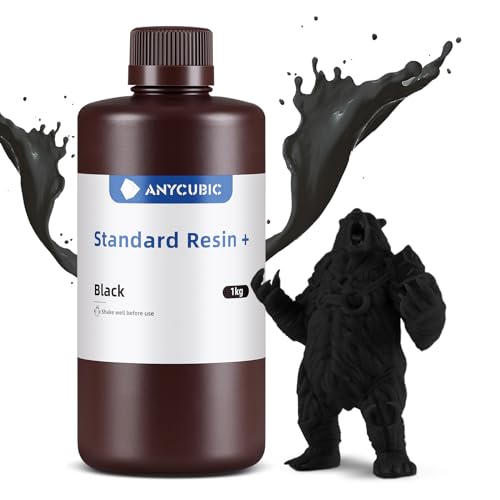
ANYCUBIC Upgraded Standard 3D Printer Resin
Why We Love It

ELEGOO 3D Printer Standard UV LCD Resin 1KG
Why We Love It

ELEGOO 8K High Precision 3D Printer Standard Resin 1KG
Why We Love It

ELEGOO 2.0 ABS-Like 3D Printer Rapid Resin Grey 1000g
Why We Love It
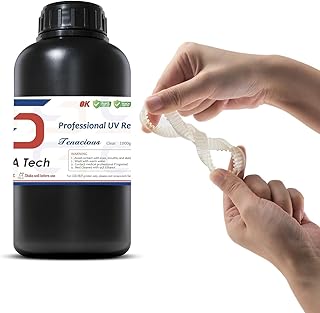
Siraya Tech Tenacious 3D Printer Flexible 405nm UV-Curing
Why We Love It

ELEGOO 3D Rapid Resin LCD UV 405nm Cured
Why We Love It

Siraya Tech Fast ABS-Like 3D Printer Resin Easy to Print
Why We Love It
Quick Pick
10 Best Standard Resin 3d Printer Of 2026
Quick Pick
ELEGOO 3D Printer Standard UV LCD Resin 1KG, Translucent | High Precision and Wide Compatibility, LCD UV-Curing 3D Resin 405nm Standard Photopolymer for LCD MSLA DLP 3D Printing
ELEGOO 3D Printer Standard UV LCD Resin 1KG, Black | High Precision and Wide Compatibility, LCD UV-Curing 3D Resin 405nm Standard Photopolymer for LCD MSLA DLP 3D Printing
ELEGOO Standard Plant-Based 3D Printer Resin with Low Odor and High Precision, 405nm UV Resin, and Quick Curing for LCD/MSLA/DLP 3D Printing - Translucent 2000g
ANYCUBIC Upgraded Standard 3D Printer Resin, Sla 405Nm Fast Uv Curing Resin, High Precision Fast Photopolymer for 3D Printing Lcd/Dlp/Sla with 8K Capacity (Black, 1000G)
ELEGOO 3D Printer Standard UV LCD Resin 1KG, Grey 1000G | High Precision and Wide Compatibility, LCD UV-Curing 3D Resin 405nm Standard Photopolymer for LCD MSLA DLP 3D Printing
ELEGOO 8K High Precision 3D Printer Standard Resin 1KG, Space Grey | Wide Compatibility, LCD UV-Curing 3D Resin 405nm Photopolymer for LCD MSLA DLP 3D Printing
ELEGOO 2.0 ABS-Like 3D Printer Rapid Resin Grey 1000g, LCD UV-Curing Resin 405nm Standard Photopolymer for LCD MSLA DLP 3D Printing
Siraya Tech Tenacious 3D Printer Flexible 405nm UV-Curing Resin with High Impact Resistance Standard Photopolymer Resin for LCD DLP 3D Printing (1000g, Clear)
ELEGOO 3D Rapid Resin LCD UV 405nm Cured, 3D Resin for LCD 3D Printer, Standard Photopolymer Resin with High Precision and Low Shrinkage, Resin 3d Printer (1000g medium slate blue 2.0)
Siraya Tech Fast ABS-Like 3D Printer Resin Easy to Print Non-Brittle High Precision Standard Photopolymer 405nm UV-Curing 8K Resin 3D Print Liquid for LCD DLP 3D Printing (Metal Grey, 1kg) | Easy to Print, Non-Brittle, High Precision, Rapid Photopolymer Resin, Ideal for 8K LCD/DLP 3D Printing
Buying Guide: Standard Resin 3d Printer
📋 Table of Contents
1What resolution (DPI) should I look for in a standard resin 3D printer?
A standard resin printer typically offers 25-50 microns (400-800 DPI) for general use. For finer details like miniatures or jewelry, aim for 25-30 microns. Higher resolution increases print time and may require more frequent cleaning of the LCD or laser system.
2How does build volume affect my printing needs?
Most standard resin printers have a build volume of 100x50x100 mm to 150x150x150 mm. Choose based on your project size — smaller volumes are faster and cheaper, while larger ones suit bigger models but use more resin and take longer to cure.
3What type of light source is better: LCD or laser?
LCD printers are faster and cheaper but may have a shorter LCD lifespan (500-1000 hours). Laser printers offer higher precision and longer life (5000+ hours) but are slower and more expensive. Choose LCD for speed and laser for long-term use and fine details.
4What resin types are compatible with standard resin printers?
Standard printers work with general-purpose resins like standard, tough, or castable. Avoid engineering resins (e.g., high-temperature or flexible) unless your printer is explicitly rated for them. Always check the printer’s max temperature and light source compatibility with the resin type.
5Are enclosed or open-frame printers better for beginners?
Enclosed printers offer better dust protection, easier resin handling, and safer UV light containment, making them ideal for beginners. Open-frame models are cheaper and easier to access but require more care to avoid spills and light exposure.
How we choose
Our editors are people who genuinely love testing and writing about products. We compare each product's real-world usability and strengths, then distill what matters most into our own "Why We Love It" points — so you get an honest, at-a-glance sense of what counts before you buy.