10 Best Sprinkler Pumps Of 2026
Sprinkler Pumps — Reviews, Recommendations & Updated Buying Guide November 2026


Electric Water Pump
Why We Love It


Awroutdoor Submersible Water Pump 25W
Why We Love It
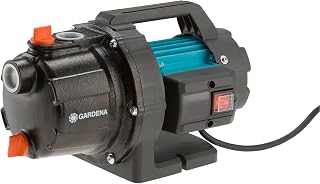
Gardena Garden Pump 3700/4 Basic: Irrigation Pump with 3700
Why We Love It
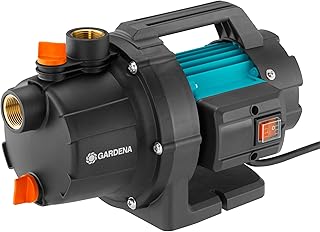
Gardena Garden pump 3000/4 Basic: garden pump with flow rate
Why We Love It
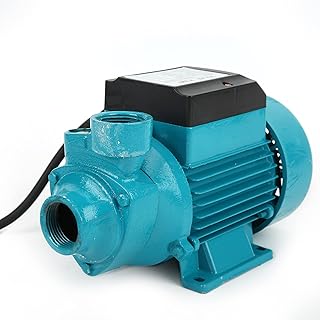
Electric Water Pump
Why We Love It

RUIZHI Aquarium Pump, 35W 2500L/H Outdoor Pond Pump
Why We Love It

Home Water Pressure Booster Pump
Why We Love It
Quick Pick
10 Best Sprinkler Pumps Of 2026
Quick Pick
Electric Water Pump, 180W DC 12V Portable Water Transfer Pump with Unipolar Impeller Motor & 15m Discharge Lift, Quiet Horizontal Single Suction Lawn Sprinkling Pump for Home, Agricultural Irrigation
Awroutdoor Submersible Water Pump 25W, 2000L/H Aquarium Pump for Pond Well Aquarium Garden, Submersible Pump 3 Sprinklers 13mm-16mm-19mm (25W)
Gardena Garden Pump 3700/4 Basic: Irrigation Pump with 3700 l/h Flow Rate, Power 800 W, Durable Thanks to Stainless Steel Shaft, Cast Housing, Sprinkler Connection Possible (9014-47)
Gardena Garden pump 3000/4 Basic: garden pump with flow rate of 3000 l/h, power 600 W, long service life thanks to stainless steel shaft, sprinkler connection possibility (9010-47)
Electric Water Pump, 230W DC 24V Portable Water Transfer Pump with Unipolar Impeller Motor & 25m Discharge Lift, Quiet Horizontal Single Suction Lawn Sprinkling Pump for Home, Agricultural Irrigation
RUIZHI Aquarium Pump, 35W 2500L/H Outdoor Pond Pump, Small Fountain Pump with 3 Sprinklers 13 mm, 16 mm, 19 mm for Pond Fountain Aquarium Garden
Home Water Pressure Booster Pump, DC 24V 180W Pressure Pump, Automatic Water Pressure Booster System, Water Pressure Lift for Sprinkler, Shower, Kitchen, Garden, AC100-240V
Buying Guide: Sprinkler Pumps
📋 Table of Contents
1How do I know what flow rate and pressure I need for my garden?
Check how many sprinkler heads or drip lines you want to run at once, then multiply the flow rate per head (usually 4-8 litres per minute) by the number of heads. For pressure, most garden sprinklers need 2-4 bar, while drip systems work fine at 1-2 bar. If you're unsure, a mid-range pump of 1000-1500 litres per hour handles most residential gardens.
2What's the difference between centrifugal and submersible sprinkler pumps?
Centrifugal pumps sit above ground and pull water from a tank or well, making them easier to maintain but noisier. Submersible pumps go directly into water sources and are quieter with better efficiency, but cost more and are harder to repair. Choose centrifugal for shallow tanks and easy access; go submersible if noise matters or you're drawing from a deep well.
3Should I buy a pump with a pressure tank or smart controller?
A pressure tank smooths out water flow and reduces pump cycling, which extends the pump's life—worth it if you run your system frequently. Smart controllers add convenience by automating schedules based on weather, but they're optional unless you want to save water and reduce manual work. Start with a basic pump and add these features later if needed.
4What power source makes sense—electric or petrol?
Electric pumps are quieter, need less maintenance, and cost less to run, making them ideal for most home gardens. Petrol pumps offer portability and work anywhere without a power outlet, but they're noisier and need regular servicing. Unless your garden is far from electricity or you need to move the pump around, electric is the practical choice.
5How do I measure the distance water needs to travel from pump to garden?
Measure the vertical height (lift) and horizontal distance separately; pressure drops significantly over long distances, so a 50-metre run might need a more powerful pump than you'd expect. If your distance is over 30 metres, consider a larger pump or running multiple zones to maintain adequate pressure at the sprinkler heads. Most suppliers can advise on hose sizing and pump selection once you give them these measurements.
How we choose
Our editors are people who genuinely love testing and writing about products. We compare each product's real-world usability and strengths, then distill what matters most into our own "Why We Love It" points — so you get an honest, at-a-glance sense of what counts before you buy.