10 Best Smart Bracelet Wearable Technology Of 2026
Smart Bracelet Wearable Technology — Reviews, Recommendations & Updated Buying Guide November 2026


M4 Smart Bracelet Wristband Waterproof Sport Smart Watch
Why We Love It


Porodo Trackfit Screenless Smart Fitband & Activity Tracker
Why We Love It

Smart Fitness Tracker Wristband with Heart Rate
Why We Love It

WHOOP 5.0/MG Activity Tracker - 12 Month Membership
Why We Love It

Smart Bracelet, Smart Health Wristband
Why We Love It

Smart Bracelet, Wearable Activity & Fitness Tracker Band
Why We Love It

Smart Bracelet, Wearable Activity & Fitness Tracker Band
Why We Love It

Smart Bracelet, Wearable Activity & Fitness Tracker Band
Why We Love It
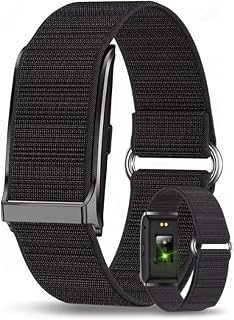
SENECESLI Fitness Tracker for Men and Women
Why We Love It

Denash Wearable Fitness Tracker
Why We Love It
Quick Pick
10 Best Smart Bracelet Wearable Technology Of 2026
Quick Pick
M4 Smart Bracelet Wristband Waterproof Sport Smart Watch Fitness Tracker with Heart Rate Monitor, Blood Pressure Monitor, Message Reminder, Step Counter, Black
Porodo Trackfit Screenless Smart Fitband & Activity Tracker, Bluetooth, Heart Rate & Blood Oxygen Monitor, Sleep Track, IP68 Water Resistant, 30-Day Battery Life, No Subscription Needed - Blue
Smart Fitness Tracker Wristband with Heart Rate, Blood Oxygen & Stress Monitoring, Step Counter, Sleep & Activity Tracker, Waterproof Smart Bracelet with Silicone Strap
WHOOP 5.0/MG Activity Tracker - 12 Month Membership - Health and Fitness Wearable – 24/7 Activity and Sleep Tracker, Personalized Coaching, Menstrual Cycle Insights – 14+ Days Battery Life
Smart Bracelet, Smart Health Wristband, All Weather 24/7 Activity & Fitness Tracker with 2 Bands,170+ Sports Step Calorie Counter, Heart Rate Monitoring, 24H Sleep Tracker Waterproof-Free App (Black)
Smart Bracelet, Wearable Activity & Fitness Tracker Band, 24H Sleep Tracker, All-Day Continuous Heart Rate Blood Pressure Stress HRV Monitor, 173 Sport Modes Smart Wristband with 2 Bands (Black)
Smart Bracelet, Wearable Activity & Fitness Tracker Band, 24H Sleep Tracker, All-Day Continuous Heart Rate Blood Pressure Stress HRV Monitor, 173 Sport Modes Smart Wristband with 2 Bands (Blue/Green)
Smart Bracelet, Wearable Activity & Fitness Tracker Band, 24H Sleep Tracker, All-Day Continuous Heart Rate Blood Pressure Stress HRV Monitor, 173 Sport Modes Smart Wristband with 2 Bands, Free APP
SENECESLI Fitness Tracker for Men and Women, Screenless Smart Bracelet Fitness Band with Activity Tracker & Sleep Monitor, 127 Sports Modes, 10M Water Proof, Super Long Battery Life (Black)
Denash Wearable Fitness Tracker, Multifunctional Smart Bracelet for Men Women, IP68 Waterproof Multiple Sports Modes Smart Wristband for Android & lOS (Gold)
Buying Guide: Smart Bracelet Wearable Technology
📋 Table of Contents
1What battery life should I look for in a smart bracelet?
Opt for models with at least 5-7 days of battery life on a single charge. Shorter lifespans require frequent recharging, which can be inconvenient. Some devices offer quick-charge features that provide a full day of use in 15-30 minutes.
2Which health metrics are most useful in a smart bracelet?
Heart rate, sleep tracking, and step count are standard and highly useful. Additional features like blood oxygen (SpO2) monitoring, stress level detection, and ECG capabilities add value for users focused on overall wellness and early health insights.
3Are there differences between Bluetooth and Wi-Fi smart bracelets?
Bluetooth smart bracelets sync with your phone via a direct connection, which is more common and energy-efficient. Wi-Fi-enabled models can connect to home networks for features like automatic data upload, but they are less common and typically consume more power.
4What water resistance rating is sufficient for daily use?
A minimum of 5ATM (50 meters) water resistance is ideal for daily use, including swimming and showering. Lower ratings like 3ATM (30 meters) are suitable for light splashes but not for submersion or swimming. Always check the manufacturer’s specific guidelines.
5Is a larger screen or more buttons worth the extra cost?
A larger touchscreen can improve usability for navigation and viewing data, but it may compromise battery life and comfort. More physical buttons can offer quicker access to features, but too many can make the device feel cluttered. Balance based on your preferred interaction style and needs.
How we choose
Our editors are people who genuinely love testing and writing about products. We compare each product's real-world usability and strengths, then distill what matters most into our own "Why We Love It" points — so you get an honest, at-a-glance sense of what counts before you buy.