10 Best Slow Release Organic Fertilizer Of 2026
Slow Release Organic Fertilizer — Reviews, Recommendations & Updated Buying Guide November 2026


Slow Release Fertilizer
Why We Love It


Slow Release Plant Fertilizer Stick
Why We Love It

Jobe's Organics 16-2-6 Time Release Fertilizer Spikes for
Why We Love It

Vgrow Controlled Release Fertilizer for Low Maintenance
Why We Love It

Organic Fertilizer Tablets (22Pcs)
Why We Love It

Osmocote Smart-Release Plant Food Plus Outdoor & Indoor1
Why We Love It

NPK Fertilizer 12-12-17
Why We Love It
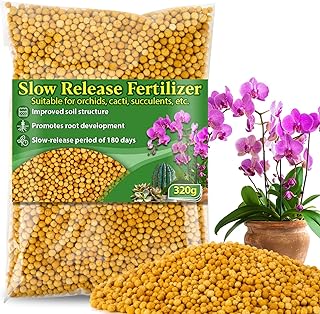
RAINFLOW 11.28 OZ Slow Release Fertilizer
Why We Love It
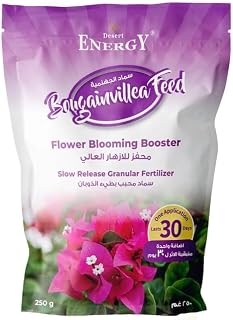
Bougainvillea Feed 250g Best Fertilizer For Flowering
Why We Love It

Gardening Slow-Release Tablet Organic Fertiliser
Why We Love It
Quick Pick
10 Best Slow Release Organic Fertilizer Of 2026
Quick Pick
Slow Release Fertilizer, Organic Plant Food for Indoor & Outdoor Plants, Universal Slow Release Nutrients for Healthy Root Growth, Easy-to-Use Soil Fertilizer
Slow Release Plant Fertilizer Stick, Household Flower Fertilizer, Indoor Plant Food Fertilizer Spikes, Spikes Plant Nutrient for Fruit Trees, Vegetables, Flowers, Medicinal Materials Roots and Tubers
Jobe's Organics 16-2-6 Time Release Fertilizer Spikes for Indoor Palm Plants (Pack of 30)
Vgrow Controlled Release Fertilizer for Low Maintenance Indoor and Outdoor Plants - Feed for 4 Months, 450g
Organic Fertilizer Tablets (22Pcs) - Universal Slow-Release Soil Boost Tablets for Strong Root Growth, Succulents, Vegetables, Fruit, and Trees - Bone Meal Fertilizer for Plants (4 Pcs)
Osmocote Smart-Release Plant Food Plus Outdoor & Indoor1, 2 lb. | Granular, Continuous Release Plant Fertilizer with 11 Essential Nutrients
NPK Fertilizer 12-12-17, All purpose Slow Release Granular Garden Fertilizer for GCC, (1kg) Food for Indoor and Outdoor Plants| Potassium Rich nutrients For veg, trees, grass and plants
RAINFLOW 11.28 OZ Slow Release Fertilizer - 14-14-14 All Purpose for Plants | Organic Plant Food for Succulents Cactus Orchid Bonsai and All Other Plants Outdoor & Indoor Garden Fertilizer
Bougainvillea Feed 250g Best Fertilizer For Flowering Blooming Boster Slow Release Fertilizer
Gardening Slow-Release Tablet Organic Fertiliser, Home Garden Universal Organic Fertiliser Tablets, Fertiliser for Gardening, for Hydrangeas, Onions and Succulents, 3Pcs
Buying Guide: Slow Release Organic Fertilizer
📋 Table of Contents
1What NPK ratio is best for slow release organic fertilizer?
Look for a balanced NPK ratio like 4-4-4 or 5-5-5 for general use, or choose higher nitrogen (e.g., 10-6-4) for lawns and higher phosphorus (e.g., 3-10-3) for flowering plants. The right ratio depends on your soil test and plant needs, as organic fertilizers release nutrients gradually over weeks or months.
2How long does slow release organic fertilizer typically last?
Most slow release organic fertilizers last 3–6 months, depending on the material and environmental conditions. Products made from composted manure or bone meal tend to break down more slowly than those with synthetic coatings. Check the label for a guaranteed analysis and release duration.
3What’s the difference between organic and synthetic slow release fertilizers?
Organic slow release fertilizers improve soil health by feeding microbes and increasing organic matter, while synthetic ones provide quick nutrient availability but can harm soil life over time. Organic options are better for long-term soil fertility, though they may require more frequent applications in high-demand situations.
4What size bag should I buy for my garden?
For a small garden (under 500 sq ft), a 10–20 lb bag is usually sufficient. Larger gardens or lawns may need 40–100 lb bags. Always follow the application rate on the label, as over-application can lead to nutrient runoff and environmental harm.
5Can I use slow release organic fertilizer in potted plants?
Yes, but use half the recommended rate for in-ground use, as potted plants have limited soil volume and nutrients can build up quickly. Choose a fertilizer with a slow-release coating or made from composted materials to avoid over-fertilizing and root burn in containers.
How we choose
Our editors are people who genuinely love testing and writing about products. We compare each product's real-world usability and strengths, then distill what matters most into our own "Why We Love It" points — so you get an honest, at-a-glance sense of what counts before you buy.