10 Best Sky Watcher Telescopes Of 2026
Sky Watcher Telescopes — Reviews, Recommendations & Updated Buying Guide November 2026


Skywatcher Sky Watcher Virtuoso GTI 130P Collapsible
Why We Love It


Sky-Watcher Skymax 102mm Maksutov-Cassegrain
Why We Love It

SkyWatcher S11530 Maksutov-Cassegrain 150mm (Black)
Why We Love It

Sky Watcher Sky-Watcher Skymax 180mm Maksutov-Cassegrain
Why We Love It

Sky-Watcher HAC 125DX Astrograph
Why We Love It

Sky Watcher Quattro 200P Imaging Newtonian
Why We Love It

Sky-Watcher Star Adventurer GTI Mount Kit with Counterweight
Why We Love It

Celestron 31045 AstroMaster 130EQ Newtonian Reflector
Why We Love It

Skywatcher Sky Watcher EvoGuide 50DX
Why We Love It
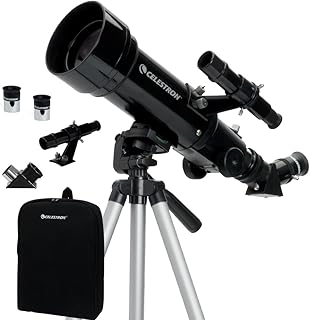
Celestron Travel Scope 70 Portable Refractor Telescope
Why We Love It
Quick Pick
10 Best Sky Watcher Telescopes Of 2026
Quick Pick
Skywatcher Sky Watcher Virtuoso GTI 130P Collapsible Tabletop GoTo Dobsonian Telescope
Sky-Watcher Skymax 102mm Maksutov-Cassegrain - Large Aperture Compound-Style Reflector Telescope
SkyWatcher S11530 Maksutov-Cassegrain 150mm (Black)
Sky Watcher Sky-Watcher Skymax 180mm Maksutov-Cassegrain - Large Aperture Compound-Style Reflector Telescope (S11540)
Sky-Watcher HAC 125DX Astrograph - Honders Advanced Catadioptric Design for Ultrafast F/2, Bright, Widefield Imaging of Deep Space Objects, White (S11250)
Sky Watcher Quattro 200P Imaging Newtonian - Large Aperture 8-inch Reflector Optical Tube for Astrophotography
Sky-Watcher Star Adventurer GTI Mount Kit with Counterweight, CW bar, Tripod, and Pier Extension - Full GoTo EQ Tracking Mount for Portable and Lightweight Astrophotography
Celestron 31045 AstroMaster 130EQ Newtonian Reflector Telescope, Dark Blue
Skywatcher Sky Watcher EvoGuide 50DX – 50mm Guide Scope APO Doublet Refractor – Lightweight Guide Scope – Easy Mounting – 50mm Astrograph
Celestron Travel Scope 70 Portable Refractor Telescope – 70mm Aperture, Fully-Coated Glass Optics – Includes Tripod, Backpack & Software – Ideal for Beginners & Travel
Buying Guide: Sky Watcher Telescopes
📋 Table of Contents
1What aperture size should I choose for a Sky Watcher telescope?
Aperture (the main mirror or lens diameter) directly determines how much light you gather and what you can see—larger apertures show fainter objects and more detail, but are heavier and bulkier. For beginners, 114mm to 150mm reflectors or 70mm to 102mm refractors offer a good balance between performance and portability; serious observers often go for 200mm or larger if they have space and strength to handle the weight.
2What's the difference between Sky Watcher refractor and reflector telescopes?
Refractors use lenses to focus light and are closed tubes that require little maintenance, making them ideal for casual stargazing and viewing the moon and planets. Reflectors use mirrors and are more affordable for larger apertures, giving you more light-gathering power for deep-sky objects, though they need occasional mirror cleaning and realignment.
3How important is the mount when buying a Sky Watcher telescope?
The mount is critical because a poor one will make viewing frustrating—even a quality telescope becomes unusable if it shakes or won't track smoothly. Alt-azimuth mounts (simpler, lighter) are fine for casual viewing, while equatorial mounts are better for longer observation sessions and tracking celestial objects, though they take more setup time.
4Is a GoTo computerized telescope worth the extra cost?
GoTo mounts are worth it if you observe regularly and want to spend time looking rather than searching, as they automatically locate objects once aligned. For occasional use or if you enjoy star-hopping manually, a non-computerized mount will save you money and isn't a limitation.
5What focal length should I look for in a Sky Watcher telescope?
Focal length affects magnification and field of view—shorter focal lengths (f/4 to f/6) give wider views and are better for deep-sky objects, while longer ones (f/10 to f/15) provide higher magnification for planetary detail. Your choice depends on what you want to observe most, but most beginners benefit from moderate focal lengths around f/7 to f/8.
How we choose
Our editors are people who genuinely love testing and writing about products. We compare each product's real-world usability and strengths, then distill what matters most into our own "Why We Love It" points — so you get an honest, at-a-glance sense of what counts before you buy.