10 Best Shure Audio Interfaces Of 2026
Shure Audio Interfaces — Reviews, Recommendations & Updated Buying Guide November 2026


Shure MVX2U Gen 2 Digital Audio Interface
Why We Love It


Universal Audio Volt 276 USB Audio Interface
Why We Love It

Rode RODECaster Pro II Integrated Audio Production Studio
Why We Love It
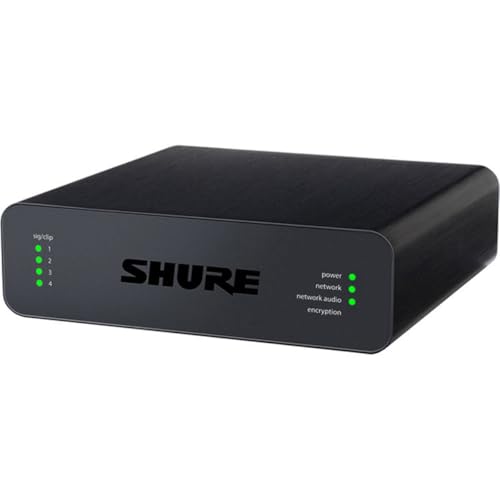
Shure ANI4IN-XLR Audio Network Interface
Why We Love It

Shure SM4 Studio Recording Microphone Kit
Why We Love It

Shure A96F Camcorder Interface
Why We Love It

Shure ANI22-XLR Audio Network Interface
Why We Love It

Shure C129 12-Feet Cable 3-Pin Mini Connector (TA3F) to Male
Why We Love It

Rode RODECaster Pro II Integrated Audio Production Studio
Why We Love It

Shure ANIUSB-MATRIX Audio Network Interface
Why We Love It
Quick Pick
10 Best Shure Audio Interfaces Of 2026
Quick Pick
Shure MVX2U Gen 2 Digital Audio Interface, XLR to USB Adapter for Microphones, For Content Creation & Recording, Digital Audio Processing, Compatible for Mac & Windows Computers, iOS & Android Devices
Universal Audio Volt 276 USB Audio Interface
Rode RODECaster Pro II Integrated Audio Production Studio Console, Bundle with 4x Shure Microphone, Audio-Technica Headphones, H&A Broadcast Arm, Microphone Stand, XLR Cable, 64GB SD
Shure ANI4IN-XLR Audio Network Interface
Shure SM4 Studio Recording Microphone Kit, XLR Home Studio Condenser Mic with Mix-Ready Audio - All-Metal Construction, Includes Detachable Magnetic Pop Filter & Shock Mount (SM4-K-KIT)
Shure A96F Camcorder Interface
Shure ANI22-XLR Audio Network Interface
Shure C129 12-Feet Cable 3-Pin Mini Connector (TA3F) to Male XLR for MX393
Rode RODECaster Pro II Integrated Audio Production Studio Console, Bundle with 4x Shure Microphone, 4x Audio-Technica Headphones, Microphone Stand, H&A XLR Cable, 64GB SD
Shure ANIUSB-MATRIX Audio Network Interface
Buying Guide: Shure Audio Interfaces
📋 Table of Contents
1How many inputs do I actually need for my setup?
For solo recording, 2 inputs (1 mic, 1 instrument) are usually enough. If you plan to record bands or multiple sources at once, look for 4-8 inputs to avoid needing multiple passes or extra gear.
2What's the difference between USB and Thunderbolt interfaces?
USB is standard, portable, and works with most devices, but Thunderbolt offers faster data transfer and lower latency, which is better for large audio projects or high-track-count sessions. Prioritise Thunderbolt if you use a compatible computer and need real-time performance.
3Should I pay more for higher preamp quality?
Yes — better preamps capture cleaner, more detailed sound with less noise, especially important for vocals and acoustic instruments. Look for models with at least 40dB of clean gain and a warm, transparent tone for professional results.
4What sample rate and bit depth should I look for?
A minimum of 44.1kHz and 24-bit depth is standard for CD-quality audio, but 48kHz and 24-bit is better for modern production. Higher rates allow for more detailed recordings and flexibility during mixing and mastering.
5Are phantom power and MIDI support essential?
Phantom power (48V) is needed for condenser mics, so it's a must if you use them. MIDI support lets you connect keyboards or controllers, which is useful for producers or hybrid setups. Check if your interface includes both for future-proofing.
How we choose
Our editors are people who genuinely love testing and writing about products. We compare each product's real-world usability and strengths, then distill what matters most into our own "Why We Love It" points — so you get an honest, at-a-glance sense of what counts before you buy.