10 Best Sensory Crash Pads Of 2026
Sensory Crash Pads — Reviews, Recommendations & Updated Buying Guide November 2026


SaferBounce Crash Pad for Kids Sensory
Why We Love It

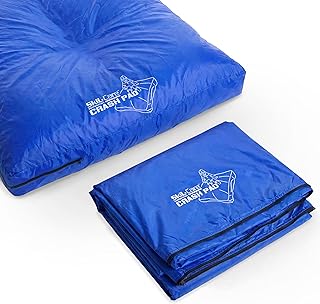
Skil-Care 5’ x 5’ Cover Replacement for Crash Pad
Why We Love It

Sensory Floor Tiles for Kids Toddlers: 12"x12" Liquid
Why We Love It

Crash Pad for Kids Sensory Room
Why We Love It

Foamma Crash Pad
Why We Love It

Givjoy Crash Pad for Kids Sensory Room
Why We Love It

Sensory Crash Pad for Kids
Why We Love It

Foamma Crash Pad – (48’’ X 48’’) (4 Ft X 4 Ft) Charcoal
Why We Love It

Crash Pad for Kids Sensory Room
Why We Love It

Foamma Crash Pad
Why We Love It
Quick Pick
10 Best Sensory Crash Pads Of 2026
Quick Pick
SaferBounce Crash Pad for Kids Sensory | Big 5Ft x 5Ft Or 3Ft x 4Ft | Autism Sensory Crash Mat for Jumping & Play | Crashpad | Soft Foam Landing Pad for Kids | Giant Pillow Mat | Climbing & Gymnastics
Skil-Care 5’ x 5’ Cover Replacement for Crash Pad, Durable and Safe, Machine-Washable, Cover Only, Accessory Protective Shell, Re-Order Part, Blue, 914782
Sensory Floor Tiles for Kids Toddlers: 12"x12" Liquid Sensory Mats Puzzle Pads, Colorful Autism Sensory Play Mat for Dancing Stepping Lava Tile Games, Daycare Sensory Room Preschool Must Have(4 Pack)
Crash Pad for Kids Sensory Room, Extra Thick Foam Crash Mat with Washable Removable Cover, Non-Slip Play Mat with Handle fo Calming Corner, Gym, Play Room, Living Room
Foamma Crash Pad - Sensory Pad with Foam Blocks for Kids and Adults with Extreme Comfortable Fabric and Washable Cover, Ideal for Kids to Jump, Play or Relax
Givjoy Crash Pad for Kids Sensory Room, Extra Thick Foam Crash Mat with Washable Removable Cover, Non-Slip Play Mat with Handle for Calming Corner, Gym, Play Room, Living Room (Blue,36"x48")
Sensory Crash Pad for Kids, Autism Crash Mat for Jumping, Climbing&Playing
Foamma Crash Pad – (48’’ X 48’’) (4 Ft X 4 Ft) Charcoal – Sensory Crash Pad with Foam Blocks for Autistic Kids, Soft Fabric & Washable Cover – Ideal for Kids and Adults to Jump, Play, or Relax
Crash Pad for Kids Sensory Room, Extra Thick Foam Crash Mat with Washable Removable Cover, Non-Slip Play Mat with Handle fo Calming Corner, Gym, Play Room, Living Room
Foamma Crash Pad, Sensory Pad with Foam Blocks for Kids and Adults with Water-Resistant and Washable Cover
Buying Guide: Sensory Crash Pads
📋 Table of Contents
1What size crash pad is best for different age groups?
For toddlers, look for crash pads around 24-30 inches in diameter to provide adequate cushioning without being too large. Preschoolers may benefit from 30-36 inch pads, while larger children or adults should consider 36-48 inch pads for full-body support and impact absorption.
2What materials are safest and most durable for sensory crash pads?
High-density foam or memory foam with a non-toxic, washable cover is ideal for safety and longevity. Avoid pads with PVC or phthalates, and look for certifications like OEKO-TEX or CPSIA compliance to ensure they’re safe for sensory play and repeated use.
3How does the firmness of a crash pad affect its use?
Softer pads are better for younger children or those with sensory sensitivities, offering a gentler impact. Firmer pads are more suitable for older kids or adults seeking a deeper rebound. Look for adjustable firmness options if possible, or choose a pad with a medium density for general use.
4What features should I look for in a crash pad for sensory therapy?
Look for crash pads with a non-slip base, easy-to-clean surfaces, and a shape that allows for multiple positions — like a dome or rounded rectangle. Pads with a textured or tactile surface can enhance sensory input, and those with a quiet, low-rebound design are better for indoor use or therapy sessions.
5Are there common mistakes to avoid when buying a sensory crash pad?
Avoid overly cheap, low-density foam pads that may compress or lose shape quickly. Also, don’t overlook the weight — a pad that’s too light may not provide enough resistance, while one that’s too heavy can be difficult to move. Always check for proper padding thickness, typically 4-6 inches for optimal cushioning and safety.
How we choose
Our editors are people who genuinely love testing and writing about products. We compare each product's real-world usability and strengths, then distill what matters most into our own "Why We Love It" points — so you get an honest, at-a-glance sense of what counts before you buy.