10 Best Seismic Audio Snake Cables Of 2026
Seismic Audio Snake Cables — Reviews, Recommendations & Updated Buying Guide November 2026


Seismic Audio, SAXT-8x15F
Why We Love It


Seismic Audio - 8 Channel XLR Snake Cable - 10 Feet Long
Why We Love It

Seismic Audio Speakers 8 Channel Snake Cables
Why We Love It

Seismic Audio SACB-6x25 6-Channel Low Profile XLR Send Sub
Why We Love It

Seismic Audio 12 Channel 1/4" TRS Snake Cable - 5 Feet Long
Why We Love It

Seismic Audio
Why We Love It

Seismic Audio, SAXT-16x5F
Why We Love It

Seismic Audio SACB-24x8x100 24-Channel XLR Low Profile
Why We Love It

Seismic Audio
Why We Love It
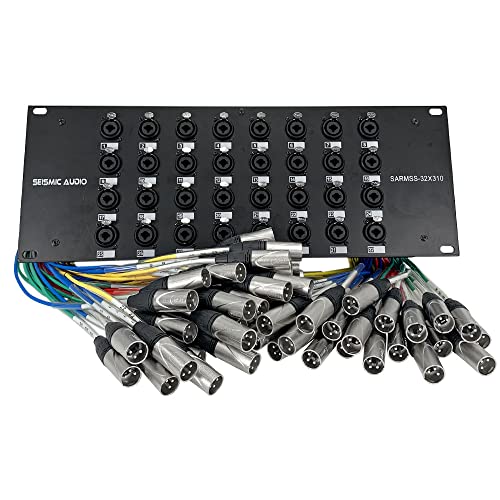
Seismic Audio SARMSS-32x310-32 Channel XLR TRS Combo
Why We Love It
Quick Pick
10 Best Seismic Audio Snake Cables Of 2026
Quick Pick
Seismic Audio - SAXT-8x15F - 8 Channel 15' XLR Female to 1/4" TRS Snake Cable
Seismic Audio - 8 Channel XLR Snake Cable - 10 Feet Long - Pro Audio Snake for Live Live, Recording, Studios, and Gigs - Patch, Amp, Mixer, Audio Interface 10'
Seismic Audio Speakers 8 Channel Snake Cables, 5’ XLR Female To ¼” TRS Snake Cable
Seismic Audio SACB-6x25 6-Channel Low Profile XLR Send Sub Snake Cable, 25-Feet
Seismic Audio 12 Channel 1/4" TRS Snake Cable - 5 Feet Long - Serviceable Ends - Pro Effects Snake for Live Live, Recording, Studios, and Gigs - Patch, Amp, Mixer, Interface 5'
Seismic Audio - SARMSS-32x1515-32 Channel XLR TRS Combo Splitter Snake Cable - two 15' XLR trunks
Seismic Audio - SAXT-16x5F - 16 Channel 5' XLR Female to 1/4" TRS Snake Cable
Seismic Audio SACB-24x8x100 24-Channel XLR Low Profile Circuit Board 100-Feet Snake Cable
Seismic Audio - SAJLP-12x4x50-12 Channel 50 Foot XLR Low Profile Snake Cable with 4 TRS Returns - Circuit Board Snake for Recording, Stage, Studio PA DJ use
Seismic Audio SARMSS-32x310-32 Channel XLR TRS Combo Splitter Snake Cable - 3' and 10' XLR Trunks
Buying Guide: Seismic Audio Snake Cables
📋 Table of Contents
1What length should I look for in a snake cable?
Snake cables typically range from 10 to 50 feet, with 25 feet being the most common for most setups. Choose a longer cable if you need flexibility for large spaces, but keep in mind that longer cables may be harder to manage and more prone to tangling when not in use.
2How many channels do I need for my setup?
Most snake cables have between 16 and 32 channels, with 24 being a popular middle ground. If you're running multiple microphones or instruments, ensure the cable has enough channels to avoid overloading or needing a second cable, which can complicate your setup.
3What’s the difference between balanced and unbalanced snake cables?
Balanced cables use three-conductor wiring to reduce noise and interference, making them ideal for long runs and professional environments. Unbalanced cables are more affordable but are better suited for short distances and low-noise environments to avoid signal degradation.
4Should I prioritize XLR or 1/4-inch connectors?
XLR connectors are standard for microphones and offer a secure, balanced connection, while 1/4-inch connectors are common for instruments and line-level devices. Choose based on your equipment — some snake cables include a mix of both for versatility in multi-source setups.
5What’s the best way to store a snake cable to avoid damage?
Always coil the cable loosely and avoid tight bends that can kink the internal wiring. Use a cable tree or storage bag to keep it organized, and never store it while it’s under tension. Proper storage extends the cable’s lifespan and prevents signal issues from physical damage.
How we choose
Our editors are people who genuinely love testing and writing about products. We compare each product's real-world usability and strengths, then distill what matters most into our own "Why We Love It" points — so you get an honest, at-a-glance sense of what counts before you buy.