10 Best Seagate Expansion Of 2026
Seagate Expansion — Reviews, Recommendations & Updated Buying Guide November 2026


Seagate Expansion Portable, 5TB
Why We Love It


Seagate Expansion Portable HDD 2.5" USB3 2TB External / USB
Why We Love It
Seagate Expansion Portable, 1TB
Why We Love It

Seagate Expansion 8TB External Hard Drive HDD - USB 3.0
Why We Love It
Seagate Expansion 24TB External Hard Drive HDD - USB 3.0
Why We Love It
Seagate Expansion Desktop 20TB
Why We Love It
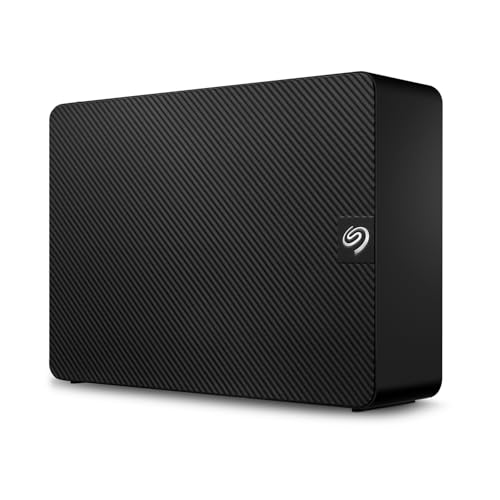
Seagate 12TB Expansion Desktop USB 3.0 External Hard Drive
Why We Love It
Seagate Expansion Desktop 28TB External Hard Drive USB 3.0
Why We Love It
Seagate Expansion 16TB Desktop External HDD 3.5 Inch USB 3.0
Why We Love It

Seagate Expansion Card Xbox Series X|S 2 TB SSD
Why We Love It
Quick Pick
10 Best Seagate Expansion Of 2026
Quick Pick
Seagate Expansion Portable, 5TB, External Hard Drive, 2.5 Inch, USB 3.0, for Mac and PC (STKM5000400)
Seagate Expansion Portable HDD 2.5" USB3 2TB External / USB Powered - STKM2000400
Seagate Expansion Portable, 1TB, External Hard Drive, 2.5 Inch, USB 3.0, for Mac and PC (STKM1000400)
Seagate Expansion 8TB External Hard Drive HDD - USB 3.0, with Rescue Data Recovery Services (STKP8000400)
Seagate Expansion 24TB External Hard Drive HDD - USB 3.0, with Rescue Data Recovery Services (STKP24000400)
Seagate Expansion Desktop 20TB, External Hard Drive, USB 3.0, Data Rescue Service, STKP20000400 | Desktop HDD for easy backup, plug-and-play, drag-and-drop, auto detects Windows & Mac. 2-Year Warranty + 2-Year Rescue
Seagate 12TB Expansion Desktop USB 3.0 External Hard Drive
Seagate Expansion Desktop 28TB External Hard Drive USB 3.0 Plug & Play, Compatible with Windows & Mac – STKP28000400
Seagate Expansion 16TB Desktop External HDD 3.5 Inch USB 3.0 for Windows and Mac Hard Drive (STKP16000400)
Seagate Expansion Card Xbox Series X|S 2 TB SSD, NVMe-Expansion-SDD for Xbox Series X|S, Modellnr.: STJR2000400
Buying Guide: Seagate Expansion
📋 Table of Contents
1What storage capacity do I actually need?
For most users, 1-2TB is sufficient for files, photos, and media. If you work with large video files or need backups, 4TB or more is better. Consider how much data you have now and how fast it will grow over time.
2Should I choose USB 3.0, USB-C, or Thunderbolt?
USB 3.0 is widely compatible and fast enough for most tasks. USB-C is future-proof and supports faster speeds, while Thunderbolt is ideal for professionals needing ultra-fast transfers. Match the port type to your device and speed needs.
3Is an SSD-based external drive worth the extra cost?
Yes, if you need faster access to files and better durability. SSDs are much quicker than traditional HDDs and have no moving parts, making them less prone to damage. However, they are more expensive per gigabyte and often come in smaller capacities.
4What’s the difference between portable and desktop external drives?
Portable drives are compact, battery-free, and ideal for on-the-go use, while desktop drives are larger, often require external power, and offer higher storage and faster performance. Choose based on your mobility and usage needs.
5Do I need a drive with built-in backup software?
It can be helpful for automatic backups, especially for beginners. However, most operating systems already include backup tools, so a drive with software is a bonus, not a necessity. Check if the software is compatible with your system before buying.
How we choose
Our editors are people who genuinely love testing and writing about products. We compare each product's real-world usability and strengths, then distill what matters most into our own "Why We Love It" points — so you get an honest, at-a-glance sense of what counts before you buy.