10 Best Samson Microphones Of 2026
Samson Microphones — Reviews, Recommendations & Updated Buying Guide November 2026


Samson C01 Large-Diaphragm Cardioid Condenser Microphone
Why We Love It


Samson Q2U Handheld Dynamic USB Microphone Recording and
Why We Love It

SAMSON G-Track Pro Professional USB Condenser Microphone
Why We Love It

SAMSON Go Mic Clip-On USB Microphone
Why We Love It

Samson C01U Pro, USB Studio Condenser Microphone
Why We Love It
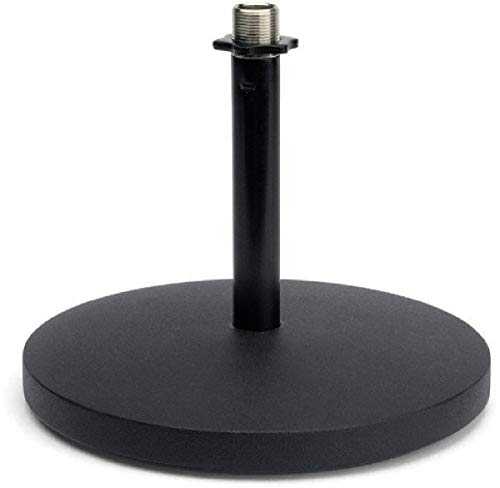
Samson Md5 Desktop Microphone Stand
Why We Love It

SAMSON Q9U XLR/USB Dynamic Broadcast Microphone
Why We Love It

Samson Meteor Mic
Why We Love It

Samson Q2U Handheld Dynamic USB Microphone Recording and
Why We Love It

Samson MK-10 Microphone Boom Stand
Why We Love It
Quick Pick
10 Best Samson Microphones Of 2026
Quick Pick
Samson C01 Large-Diaphragm Cardioid Condenser Microphone, Wired
Samson Q2U Handheld Dynamic USB Microphone Recording and Podcasting Pack
SAMSON G-Track Pro Professional USB Condenser Microphone with Audio Interface
SAMSON Go Mic Clip-On USB Microphone
Samson C01U Pro - USB Studio Condenser Microphone
Samson Md5 Desktop Microphone Stand
SAMSON Q9U XLR/USB Dynamic Broadcast Microphone
Samson Meteor Mic - Portable USB Studio Quality Condenser Microphone - High Performance, General Purpose/Podcast/Gaming/Music Recording Microphone, 16-bit, 44.1/48kHz resolution, Silver Chrome
Samson Q2U Handheld Dynamic USB Microphone Recording and Podcasting Pack (Black)
Samson MK-10 Microphone Boom Stand
Buying Guide: Samson Microphones
📋 Table of Contents
1What microphone type is best for my use?
Dynamic mics are durable and ideal for loud sources like vocals or instruments; condenser mics offer higher sensitivity and clarity, perfect for studio vocals or acoustic instruments. Ribbon mics are warm but fragile, best for controlled environments like studios.
2What pickup pattern should I look for?
Cardioid mics focus on the front and reject side noise, great for vocals or solo instruments. Omnidirectional mics capture sound from all directions, useful for ambient recordings. Bidirectional mics pick up from front and back, ideal for interviews or duets.
3How important is frequency response range?
A range of 20Hz–20kHz covers the full audible spectrum, but for vocals, 80Hz–15kHz is often sufficient. Look for a smooth curve without peaks or dips to avoid unnatural tonal coloration or muddiness.
4What accessories are essential for good sound?
A shock mount reduces handling noise, and a pop filter softens plosives for clearer vocals. A mic stand with height adjustment and a windscreen are also crucial for consistent positioning and noise control in any environment.
5Is a USB or XLR connection better for me?
USB mics are plug-and-play, great for podcasting or streaming without extra gear. XLR mics require an audio interface but offer higher quality and flexibility for professional setups or studio use.
How we choose
Our editors are people who genuinely love testing and writing about products. We compare each product's real-world usability and strengths, then distill what matters most into our own "Why We Love It" points — so you get an honest, at-a-glance sense of what counts before you buy.