10 Best Salomon Trail Runners Of 2026
Salomon Trail Runners — Reviews, Recommendations & Updated Buying Guide November 2026

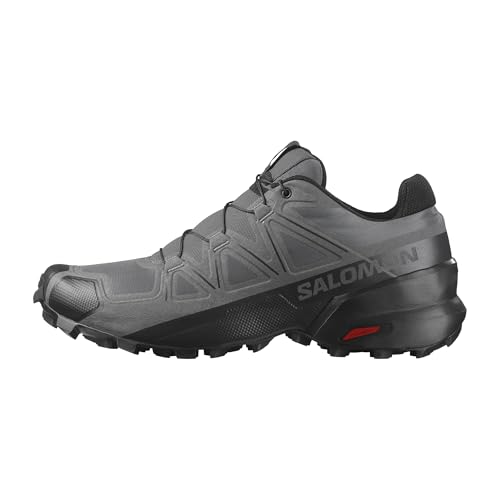
Salomon Men’s Speedcross Trail Running Shoes
Why We Love It


Salomon Men's XA PRO 3D Trail Running and Hiking Shoe
Why We Love It

SALOMON Speedcross Peak mens Hiking shoe
Why We Love It

Salomon Men's Running Shoes
Why We Love It

SALOMON Speedcross Peak Climasalomon Waterproof mens Hiking
Why We Love It

Salomon Men's Speedcross 6 GTX Trail Running Shoes
Why We Love It

Salomon mens Classic, Black/Black/Phantom
Why We Love It

SALOMON Speedcross Gore-Tex mens Hiking shoe
Why We Love It

Salomon XA PRO 3D Hiking Shoes
Why We Love It

Salomon Reelax Break 6.0 Men's Recovery Shoes
Why We Love It
Quick Pick
10 Best Salomon Trail Runners Of 2026
Quick Pick
Salomon Men’s Speedcross Trail Running Shoes - Magnet/Black/Magnet - 10
Salomon Men's XA PRO 3D Trail Running and Hiking Shoe
SALOMON Speedcross Peak mens Hiking shoe
Salomon Men's Running Shoes, gray, 43 1/3 EU
SALOMON Speedcross Peak Climasalomon Waterproof mens Hiking shoe
Salomon Men's Speedcross 6 GTX Trail Running Shoes, Grisaille, 44 EU
Salomon mens Classic, Black/Black/Phantom, 38 EU
SALOMON Speedcross Gore-Tex mens Hiking shoe
Salomon XA PRO 3D Hiking Shoes, Men
Salomon Reelax Break 6.0 Men's Recovery Shoes, Cushioned Stride, Seamless Foothold, and Lightweight, Black, 9.5, Black Black Alloy, 44 EU
Buying Guide: Salomon Trail Runners
📋 Table of Contents
1What drop should I look for in trail running shoes?
A 6-10mm drop is common for trail running, offering a balance between natural foot positioning and heel cushioning. Lower drops (4-6mm) suit minimalist runners, while higher drops (10-12mm) provide more heel support for long-distance or hilly trails.
2How much cushioning do I actually need?
Look for 15-25mm of stack height for a balance of comfort and responsiveness. More cushioning (25-35mm) is better for long runs or rocky terrain, while less (10-15mm) suits faster, technical trails where ground feel is key.
3What outsole material is best for trail grip?
Rubber with a durometer of 50-65 Shore A offers the best grip on wet or loose terrain. Look for multi-directional lugs 4-6mm tall for mud and roots, and a more rigid pattern for rocky surfaces to prevent slippage.
4Are waterproof trail shoes always better?
Waterproof membranes like ePTFE keep feet dry in wet conditions but can reduce breathability. For hot or humid climates, opt for breathable, water-resistant shoes with quick-drying uppers to avoid overheating and blisters.
5What should I look for in the upper material?
A mix of mesh and synthetic overlays offers breathability and support. Reinforced toe caps and gusseted tongues prevent debris from entering, while a snug, padded tongue and collar help avoid blisters on long runs over rough terrain.
How we choose
Our editors are people who genuinely love testing and writing about products. We compare each product's real-world usability and strengths, then distill what matters most into our own "Why We Love It" points — so you get an honest, at-a-glance sense of what counts before you buy.