10 Best Salomon Speedcross Trail Running Shoes Of 2026
Salomon Speedcross Trail Running Shoes — Reviews, Recommendations & Updated Buying Guide November 2026

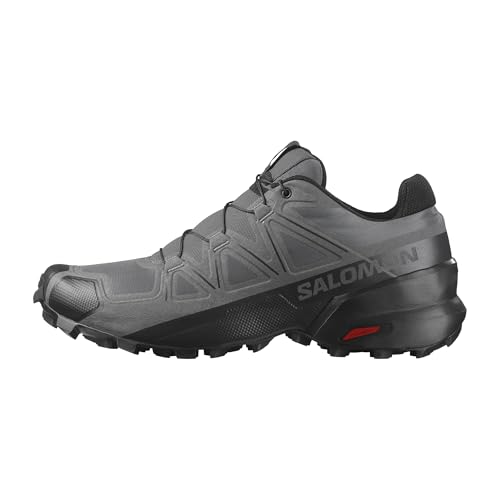
Salomon Men’s Speedcross Trail Running Shoes
Why We Love It


SALOMON Speedcross Gore-Tex mens Hiking shoe
Why We Love It

Salomon Men's Speedcross 6 GTX Trail Running Shoes
Why We Love It
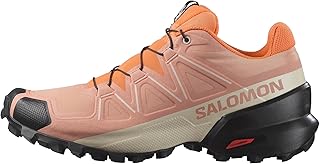
Salomon Women's Speedcross Trail Running Shoes
Why We Love It

SALOMON Speedcross Peak womens Hiking shoe
Why We Love It

SALOMON Speedcross 6 mens Sneaker
Why We Love It

SALOMON Speedcross Peak Climasalomon Waterproof mens Hiking
Why We Love It

Salomon Men's Running Shoes
Why We Love It

SALOMON Speedcross Gore-tex mens Trail Running
Why We Love It

Salomon Men’s Speedcross Peak Trail Running Shoes
Why We Love It
Quick Pick
10 Best Salomon Speedcross Trail Running Shoes Of 2026
Quick Pick
Salomon Men’s Speedcross Trail Running Shoes - Magnet/Black/Magnet - 10
SALOMON Speedcross Gore-Tex mens Hiking shoe
Salomon Men's Speedcross 6 GTX Trail Running Shoes, Grisaille, 44 EU
Salomon Women's Speedcross Trail Running Shoes
SALOMON Speedcross Peak womens Hiking shoe
SALOMON Speedcross 6 mens Sneaker
SALOMON Speedcross Peak Climasalomon Waterproof mens Hiking shoe
Salomon Men's Running Shoes, gray, 43 1/3 EU
SALOMON Speedcross Gore-tex mens Trail Running
Salomon Men’s Speedcross Peak Trail Running Shoes, Black/Black Forest/Rainy Day, 8.5
Buying Guide: Salomon Speedcross Trail Running Shoes
📋 Table of Contents
1What tread depth is best for different trail conditions?
Look for 4-5mm treads for mixed terrain and light trails, while 6-8mm or more is better for loose, muddy, or rocky paths. Deeper lugs offer more grip but can slow you down on packed surfaces or pavement.
2How important is a rock plate or midsole protection?
A rock plate shields your foot from sharp debris and uneven ground, especially on technical trails. It adds weight and stiffness, so choose it if you run on rough terrain more than 50% of the time.
3What drop should I choose for trail running?
A 6-10mm drop suits most trail runners, offering a balance of natural foot positioning and heel protection. Lower drops (4-6mm) may suit experienced runners, while higher drops (10-12mm) can help with impact on rocky trails.
4How much cushioning do I need in trail shoes?
Light cushioning (15-25mm stack height) is ideal for technical trails, giving responsiveness and ground feel. Heavier cushioning (30mm+) is better for long-distance runs on smoother trails, but may feel too soft for technical terrain.
5Are gaiters or water-resistant uppers worth it?
Water-resistant uppers keep your feet dry in light rain or wet trails, but not fully waterproof. Gaiters are better for deep mud or snow, but can restrict movement. Choose based on your typical trail conditions and how often you encounter water or debris.
How we choose
Our editors are people who genuinely love testing and writing about products. We compare each product's real-world usability and strengths, then distill what matters most into our own "Why We Love It" points — so you get an honest, at-a-glance sense of what counts before you buy.