10 Best Rubber Mallets Of 2026
Rubber Mallets — Reviews, Recommendations & Updated Buying Guide November 2026


Amazon Basics Club Hammer with Fibreglass Handle
Why We Love It

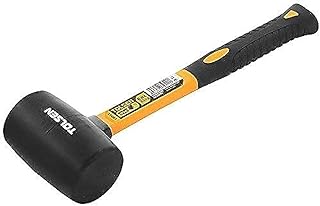
Tolsen - Rubber Mallet
Why We Love It

WULF Rubber Mallet 8 oz
Why We Love It

BOOSDEN Double-Faced Soft Hammer Mallet
Why We Love It

ValueMax 450g/16oz Rubber Mallet
Why We Love It

White Rubber Mallet 24oz
Why We Love It

TOTAL Rubber Mallet 8oz
Why We Love It

Tolsen - Rubber Mallet
Why We Love It
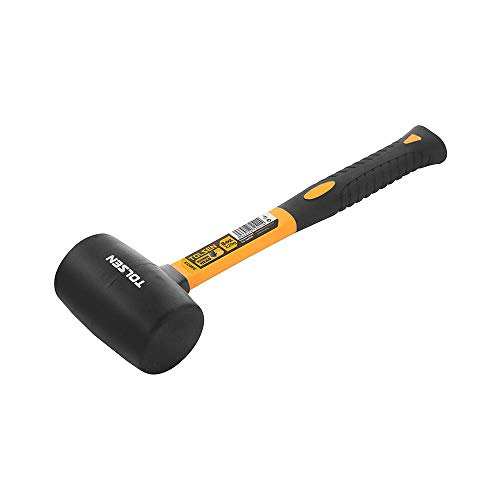
Tolsen Rubber Mallet 675G
Why We Love It

Small Rubber Mallet Hammer Tool
Why We Love It
Quick Pick
10 Best Rubber Mallets Of 2026
Quick Pick
Amazon Basics Club Hammer with Fibreglass Handle, 450g, Black
Tolsen - Rubber Mallet,25035,450G/16Oz
WULF Rubber Mallet 8 oz | Non Marring Striking Tool for Workshop and DIY
BOOSDEN Double-Faced Soft Hammer Mallet, Rubber Hammer, Soft Hammer for Home Decoration Installation Hand Tool, 25mm | Nylon Hammer for Home Upholstery Craft Jewelry Woodworking Flooring Installation
ValueMax 450g/16oz Rubber Mallet, Solid Rubber Head with Fiberglass Handle | Shock-Absorbing Rubber Head, Non-Marring Strikes, Fiberglass Shaft, Soft Grip, Secure Head Attachment
White Rubber Mallet 24oz, Rubber Mallet Hammer, Fiberglass Handle, Double-faced Solid Rubber Head - Soft, Nonslip, Durable Rubber Grip, Mallet for Construction, Wood, Upholstery and Automotive Work
TOTAL Rubber Mallet 8oz - 220g (Hard Type)
Tolsen - Rubber Mallet,25038,900G/32Oz
Tolsen Rubber Mallet 675G
Small Rubber Mallet Hammer Tool, Double-Face Hammer, Small Rubber Mallet, Rubber Hammer for Vinyl Flooring, Tile, Crafts, Jewelry Making
Buying Guide: Rubber Mallets
📋 Table of Contents
1What size rubber mallet should I buy for general use?
For most household and light workshop tasks, a 16oz to 24oz mallet is ideal—heavy enough to drive without excessive swinging, but light enough for control. If you're doing heavier work like breaking concrete or moving large tiles, step up to 32oz or more.
2What's the difference between rubber and plastic mallets?
Rubber mallets are softer and absorb more impact, making them better for delicate work and less likely to bounce back. Plastic mallets are harder, cheaper, and last longer on heavy-duty jobs but can damage surfaces more easily.
3How do I know if a rubber mallet head is wearing out?
Check for cracks, chunks missing, or a surface that's become sticky or compressed—these mean it's time to replace. A worn head loses its ability to cushion blows and may splinter.
4Does the handle material matter on a rubber mallet?
Yes—wooden handles are traditional and comfortable but can split or warp, while fiberglass handles are durable and resistant to moisture and chemicals. Choose fiberglass if your mallet will be used in damp conditions or stored long-term.
5When should I spend more on a quality rubber mallet?
Invest more if you use it regularly or need it for precision work like tile setting or woodworking, as better mallets have longer-lasting heads and better balance. Budget options are fine for occasional use like tent pegs or light demolition.
How we choose
Our editors are people who genuinely love testing and writing about products. We compare each product's real-world usability and strengths, then distill what matters most into our own "Why We Love It" points — so you get an honest, at-a-glance sense of what counts before you buy.