10 Best Roland Instrument Cables Of 2026
Roland Instrument Cables — Reviews, Recommendations & Updated Buying Guide November 2026


ROLAND Black Series Instrument Cable Black
Why We Love It

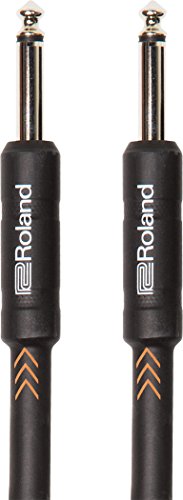
Roland RIC-B10 Instrument Cables
Why We Love It

Roland RIC-B5A Straight to Right Angle Instrument Cable
Why We Love It

Roland Black Series Instrument Cable
Why We Love It

Roland Black Series Instrument Cables
Why We Love It

Roland Black Series Instrument Cable
Why We Love It
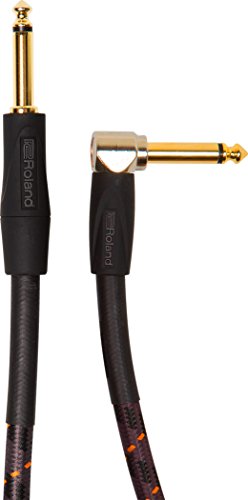
Roland Gold Series Instrument Cable
Why We Love It

Roland Black Series Instrument Cable
Why We Love It

Roland Gold Series Instrument Cable
Why We Love It

MOSWAG 10 Ft/3m Right Angle Instrument Cable
Why We Love It
Quick Pick
10 Best Roland Instrument Cables Of 2026
Quick Pick
ROLAND Black Series Instrument Cable Black, RIC-B10A, Length: 10 ft/3 m
Roland RIC-B10 Instrument Cables
Roland RIC-B5A Straight to Right Angle Instrument Cable - 5 Foot
Roland Black Series Instrument Cable, Straight/Straight 1/4-Inch Jack, 3-Feet
Roland Black Series Instrument Cables, RIC-B3AA, Black, Length: 3 ft/1 m
Roland Black Series Instrument Cable, Angled/Straight 1/4" Jack - Ric-B20A, Length: 20Ft / 6M
Roland Gold Series Instrument Cable, Angled/Straight 1/4-Inch Jack, 5-Feet
Roland Black Series Instrument Cable, Angled/Straight 1/4-Inch Jack, 5-Feet
Roland Gold Series Instrument Cable, Straight/Straight 1/4-Inch Jack, 5-Feet
MOSWAG 10 Ft/3m Right Angle Instrument Cable, 1/4 Inch TS Electric Guitar & Bass Amp Cord | TS Port Guitar Cable, 24k Gold Plated Connectors, Nylon-Braided, Black, For Electric Bass, Guitar, Amplifier Mandolin
Buying Guide: Roland Instrument Cables
📋 Table of Contents
1What cable length is best for my setup?
Choose 3-5 meters for most stage or studio setups to allow flexibility without excess slack. Shorter cables (1-2m) suit tight spaces, while longer cables (6-10m) can cause signal loss unless high-quality shielded cables are used.
2Should I buy balanced or unbalanced cables?
Balanced cables (XLR or TRS) reduce noise over long distances and are ideal for microphones and professional gear. Unbalanced cables (TS) work fine for short runs in low-noise environments, like connecting a guitar to an amp.
3What connector types do I need for my instruments?
TS (1/4”) is standard for guitars and line-level devices, while XLR is for microphones. TRS (1/4” or 1/8”) handles balanced signals and stereo connections. Check your gear’s inputs and outputs to match the right type.
4Does cable thickness affect sound quality?
Thicker cables (heavier gauge) offer better shielding and durability but are stiffer. Thinner cables are more flexible but may be more fragile. For most users, a medium gauge (20-22 AWG) balances sound quality and flexibility well.
5Are gold-plated connectors worth the extra cost?
Gold plating prevents corrosion and ensures a stable connection, especially in humid climates or frequent use. For casual use, standard nickel connectors are fine, but gold is a smart choice for long-term reliability and consistent signal transfer.
How we choose
Our editors are people who genuinely love testing and writing about products. We compare each product's real-world usability and strengths, then distill what matters most into our own "Why We Love It" points — so you get an honest, at-a-glance sense of what counts before you buy.