10 Best Roland Digital Pianos Of 2026
Roland Digital Pianos — Reviews, Recommendations & Updated Buying Guide November 2026


Roland Digital Piano RP-30
Why We Love It


Roland RP 107 Digital Piano Compact and Affordable Home
Why We Love It

Roland Rp701 88-Key Digital Piano With Stand And Pedal
Why We Love It

Roland RP701-DR DIGITAL PIANO Dark Rosewood
Why We Love It

Roland FP-60x WHITE DIGITAL PIANO
Why We Love It

ROLAND E-X10 Keyboard
Why We Love It

Roland FP-90X, Flagship Portable 88-Note Digital Piano
Why We Love It

Roland RD-08 Stage Piano
Why We Love It

M-AUDIO SP-2 Universal Sustain Pedal
Why We Love It
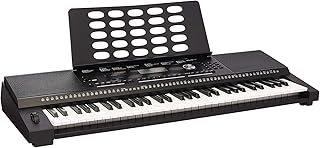
Roland E-x20 Arranger keyboard
Why We Love It
Quick Pick
10 Best Roland Digital Pianos Of 2026
Quick Pick
Roland Digital Piano RP-30
Roland RP 107 Digital Piano Compact and Affordable Home Piano with Traditional Upright Styling Perfect for Beginners
Roland Rp701 88-Key Digital Piano With Stand And Pedal (Charcoal Black)
Roland RP701-DR DIGITAL PIANO Dark Rosewood
Roland FP-60x WHITE DIGITAL PIANO
ROLAND E-X10 Keyboard | 61-Note Piano Ideal for Beginners & Lessons | 600+ Tones | Stereo Speaker System | 140 Onboard Songs | MIDI Control via USB Port | Mic & Aux Input | Headphone Jack | Over 600 Sounds | Stereo Speaker System | Built-in 140 Songs | USB MIDI Control
Roland FP-90X | Flagship Portable 88-Note Digital Piano | Immersive & Powerful 4 Speaker System | Distinctive Acoustic Tones & Deep Sound Shaping | Bluetooth & MIDI Connectivity | White
Roland RD-08 Stage Piano | Authentic RD Sound & Playability | Streamlined Design | 88-Note Weighted-Action PHA-4 Keyboard | Expandable Features | 3000+ Onboard Sounds | Ideal for Professional Gigging
M-AUDIO SP-2 Universal Sustain Pedal | Classic Piano-Style Pedal, Universal Compatibility with MIDI Keyboards, Pianos, and Synthesizers
Roland E-x20 Arranger keyboard
Buying Guide: Roland Digital Pianos
📋 Table of Contents
1How many keys should a digital piano have for serious practice?
A full 88-key weighted keyboard is essential for authentic piano feel and dynamic control. 76-key models work for casual use but lack the range and realism needed for serious playing or learning classical pieces.
2What's the difference between graded and even hammer action?
Graded hammer action mimics acoustic pianos by making higher keys lighter and lower keys heavier, improving playability. Even action offers the same resistance across all keys and is more affordable, but less realistic for advanced players.
3How important is sound quality and speaker power?
Look for at least 10W per speaker for clear, room-filling sound. Higher wattage and built-in reverb/tone settings enhance realism, but for studio use, external speakers or headphones are often better for sound isolation and quality.
4What are the benefits of a digital piano with Bluetooth or app connectivity?
Bluetooth allows wireless connection to apps, metronomes, or backing tracks, making practice more interactive. It also lets you record and review your playing, which is especially helpful for self-taught musicians or remote lessons.
5Are digital pianos with built-in lesson features worth it?
Basic lesson modes with scales and exercises can be helpful for beginners, but they’re often limited. For structured learning, a model with a lesson app or compatibility with music software offers more flexibility and long-term value.
How we choose
Our editors are people who genuinely love testing and writing about products. We compare each product's real-world usability and strengths, then distill what matters most into our own "Why We Love It" points — so you get an honest, at-a-glance sense of what counts before you buy.