10 Best Rockville Powered Mixers Of 2026
Rockville Powered Mixers — Reviews, Recommendations & Updated Buying Guide November 2026


Rockville RPM47 1800W Powered 5 Channel Mixer/Amplifier
Why We Love It


Rockville RPM48S 4-Channel Stereo Powered Mixer
Why We Love It
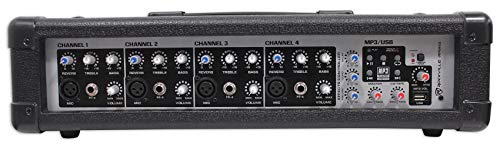
Rockville RPM45 Powered 4-Channel Mixer Amplifier
Why We Love It

Rockville RockMix 2BT 2-Channel USB Interface Mixer with
Why We Love It

Behringer Europower PMP4000 Powered Mixer - 16 Channels
Why We Love It

Rockville RXS20 Portable Mixer Stand 300 lbs Capacity
Why We Love It

KASTWAVE 4 Channel Mixer for Streaming
Why We Love It
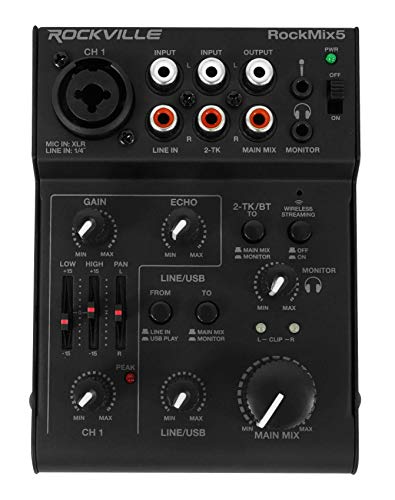
Rockville RockMix 5 Channel Pro Mixer w/USB Interface
Why We Love It

Rockville ROCKMIX 8 Channel USB Mixer with Interface
Why We Love It

Behringer Xenyx X1003B Premium Analog Mixer with 5 Mic
Why We Love It
Quick Pick
10 Best Rockville Powered Mixers Of 2026
Quick Pick
Rockville RPM47 1800W Powered 5 Channel Mixer/Amplifier, Bluetooth, USB
Rockville RPM48S 4-Channel Stereo Powered Mixer, Bluetooth
Rockville RPM45 Powered 4-Channel Mixer Amplifier, 1800W, USB, EQ
Rockville RockMix 2BT 2-Channel USB Interface Mixer with Bluetooth, Podcast
Behringer Europower PMP4000 Powered Mixer - 16 Channels, 1600 Watts with Multi-FX Processor and FBQ Feedback Detection System
Rockville RXS20 Portable Mixer Stand 300 lbs Capacity, Adjustable Height 24-36in, Adjustable Width 13.8-23.6in, Collapsible, Padded Platform, Perfect for DJs and Musicians
KASTWAVE 4 Channel Mixer for Streaming, Professional Mini 4 Stereo Audio Mixer, Low Noise DJ Mixer, 48V Phantom Power, USB Audio Interface for Podcasting, Live Performance, Recording, DJ, PC
Rockville RockMix 5 Channel Pro Mixer w/USB Interface, Bluetooth, Echo, EQ
Rockville ROCKMIX 8 Channel USB Mixer with Interface, Compressor, Bluetooth
Behringer Xenyx X1003B Premium Analog Mixer with 5 Mic Preamps and Optional Battery Operation
Buying Guide: Rockville Powered Mixers
📋 Table of Contents
1What motor power is best for heavy-duty mixing tasks?
Look for at least 500W for dense batters, doughs, or large batches. For frequent use with tough ingredients, 700W or more ensures the motor won’t overheat or stall, while lower wattage models may struggle with thick mixtures.
2How do planetary vs. fixed-head mixers differ in performance?
Planetary mixers have a rotating bowl and moving head, ensuring even mixing and scraping the bowl’s sides — ideal for complex bakes. Fixed-head models are better for simple tasks like whipping cream or light doughs, but lack full coverage for dense mixtures.
3What bowl size do I need for regular home use?
A 4.5- to 6-quart bowl suits most home bakers for cookies, bread, and cake batter. If you often mix for large groups or bake in bulk, consider a 7- to 8-quart model to avoid overfilling and motor strain.
4Are attachments like pasta makers or meat grinders worth it?
Attachments expand a mixer’s use but add cost and storage space. Stick to core attachments like dough hooks, whisks, and beaters unless you plan to use extras weekly — they’re rarely used and may not justify the investment for casual bakers.
5How important is a variable speed control?
Variable speed is essential for delicate tasks like whipping egg whites or heavy work like kneading bread. At least 6-8 speed settings gives you control over texture and prevents overmixing or undermixing common with fixed-speed models.
How we choose
Our editors are people who genuinely love testing and writing about products. We compare each product's real-world usability and strengths, then distill what matters most into our own "Why We Love It" points — so you get an honest, at-a-glance sense of what counts before you buy.