10 Best Rigging Of 2026
Rigging — Reviews, Recommendations & Updated Buying Guide November 2026


Spring Knoll Press The Rigging Math Made Simple Workbook
Why We Love It


26kN Climbing Pulley Single Sheave
Why We Love It

NALACAL Marine Grade Stainless Steel Snap Shackle
Why We Love It

Rigging Handbook 5th Edition
Why We Love It

Southern Illinois University Press Stage Rigging Handbook
Why We Love It

Seaforth Publishing Rigging: Period Fore-And-Aft Craft
Why We Love It

Dirty Rigger DTY-MULTITOOL Black Multitool With 14-In-1
Why We Love It

Weldas® STEERSOtuff® top grain cowhide general purpose
Why We Love It

AK Interactive AK9137 Bobine de Gréement Élastique Mince
Why We Love It
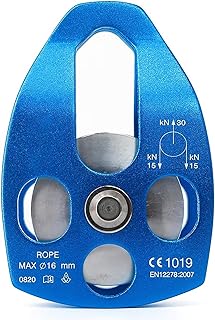
30kN Climbing Pulley Single Sheave
Why We Love It
Quick Pick
10 Best Rigging Of 2026
Quick Pick
Spring Knoll Press The Rigging Math Made Simple Workbook
26kN Climbing Pulley Single Sheave, Heavy Duty Aluminum Alloy Micro Pulley for Hauling, Rescue, Rigging, Outdoor Zipline, Tree Climbing
NALACAL Marine Grade Stainless Steel Snap Shackle, Quick Release Sailing Halyard Snap Hook Durable Swivel Jaw Clevis Clevis Pin Snap Shackle Quick Release Clevis for Sailing Rigging Shackles
Rigging Handbook 5th Edition
Southern Illinois University Press Stage Rigging Handbook
Seaforth Publishing Rigging: Period Fore-And-Aft Craft
Dirty Rigger DTY-MULTITOOL Black Multitool With 14-In-1 Separate Rigger Tools Including Wing Nut Spanner
Weldas® STEERSOtuff® top grain cowhide general purpose welding, rigging and material handling gloves, 10-2750, Golden Yellow
AK Interactive AK9137 Bobine de Gréement Élastique Mince (convient Pour 1:35/1:32/1:48)
30kN Climbing Pulley Single Sheave, Heavy Duty Aluminum Alloy Micro Pulley for Hauling, Rescue, Rigging, Outdoor Zipline, Tree Climbing
Buying Guide: Rigging
📋 Table of Contents
1What's the difference between dynamic and static rigging rope?
Dynamic rope stretches under load and absorbs shock, making it ideal for climbing and safety applications where falls happen. Static rope has minimal stretch and is better for hauling, anchoring, and situations where you need direct load transfer without bounce.
2How do I know what working load limit I need for my rigging equipment?
Check the maximum weight you'll be lifting or securing, then choose rigging with a working load limit at least 4-5 times that weight for safety margin. Always account for dynamic forces, sudden jerks, and environmental factors like wind or uneven weight distribution.
3What should I inspect before using rigging equipment?
Look for visible damage like cuts, fraying, discoloration, or worn areas on ropes and straps, and check that all hardware moves freely without rust or bending. Test any mechanical components to ensure they engage and release properly, and verify certification tags are current if applicable.
4Is synthetic rope better than natural fiber for rigging?
Synthetic rope (nylon, polyester, polypropylene) is stronger, more durable, resists rot and UV better, and costs less than natural fiber. Natural fiber is rarely used now except for specialized applications where its traditional grip or appearance matters, as it weakens when wet and degrades faster.
5When is it worth buying heavy-duty rigging versus standard equipment?
Heavy-duty rigging pays off if you're working regularly with high loads, harsh environments, or safety-critical applications where failure isn't an option. For occasional light lifting or hobby use, standard equipment is sufficient and more economical.
How we choose
Our editors are people who genuinely love testing and writing about products. We compare each product's real-world usability and strengths, then distill what matters most into our own "Why We Love It" points — so you get an honest, at-a-glance sense of what counts before you buy.