10 Best Rice Milling Machines Of 2026
Rice Milling Machines — Reviews, Recommendations & Updated Buying Guide November 2026


ZCBYBT Inspection of Rice Milling Machine Whitening Machine
Why We Love It


Automatic Rice Bran Separator
Why We Love It

Automatic Rice Bran Separator
Why We Love It

Electric Mill Wet Dry Cereals Grinder 220V 3000W
Why We Love It

Home Rice Milling Machine for Small Farms
Why We Love It

Wheat Cereals Sheller
Why We Love It

Portable Rice Milling Machine
Why We Love It
300W Portable Wheat Peeling Machine
Why We Love It
Quick Pick
10 Best Rice Milling Machines Of 2026
Quick Pick
ZCBYBT Inspection of Rice Milling Machine Whitening Machine for Millet, Millet and Wheat Quality Measurement 220V
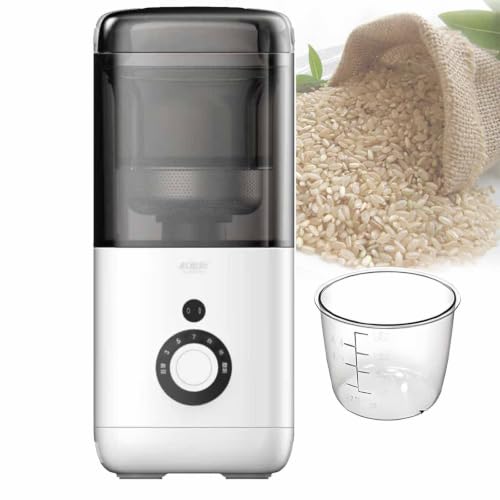
Automatic Rice Bran Separator, 320ml Household Rice Milling Hulling Machine, with Measuring Cup, 7 Gears Milling Accuracy, 3 Mins to Produce Rice for Home
Automatic Rice Bran Separator, 200W Automatic Wheat Cereals Peeling Sheller with 7 Gears Milling Accuracy, 3 Mins to Produce Rice, Electric Rice Milling Hulling Machine for Home
Electric Mill Wet Dry Cereals Grinder 220V 3000W
Home Rice Milling Machine for Small Farms, Safety Lock, 30kg/h, 500W
Wheat Cereals Sheller, Household Electric Rice Milling Machine, 30kg/h
Portable Rice Milling Machine, Automatic Rice Dehuller Function, 30kg/h
300W Portable Wheat Peeling Machine,Electric Rice Milling Machine
Buying Guide: Rice Milling Machines
📋 Table of Contents
1What milling capacity do I need for my operation?
For small-scale use, look for machines with a capacity of 50-150 kg/h. Medium to large farms or commercial operations should consider 300-1000 kg/h or more. Choose based on daily rice volume and processing frequency to avoid overworking the machine.
2Should I choose a rubber roll or disc mill for better quality?
Rubber roll mills are gentler and better for preserving bran, ideal for brown rice production. Disc mills remove more bran and polish the grain, making them suitable for white rice. Choose based on your target product and market demand.
3What motor power is sufficient for a rice milling machine?
A 3-5 HP motor is standard for small to mid-sized machines, while larger industrial models may require 7-10 HP or more. Higher power ensures smoother operation and better performance with harder grains like basmati or japonica.
4Are automatic or semi-automatic models worth the extra cost?
Automatic machines reduce labor and improve consistency, making them ideal for commercial use. Semi-automatic models are more affordable and suitable for small farms or part-time operations. Consider your budget and processing volume before deciding.
5What maintenance should I expect to keep the machine running smoothly?
Daily cleaning, regular lubrication of moving parts, and periodic blade sharpening are essential. Replace rubber rolls or discs every 6-12 months depending on usage. Proper maintenance extends lifespan and ensures consistent milling quality.
How we choose
Our editors are people who genuinely love testing and writing about products. We compare each product's real-world usability and strengths, then distill what matters most into our own "Why We Love It" points — so you get an honest, at-a-glance sense of what counts before you buy.