10 Best Reverse Osmosis Water Purifier Of 2026
Reverse Osmosis Water Purifier — Reviews, Recommendations & Updated Buying Guide November 2026

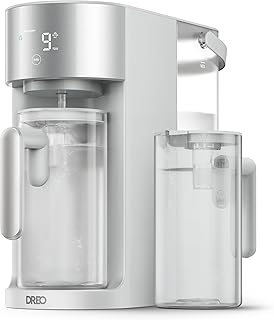
DREO Reverse Osmosis Water Filter Countertop
Why We Love It


Aquatic Life RO Buddie 3-Stage Reverse Osmosis Water
Why We Love It

Geekpure 5 Stage Reverse Osmosis Drinking Water Filter
Why We Love It

Dreo Reverse Osmosis Water Filter Countertop Water Pure
Why We Love It

PHILIPS Countertop Reverse Osmosis Water Filter Dispenser
Why We Love It

PHILIPS Countertop Reverse Osmosis Water Filter
Why We Love It

Aquatic Life Reverse Osmosis Water Filtration Unit
Why We Love It

AUT4030 Philips Reverse Osmosis Under-the-Sink Water
Why We Love It

DREO Reverse Osmosis Water Filter Countertop
Why We Love It

PHILIPS ADD544 5 Stages 5-in-1 Reverse Osmosis Water Filter
Why We Love It
Quick Pick
10 Best Reverse Osmosis Water Purifier Of 2026
Quick Pick
DREO Reverse Osmosis Water Filter Countertop, RO Filtration System, 3:1 Pure to Drain, TDS & Filter Life & 2 Autofill Pitchers, Install-Free, Self-Cleaning Water Purifier, RO Water Filter 113 5L
Aquatic Life RO Buddie 3-Stage Reverse Osmosis Water Filtration System, RO Unit 50 GPD
Geekpure 5 Stage Reverse Osmosis Drinking Water Filter System 75 GPD - with Booster Pump | Under Sink Water Purifier with Booster Pump and Extra 4 Filters
Dreo Reverse Osmosis Water Filter Countertop Water Pure Pitcher, Potable Pitcher for WF511 Water Purifier, 1.5L
PHILIPS Countertop Reverse Osmosis Water Filter Dispenser, 5 stages RO water filtration System with Aquaporin Technology, 3:1 Pure to Drain, Reduce PFAS, Portable Water Purifier, NSF/ANSI Certified
PHILIPS Countertop Reverse Osmosis Water Filter, No Installation | 6L large capacity RO system for family use. 6-stage mineralization filter with Aquaporin Tech. Real-time TDS
Aquatic Life Reverse Osmosis Water Filtration Unit, 4 Stage Twist-in 75 GPD, Deionization Water Filter
AUT4030 Philips Reverse Osmosis Under-the-Sink Water Filtration System, White
DREO Reverse Osmosis Water Filter Countertop, RO Filtration System, 3:1 Pure to Drain, TDS & Filter Life & Autofill Pitcher, Installation-Free, Self-Cleaning Water Purifier, RO Water Filter 112 3L
PHILIPS ADD544 5 Stages 5-in-1 Reverse Osmosis Water Filter with Aquaporin Technology for PHILIPS ADD5930 Countertop RO Dispenser, 1 Year Lifetime, 3:1 Pure to Drain, Reduce PFAS, NSF/ANSI Certified
Buying Guide: Reverse Osmosis Water Purifier
📋 Table of Contents
1What water pressure range is ideal for a reverse osmosis system to function efficiently?
Most RO systems work best with incoming water pressure between 40-80 psi. Too low and the system struggles to push water through the membrane; too high can damage the membrane and reduce its lifespan. A pressure gauge and booster pump may be needed in low-pressure areas.
2How many stages of filtration should a reverse osmosis water purifier have?
A minimum of 4 stages is standard: sediment, carbon, RO membrane, and post-filtration. Some systems add a fifth stage for remineralization. More stages can improve contaminant removal but may also increase cost and water waste from the drain.
3What is the typical water waste ratio for reverse osmosis systems, and how can it be reduced?
RO systems typically waste 3-5 gallons of water for every gallon purified. Look for systems with a permeate flow rate of at least 50 GPD (gallons per day) and a waste-to-purified ratio of 3:1 or better. Some models include a water-saving feature or a separate drain line for recycling waste water.
4What membrane pore size should I look for in a reverse osmosis water purifier?
The RO membrane should have a pore size of 0.0001 microns or smaller to effectively remove dissolved salts, heavy metals, and most contaminants. A 50-100 GPD membrane is suitable for most households, while higher flow rates are needed for larger families or commercial use.
5Is a storage tank necessary for a reverse osmosis system, and what size should it be?
A storage tank is recommended to hold purified water and maintain pressure. A 3.8- to 5.3-liter tank is ideal for most homes, providing enough water for daily use without frequent purging. Larger tanks reduce the frequency of the system cycling on and off, improving efficiency and longevity.
How we choose
Our editors are people who genuinely love testing and writing about products. We compare each product's real-world usability and strengths, then distill what matters most into our own "Why We Love It" points — so you get an honest, at-a-glance sense of what counts before you buy.